Origin
Viking / Norse
Norse seafarers from Scandinavia raided and settled from North America to the Caspian Sea. Viking weapons — the broad axe, round shield, spear, and pattern-welded sword — are among the most recognized in history. Viking metalworking, particularly the ulfberht sword, exceeded contemporary European standards.
Overview
The Vikings (roughly 793–1066 CE) were Scandinavian seafarers from Norway, Denmark, and Sweden who raided, traded, and settled across Europe, the North Atlantic, and the edges of Asia. Their weapons were among the finest of the early medieval world — practical, well-made, and often richly decorated. Viking weapons were prestige objects as much as tools of war, passed down as heirlooms and given names.
The Viking Axe
The axe is the iconic Norse weapon, particularly associated with Danish warriors. Two main forms:
- Bearded axe (skeggöx) — A one-handed axe with a distinctive downward-curving blade; versatile for hooking shields and opponents; could be used with a shield
- Dane axe (breiðöx / broadaxe) — A large two-handed axe with a dramatically flared thin blade up to 45 cm wide; a devastating weapon capable of cutting through shield and armor; used with both hands and no shield
Viking Swords
Viking swords were single-handed, double-edged weapons approximately 75–90 cm long with a broad blade and wide fuller (groove that reduces weight without reducing strength).
- Pattern welding — Many Viking swords were made by twisting and folding iron rods of varying carbon content, then welding them together; this produced a visually distinctive wavy pattern in the blade and a functional combination of hard edges and tough core
- Ulfberht swords — Marked +VLFBERHT+; crucible steel with carbon content comparable to modern steel; produced by an unknown process; far superior to contemporary bloomery iron swords; possibly obtained through Volga trade routes to Central Asia
Spear
The most common Viking weapon — cheaper than a sword and effective in formation. Two types:
- Thrusting spear — Long, narrow head for penetrating armor
- Cutting spear — Broader, more leaf-shaped head for cutting
Shield
The standard Viking shield was round, approximately 80–95 cm diameter, of planked wood with an iron central boss protecting the hand. Shields were often painted; the edge was sometimes bound with leather or rawhide.
Helmet and Armor
- Iron spangenhelm — The standard Viking helmet; a framework of iron strips with infill plates; a nasal bar protected the nose; the horned helmet is a 19th-century myth
- Chainmail byrnie — A mail shirt; expensive and prestigious; not all warriors could afford it; a padded gambeson (aketon) was worn underneath
Longship as Weapons Platform
The longship itself was a weapon — fast, shallow-draft, able to beach anywhere and go far up rivers. Viking military success depended on the strategic mobility their ships provided.
This article is a stub.
Battles & Operations
-
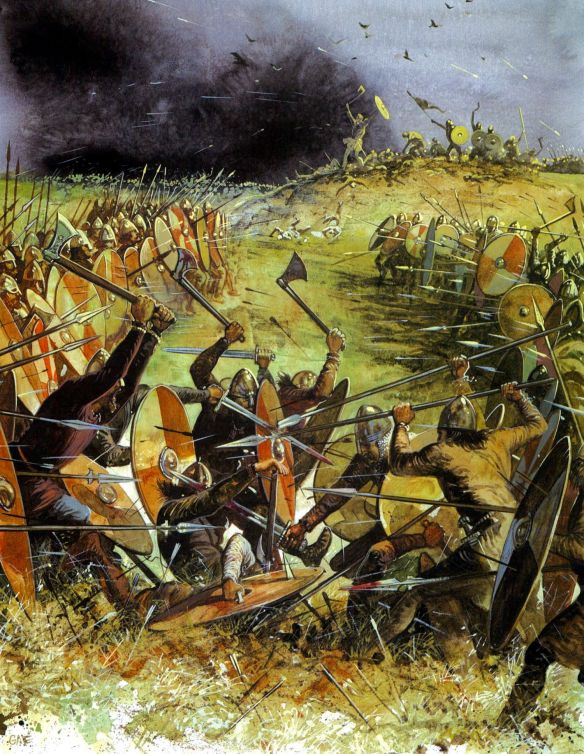
Battle of Maldon (10 August 991)
The Battle of Maldon, fought in August 991 on the Blackwater estuary near Maldon in Essex, pitted Byrhtnoth, ealdorman of Essex, and the… Continued…
-
The Battle of Stamford Bridge (25 September 1066)
The Battle of Stamford Bridge was fought on 25 September 1066 near York between the English army of King Harold Godwinson and a Norwegian… Continued…
Weapons
-
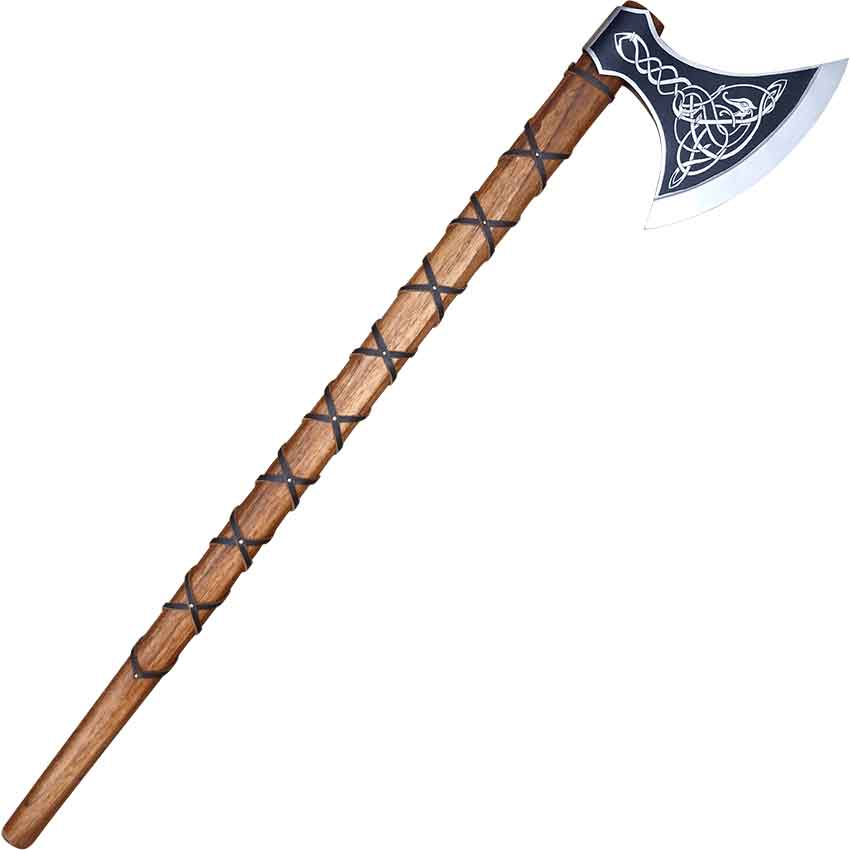
Dane Axe
The Dane axe is the great two-handed axe of the Viking Age and its aftermath: a thin, broad, crescent-edged head on a haft about a meter… Continued…
-
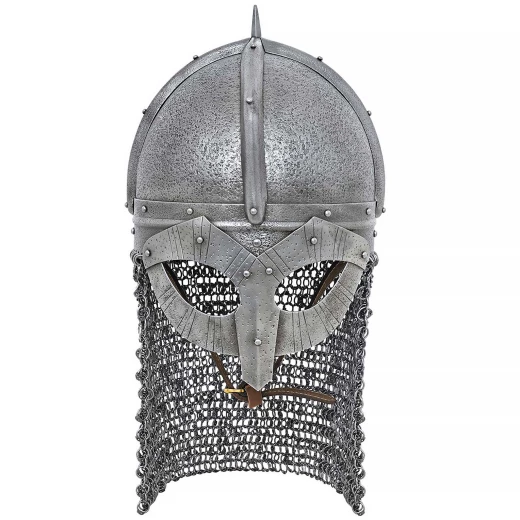
Gjermundbu Helmet
The Gjermundbu helmet is the only nearly complete helmet known from the Viking Age. It was found in 1943 in a tenth-century burial mound on… Continued…
-
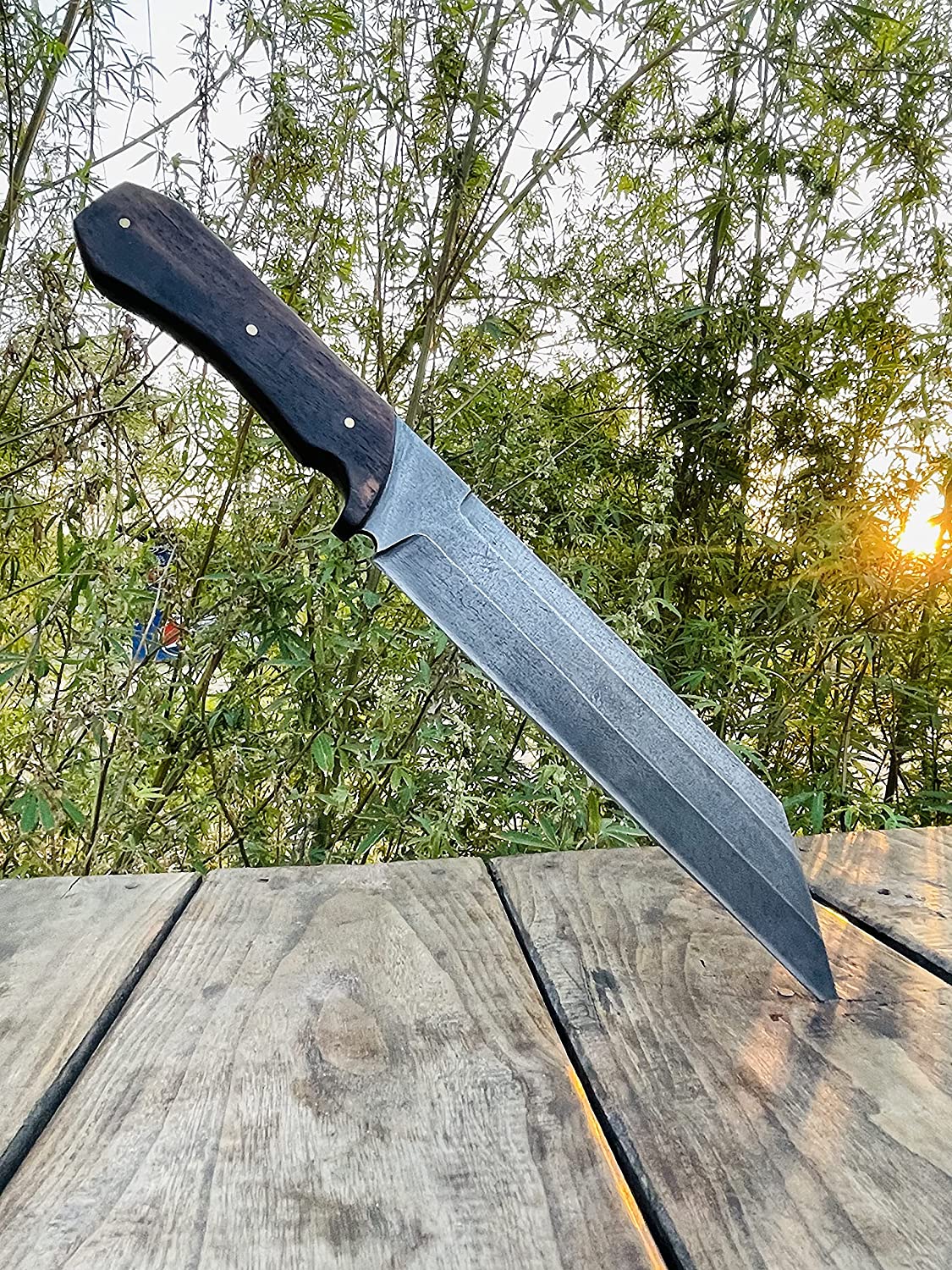
Seax
The seax is the single-edged knife of the early medieval Germanic peoples, carried from the fifth to the eleventh century by Franks… Continued…
-
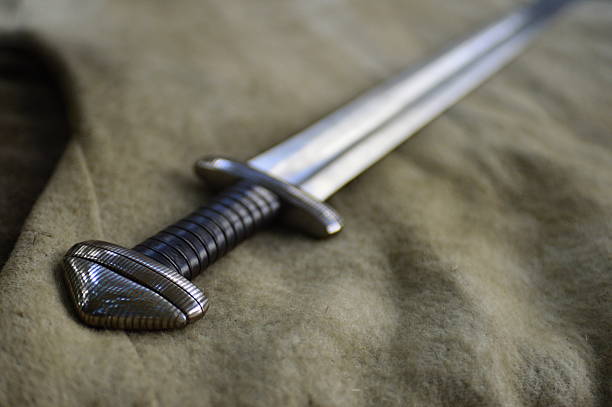
Ulfberht Sword
The Ulfberht swords are a group of about 170 early medieval sword blades inscribed with the name +VLFBERH+T, made between the ninth and… Continued…
-
Viking Battle Axe
The battle axe was the most distinctively Norse weapon of the Viking Age. From the one-handed bearded axe that doubled as a farm tool to… Continued…
-
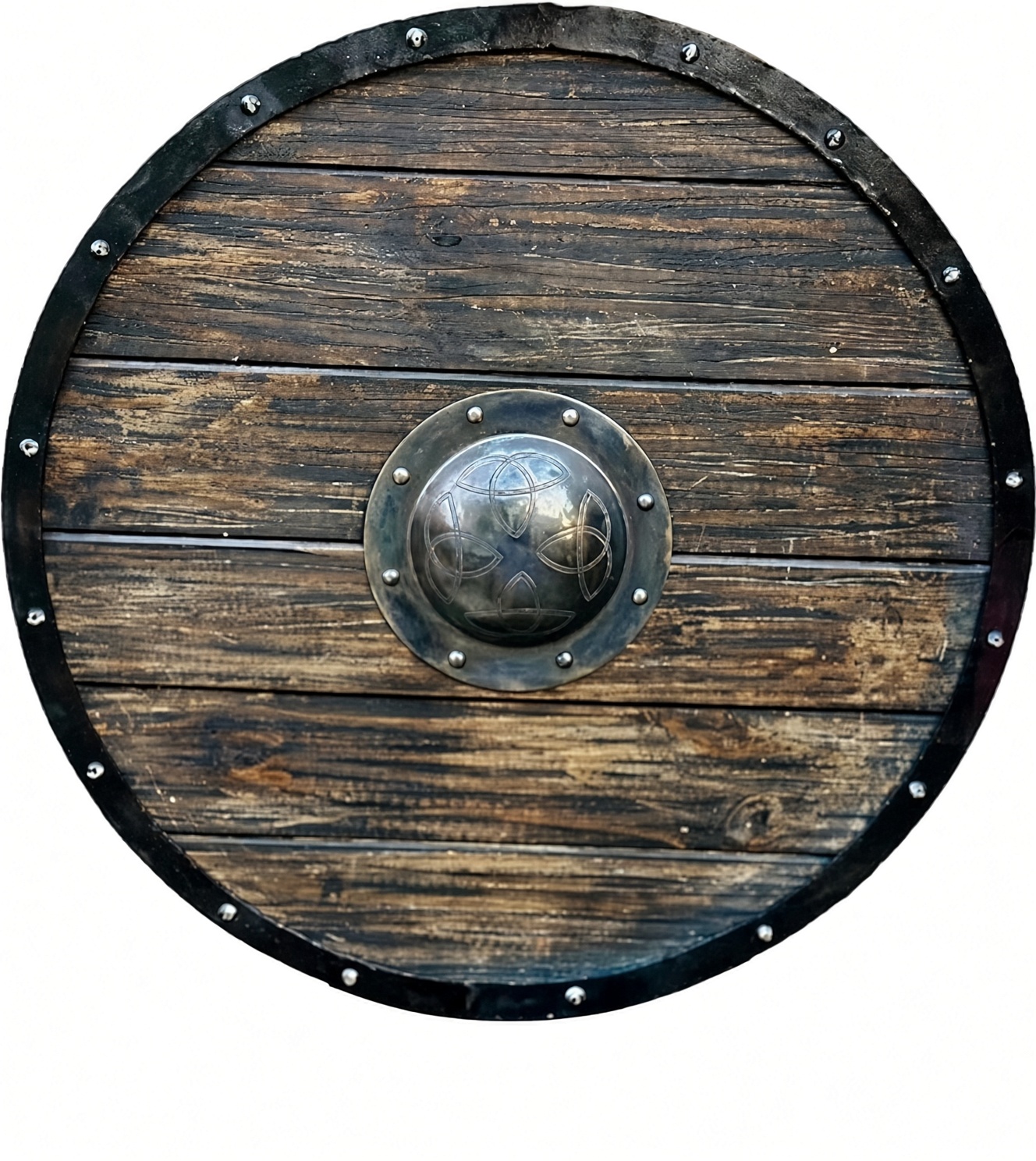
Viking Round Shield
The round shield was the main defense of the Viking warrior: a disc of wooden boards, usually about 80 to 95 centimeters across, with an… Continued…
-
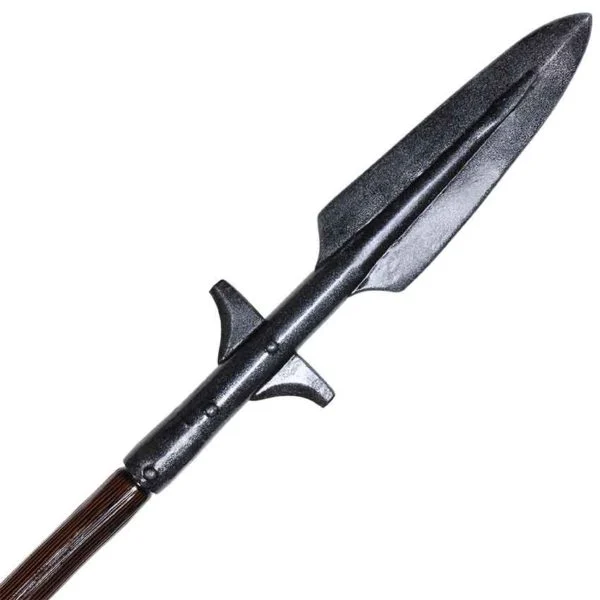
Viking Spear
The spear was the most common weapon of the Viking Age, carried by farmers and kings alike. It had an iron head, socketed onto an ash shaft… Continued…