A serious reference for the weapons that shaped history — and a marketplace for the collectors who keep it.
Read the history. Then own it.
For sale now
-
 WarPast Direct
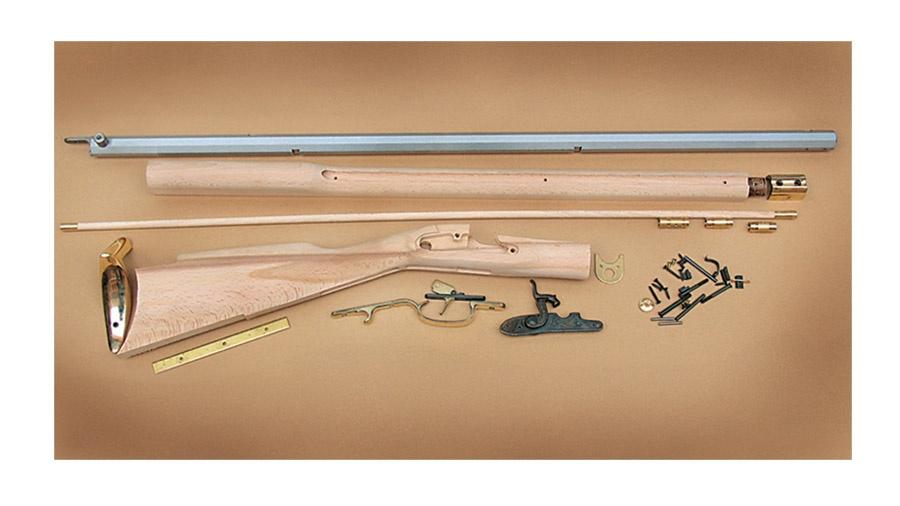
Traditions Kentucky Rifle Kit (.50 Cal Black Powder, Build-It-Yourself)
Read its history: Kentucky Long Rifle
-
 WarPast Direct
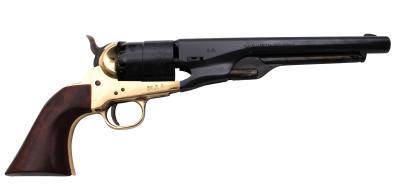
Traditions 1860 Army Black Powder Revolver (.44 Cal)
Read its history: Colt 1860 Army
-
 WarPast Direct
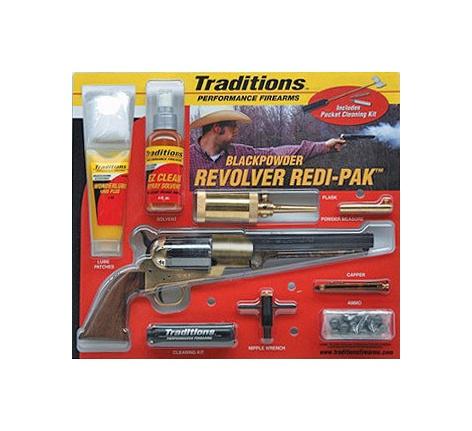
Traditions 1858 Army Black Powder Revolver (.44 Cal)
Read its history: Remington 1858 New Model Army
New in the wiki
-
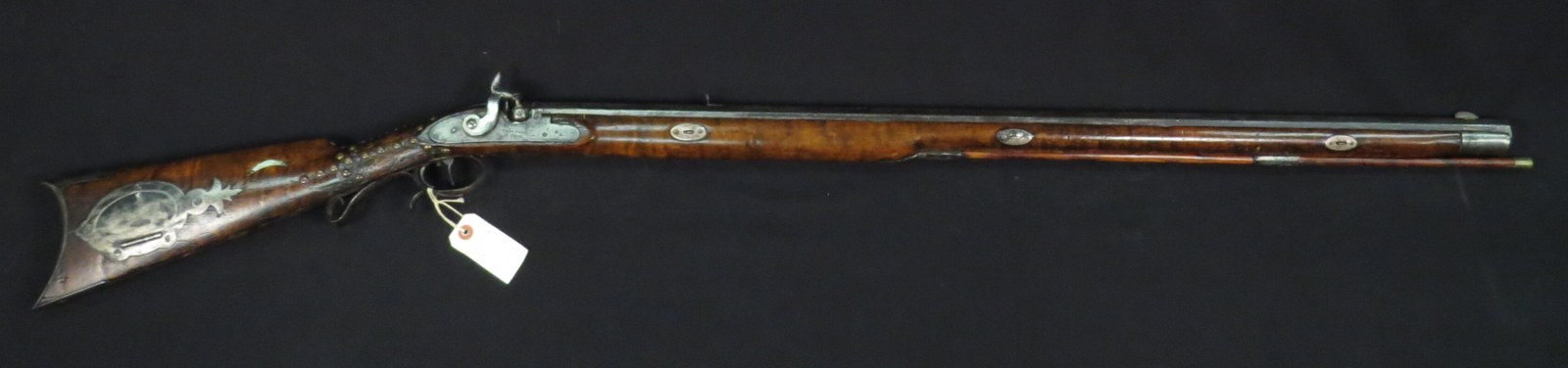
Hawken Rifle
The Hawken rifle was the heavy half-stocked 'plains rifle' made in St. Louis by the brothers Jacob and Samuel Hawken from the 1820s, and… Continued…
-
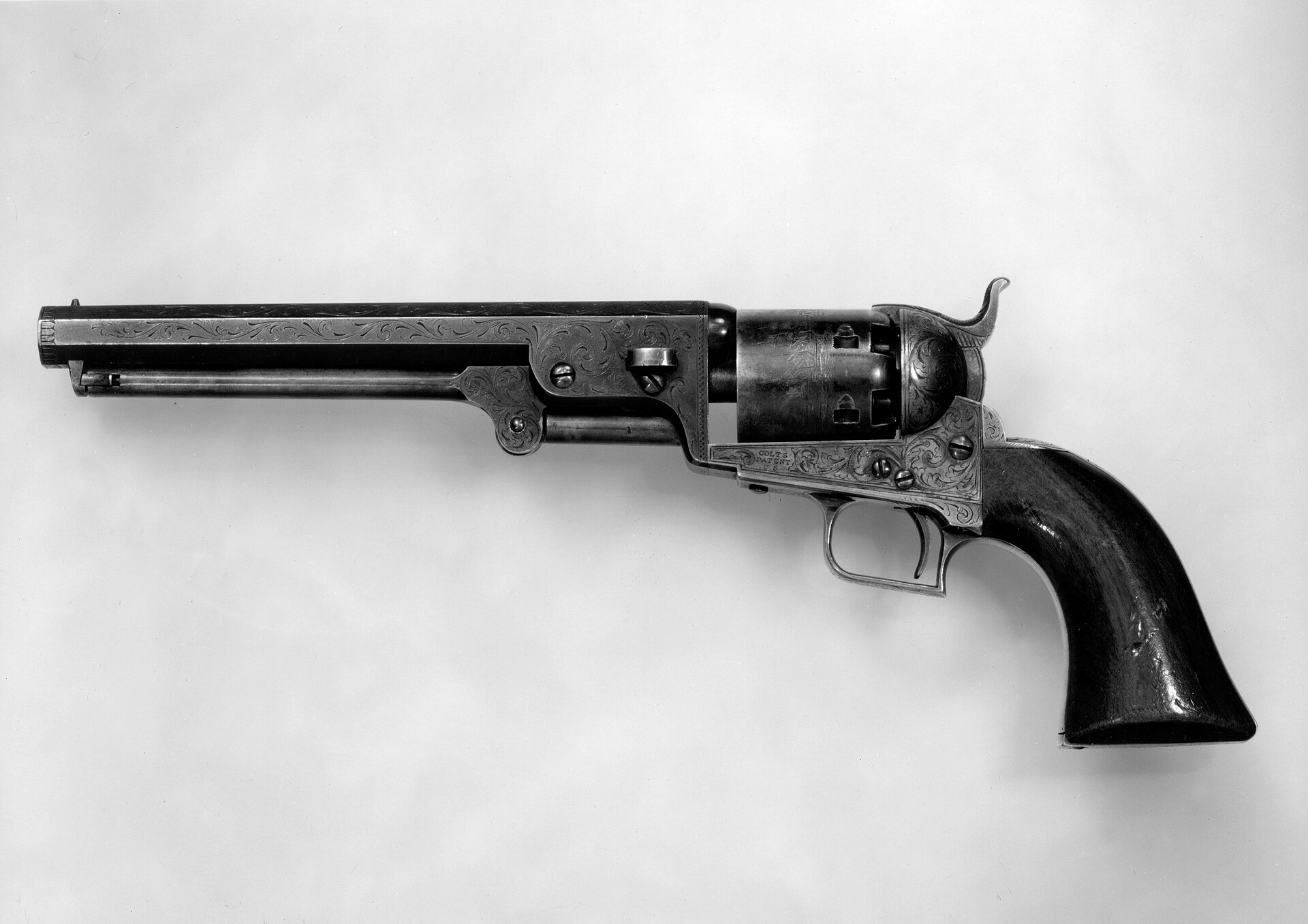
Colt 1851 Navy Revolver
The Colt 1851 Navy is the revolver that made Samuel Colt's fortune and the revolver of the American frontier and Civil War: a .36-caliber… Continued…
-
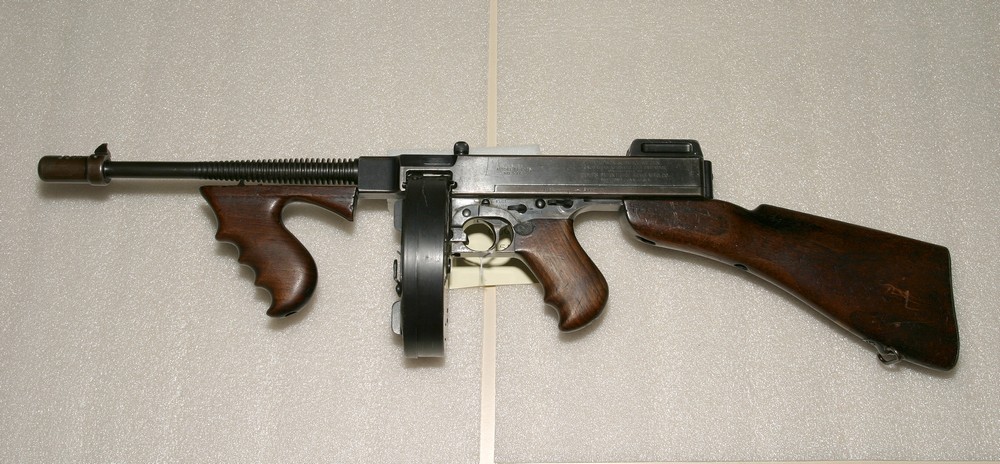
Thompson Submachine Gun
The Thompson was America's first submachine gun: a .45 ACP automatic designed as a trench broom for a war that ended before it shipped.… Continued…
-
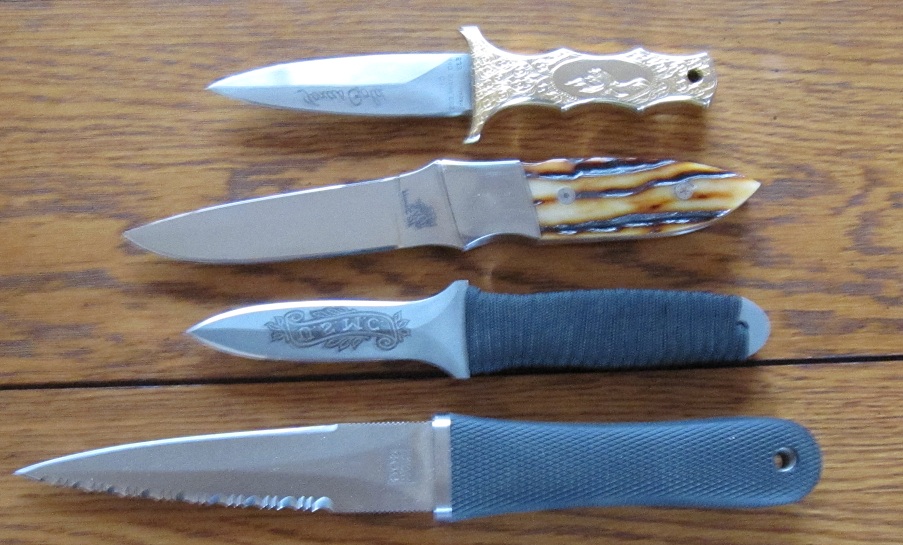
Boot Knife
A boot knife is a small, usually double-edged fighting knife made to ride hidden in a boot top or along the calf, where a hand could reach… Continued…
Our focus
History, first
WarPast is a reference before it is anything else. Each entry covers origin, design, combat use, and legacy — organized by era, type, origin, and historical context.
Read it, then own it
Every listing lives on the wiki page of the weapon it represents — originals, faithful reproductions, and consignments from fellow collectors, sold through a licensed dealer (FFL).
Built by collectors
WarPast grows through its community. Write or improve entries, earn store credit toward pieces in the shop, and help build the definitive record of historical arms.
Coming to WarPast
Firearms
Antique and modern firearms, sold by WarPast as a licensed dealer (FFL) and transferred through the FFL of your choice.
Collector consignment
List a piece from your own collection on the wiki page that tells its story. WarPast handles the checkout.
Artisans & craftsmen
Makers of faithful historical reproductions, selling their work alongside the history it recreates.