Origin
Italy
Italy's weapon heritage spans Roman gladii and pilum javelins through Renaissance-era rapier fencing schools. Italian gunsmiths in Brescia and Gardone were significant early firearms manufacturers. In WWII, Italy produced the Beretta submachine gun family that remained influential postwar.
Overview
Italy's diverse city-states and kingdoms produced rich regional weapon traditions. Milan and Brescia were major centers of armor and firearms manufacture. The Italian Renaissance produced the rapier fencing tradition and some of the most sophisticated fighting manuals ever written. And Beretta — founded in Gardone Val Trompia in 1526 — is the oldest continuously operating arms manufacturer in the world.
Medieval and Renaissance
Italian Plate Armor
Milanese armorsmiths produced the Milanese-style plate armor characterized by smooth, rounded surfaces and practical construction. Milanese armor was exported across Europe and was the main competitor to German Gothic style.
Rapier Fencing
Italian fencing masters of the Renaissance and early modern period produced the most influential fighting manuals in history:
- Filippo Vadi — De Arte Gladiatoria Dimicandi (c. 1482–1487)
- Achille Marozzo — Opera Nova (1536); comprehensive system for the sword and buckler, two-hand sword, and dagger
- Giacomo di Grassi — Ragione di adoprar sicuramente l'arme (1570); translated into English 1594
- Salvator Fabris — Lo Schermo, overo Scienza d'Arme (1606); highly influential Spanish/Italian rapier system
- Ridolfo Capoferro — Gran Simulacro (1610); definitive Italian rapier manual
Firearms Manufacturing
The Brescia and Gardone regions developed important early firearms industries. Brescian gunsmiths were exporting pistols and muskets across Europe from the 16th century.
Beretta
Fabbrica d'Armi Pietro Beretta was founded 1526 when Bartolomeo Beretta supplied arquebus barrels to the Arsenal of Venice. Key products:
- Beretta Model 1915 — WWI pistol
- Beretta Model 38 — 9mm SMG; among the finest of WWII
- Beretta 92 (M9) — 9mm; US military standard sidearm 1985–2017; still widely used
- ARX-160 — Current Italian assault rifle
This article is a stub.
Battles & Operations
-
Battle of Crécy (26 August 1346)
The Battle of Crécy, fought on 26 August 1346 in Ponthieu in northern France, was the first great English victory of the Hundred Years War.… Continued…
-
Battle of Lepanto (7 October 1571)
The Battle of Lepanto, fought on 7 October 1571 off western Greece, was the largest galley battle of the age. The fleet of the Holy League… Continued…
-
Battle of Adwa (1 March 1896)
The Battle of Adwa, fought on 1 March 1896 in the mountains of northern Ethiopia, was the decisive battle of the First Italo-Ethiopian War.… Continued…
Weapons
-
Arbalest
The arbalest was the heavy crossbow of the late Middle Ages, with a bow of steel or thick composite so powerful it had to be drawn with a… Continued…
-
Arquebus
The arquebus was the first practical infantry firearm, a matchlock long gun light enough to be fired from the shoulder or chest without a… Continued…
-
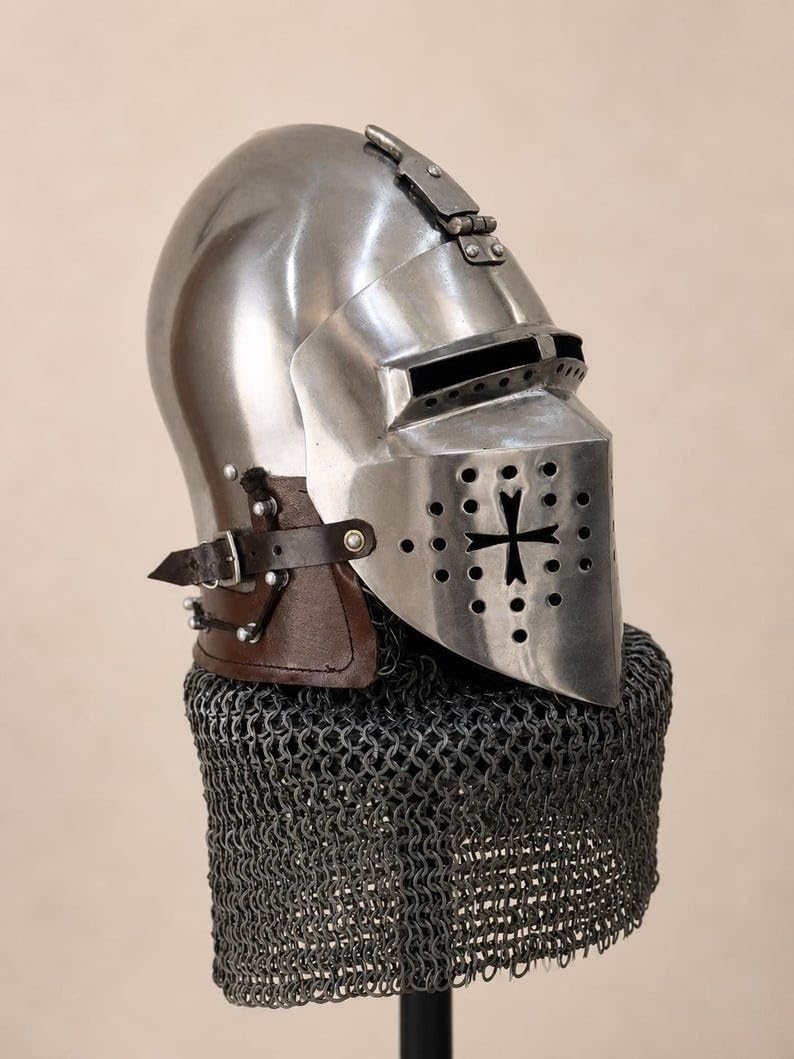
Bascinet
The bascinet was the most widely worn helmet of fourteenth-century Europe: an iron skull cap drawn up into a point, with a curtain of mail… Continued…
-
Beretta BM59 Rifle
The Beretta BM59 is the Italian answer to the same question the M14 answered in America: how to turn the M1 Garand into a select-fire… Continued…
-
Beretta M9
The Beretta M9 is the 9 mm semi-automatic pistol adopted by the United States armed forces in 1985 to replace the .45 caliber M1911A1. It… Continued…
-
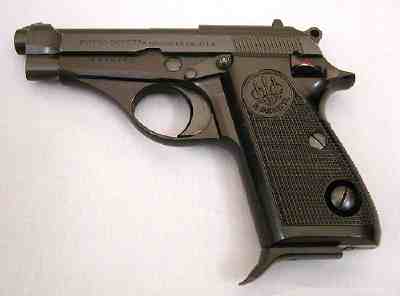
Beretta Model 70 (and Variants)
The Beretta Model 70 (also known as the Puma, among several other, less common, marketing names) and variants are a series of classic 20th… Continued…
-
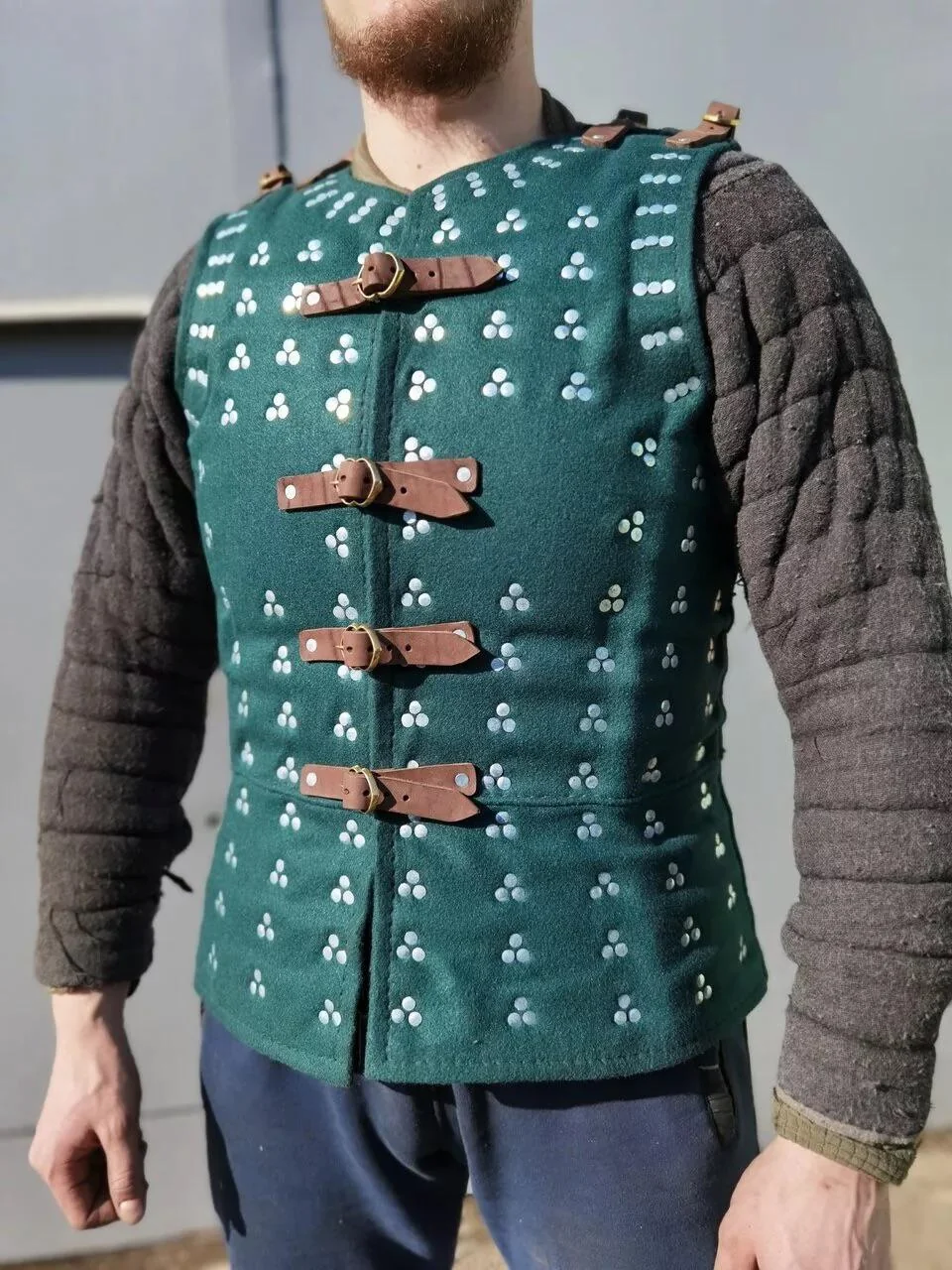
Brigandine
The brigandine was a body armor made of many small iron or steel plates riveted to the inside of a fabric or leather covering, so that only… Continued…
-
Franchi SPAS-12
The Franchi SPAS-12 is a dual-mode Italian combat shotgun produced from 1979 to 2000 that can be switched between gas-operated… Continued…
-
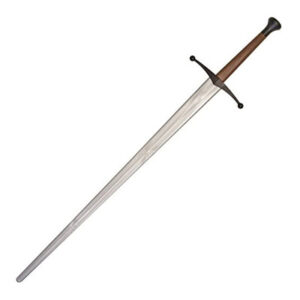
Longsword
The longsword is the two-handed knightly sword of the late Middle Ages and Renaissance: a straight, double-edged blade of roughly 33 to 43… Continued…
-
Morion Helmet
The morion is the open steel helmet with a tall comb and a brim swept up to points at front and back that armed pikemen and arquebusiers… Continued…
-
Swept-Hilt Rapier
The swept-hilt rapier was the civilian sword of the late Renaissance: a long, narrow thrusting blade defended by a basket of gracefully… Continued…
-
Venetian Galleass
The galleass was a large, heavily gunned warship of the sixteenth-century Mediterranean, built by Venice from its great merchant galleys.… Continued…
-
Vetterli Rifle
The Vetterli rifle was the Italian army's first bolt-action rifle for metallic cartridges, adopted in 1870 and based on a design by the… Continued…