Weapon Type
Daggers & Knives
Short bladed weapons for close combat.
Edged Weapons — Subcategory
Overview
The knife — a short single or double-edged cutting and thrusting blade — is the oldest and most universal of human tools and weapons. From the first knapped flint blade of the Stone Age to the combat knife carried by every modern soldier, knives and daggers have been universal constant across all cultures, all eras, and all social classes. Where swords were expensive prestige items, knives were carried by peasant and king alike.
The distinction between a knife (utility; one cutting edge; 7–30 cm) and a dagger (weapon; often double-edged; designed for thrusting; 15–50 cm) is cultural and contextual — many blades served both functions.
Major Historical Types
Stone Age Blades
- Knapped flint/obsidian blades — The first cutting tools; edges sharper than surgical steel; brittle; universal in the Paleolithic and Neolithic
- Clovis points — Fluted projectile points also used as knives
Bronze and Iron Age Daggers
- Copper dagger — Ötzi the Iceman (c. 3300 BCE) carried a flint-bladed knife with an ash handle; copper daggers were early prestige weapons
- Bronze dirk — Double-edged thrusting dagger; precursor to the sword
- Greek xiphos — Sometimes classified as a short sword; also functioned as a dagger
- Akinakes — Persian/Scythian short sword-dagger; 35–45 cm; worn at the hip
Medieval Daggers
- Rondel dagger — Stiff, narrow blade designed to penetrate gaps in plate armor; disc guards at pommel and cross-guard
- Misericorde ("mercy dagger") — Very thin, stiff blade; pushed through visor or armor joints to finish a downed knight
- Ballock dagger — Two rounded protrusions at the guard base; characteristic 14th–16th century form; civilians and soldiers alike
- Quillon dagger — Cross-hilted dagger matching the main gauche (left-hand parrying dagger)
- Main gauche — Left-hand parrying dagger; used with rapier in Renaissance sword-fighting; wide guard deflected opponent's blade
Renaissance and Early Modern
- Stiletto — Very thin, stiff blade; no cutting edge; purely thrusting; penetrated mail and gaps in plate; used as an assassin's weapon
- Dirk — Scottish Highland dagger; large single-edged blade; associated with Highland dress
- Cinquedea — Italian "five-finger" dagger; very wide, tapering blade; Renaissance Italy
Military Knives (Modern)
- Bowie knife — Large American fighting and utility knife; 9–15 inch clip-point blade; iconic frontier weapon
- Trench knife — WWI close-quarters weapons; knuckle-duster grip; double-edged blade (M1917, M1918); designed for silent trench raids
- Fairbairn–Sykes Fighting Knife — Slender double-edged dagger; designed for WWII special forces; the defining WWII fighting knife
- Ka-Bar — US Marine Corps utility/fighting knife; 7-inch clip-point; carried from WWII through the present KA-BAR Knife
- Gerber Mark II — Vietnam-era double-edged fighting knife; serrated spine; widely carried by US special forces
This article is a stub. Contributions covering specific daggers, knives, and their cultural contexts are welcome.
-
Bolo Knife
The bolo is the broad-bladed working knife of the Philippines — wider toward the tip, weighted for the chop, the universal tool of field… Continued…
-
Bowie Knife
The Bowie knife is the great American fighting blade of the nineteenth century: a heavy sheath knife, typically with a clipped point and a… Continued…
-
Ek Commando Knife
The Ek Commando knife is the private-purchase fighting knife of World War II America: hand-ground daggers and fighters from John Ek's… Continued…
-
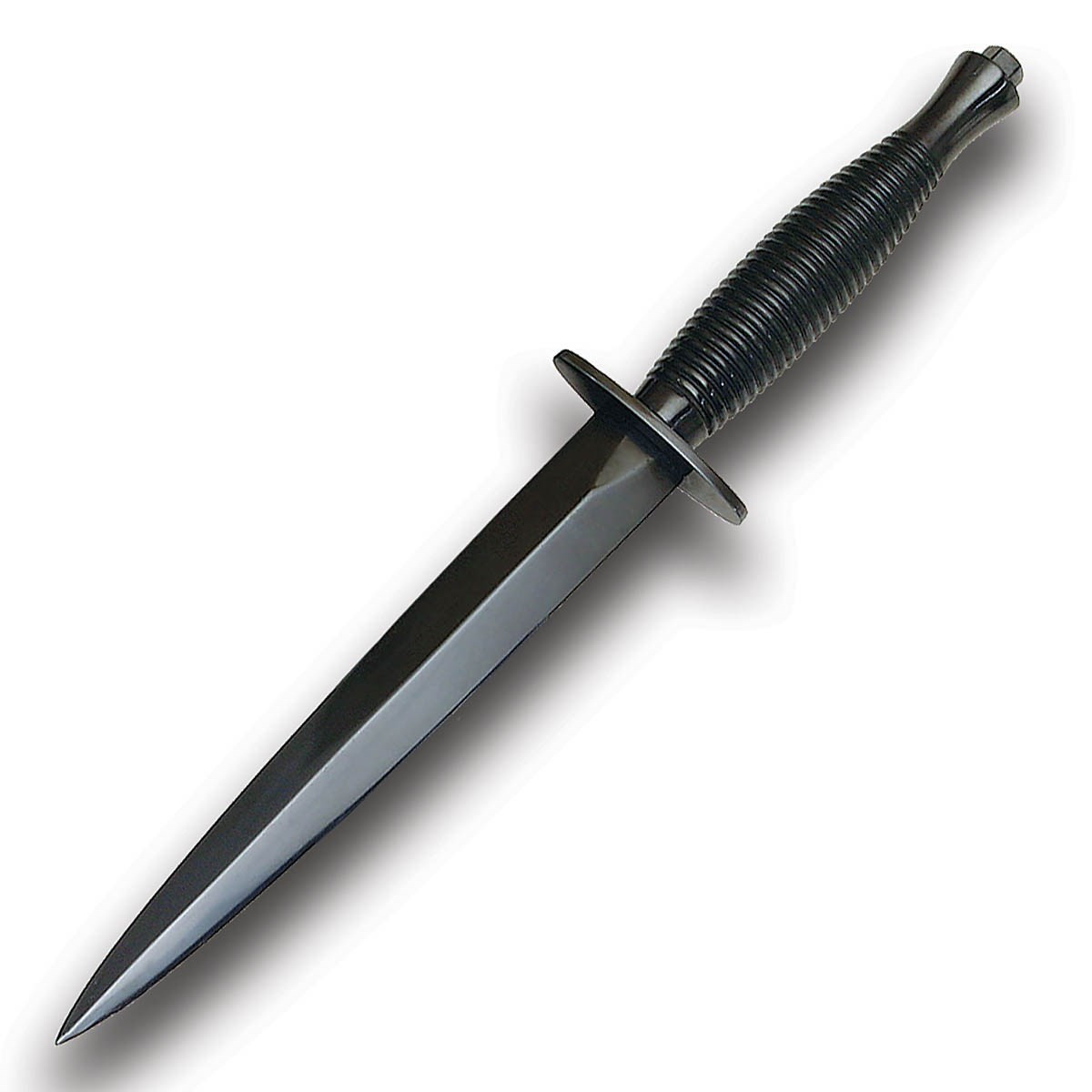
Fairbairn–Sykes Fighting Knife
The Fairbairn–Sykes Fighting Knife was a slim, double-edged dagger designed in 1940 by William Fairbairn and Eric Sykes, two former… Continued…
-
Highland Dirk
The Highland dirk is the long, single-edged dagger of the Scottish Highlands, known in Gaelic as the biodag. It developed from the medieval… Continued…
-
Jambiya
The jambiya is the curved, double-edged dagger of Arabia, worn at the front of the belt in a sheath with a sharply upturned tip. It is most… Continued…
-
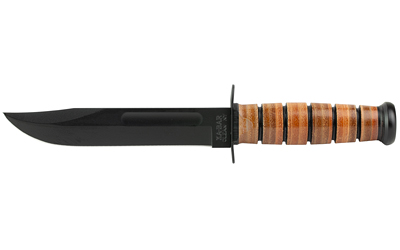
KA-BAR Knife
The KA-BAR is the fighting and utility knife of the United States Marine Corps: a seven-inch clip-point blade of carbon steel with a blood… Continued…
-
Karambit
The karambit is the claw-shaped knife of the Malay world: a small, sharply curved blade from Sumatra and the surrounding archipelago, held… Continued…
-
Katar
The katar is the Indian push dagger: a short, broad, often triangular blade set at right angles to an H-shaped grip, so that the fighter… Continued…
-
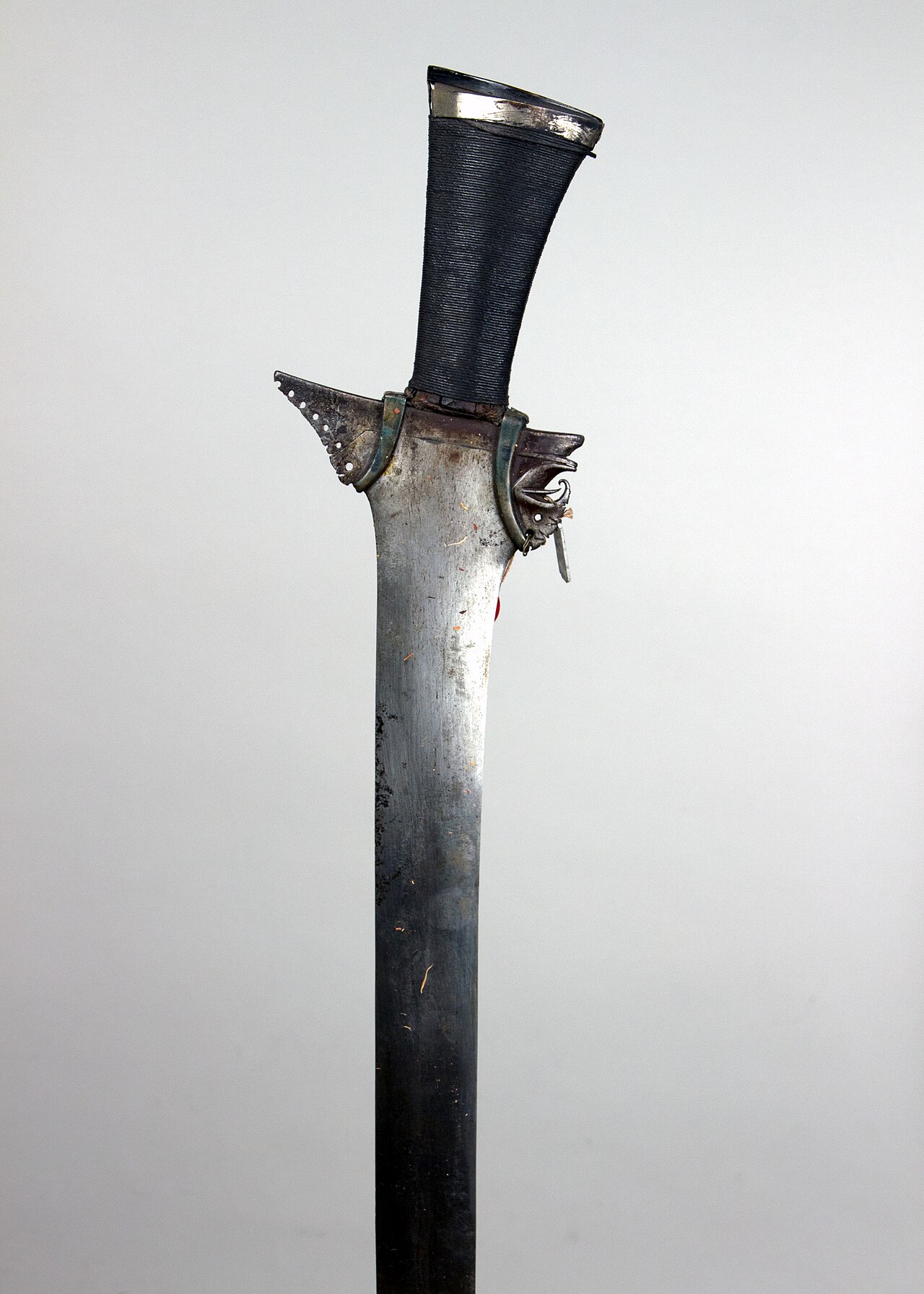
Keris
The keris is the asymmetrical dagger of the Malay world, at once a fighting weapon, a badge of rank, and a sacred heirloom. Recognizable by… Continued…
-
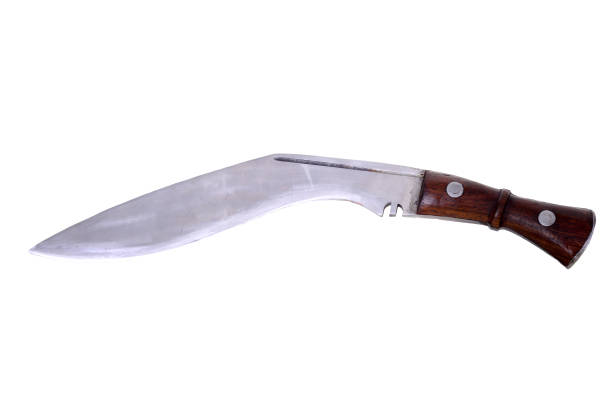
Kukri
The kukri is the forward-curved knife of Nepal: a broad, downward-angled blade that concentrates a blow like a hatchet while handling like… Continued…
-
Marine Raider Stiletto
The Marine Raider stiletto is the U.S. Marine Corps' copy of the British Fairbairn-Sykes fighting knife: a slim double-edged dagger… Continued…
-
Mark I Trench Knife
The Mark I trench knife of 1918 is the most recognizable close-combat weapon of the Great War: a double-edged dagger blade beneath a cast… Continued…
-
Puukko
The puukko is the traditional Finnish belt knife: a short, single-edged blade with a straight back, a plain handle usually made of birch… Continued…
-
Roman Pugio
The pugio was the dagger of the Roman soldier, worn on the left hip opposite the gladius. Its broad, leaf-shaped double-edged blade, often… Continued…
-
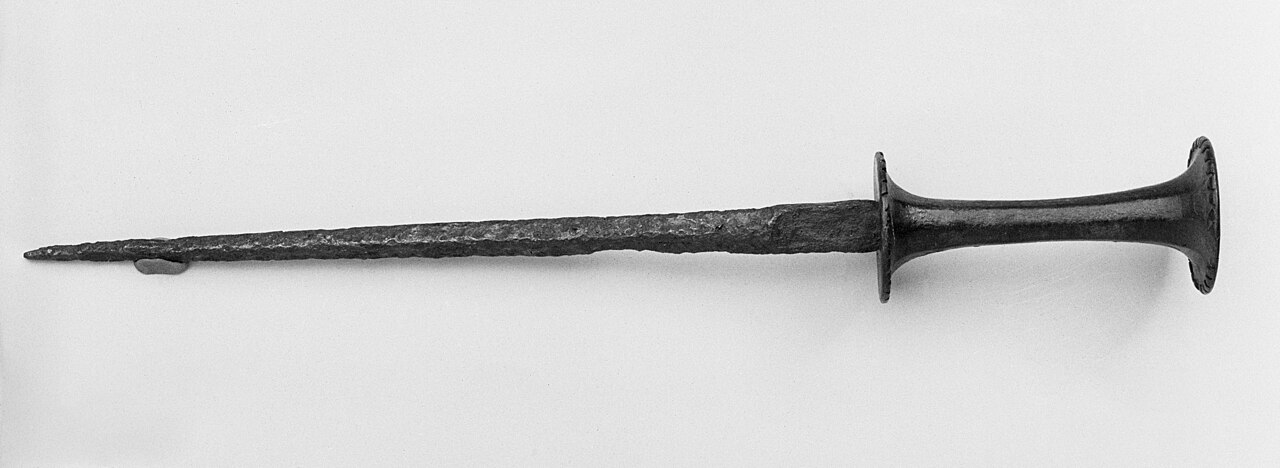
Rondel Dagger
The rondel dagger was the stiff, needle-pointed dagger of the late medieval knight, named for the disc-shaped guard and pommel that framed… Continued…
-
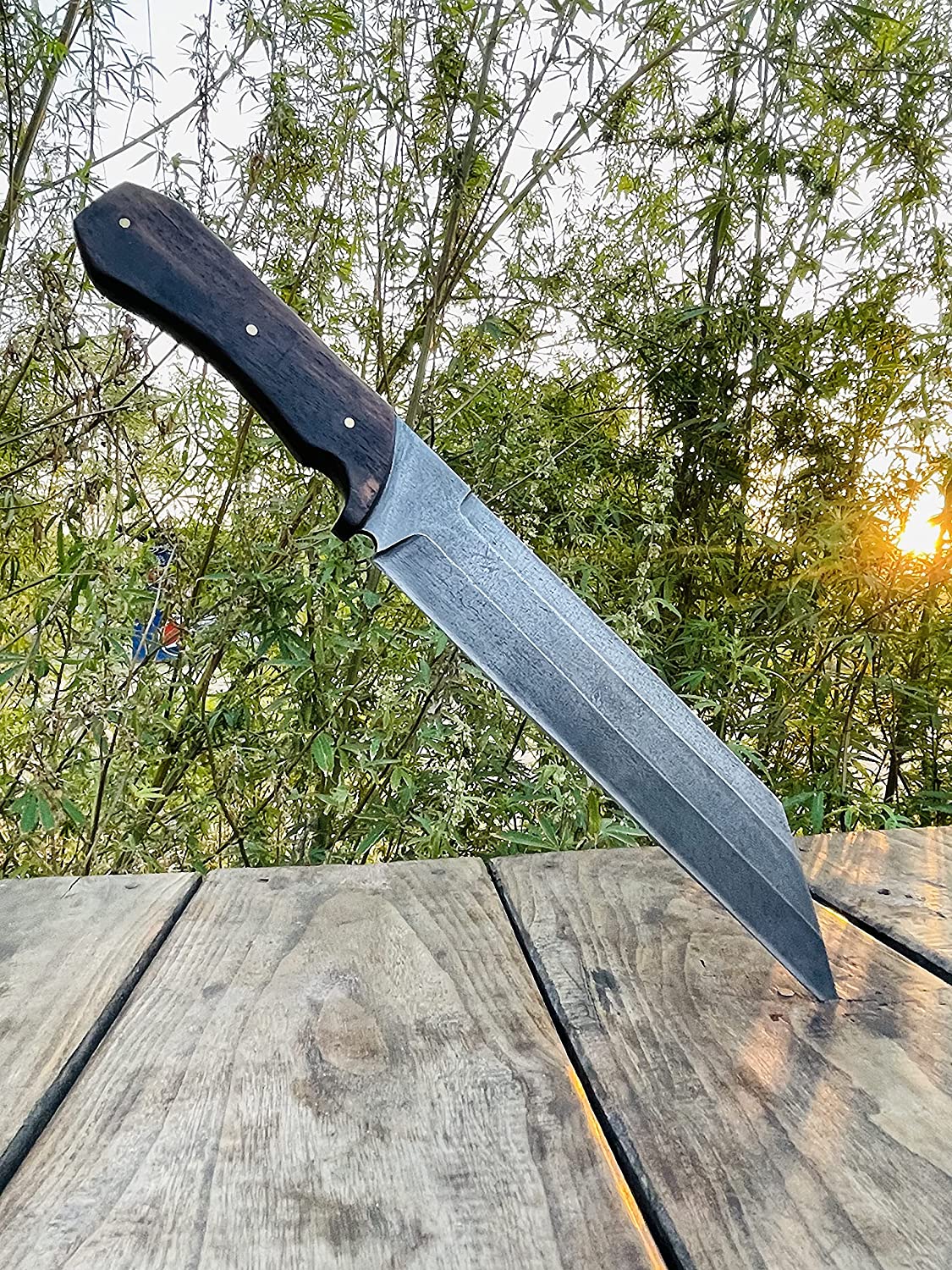
Seax
The seax is the single-edged knife of the early medieval Germanic peoples, carried from the fifth to the eleventh century by Franks… Continued…
-
Swedish Military Mora Knife
The Mora knife is the plain Swedish sheath knife made in and around Mora, in the province of Dalarna, and it was the everyday knife of the… Continued…
-
Tanto
The tanto is the dagger of the samurai: a single- or double-edged Japanese blade under thirty centimeters, forged, hardened, and polished… Continued…