Weapon Type
Submachine Guns
Automatic pistol-caliber shoulder arms.
Firearms — Subcategory
Overview
A submachine gun (SMG) is an automatic firearm firing pistol-caliber ammunition from a detachable magazine. SMGs combine the automatic fire capability of a machine gun with the compact size and pistol-round ammunition of a handgun — making them ideal for close-quarters combat (CQB), urban warfare, vehicle crews, and special operations where a full rifle is too long or heavy. The trade-off is limited effective range: pistol-caliber rounds lose velocity and energy quickly, making SMGs ineffective beyond 100–150 meters.
Development
MP 18 (1918) — The First SMG
The MP 18 (Maschinenpistole 18) was developed by Hugo Schmeisser for German Stormtrooper units:
- 9mm Parabellum; 32-round snail drum magazine (later box magazine)
- ~400 rounds per minute
- Designed for trench clearing and infiltration — scenarios requiring short-range automatic fire
- Too late to significantly affect WWI outcomes but established the SMG concept
World War II SMGs
The SMG came of age in WWII, with all major powers fielding purpose-designed or improvised SMGs:
Thompson Submachine Gun ("Tommy Gun")
- .45 ACP; 20- or 30-round box or 50/100-round drum
- Developed 1919; adopted by Prohibition-era gangsters first; US military in 1928
- Heavy; expensive; reliable; effective to ~50 meters
- Used by US forces throughout WWII; the iconic American SMG
German MP 40
- 9mm; 32-round box magazine; ~500 rounds per minute
- Stamped metal and plastic construction; lighter and cheaper than machined designs
- The standard German infantry SMG; often mislabeled "Schmeisser" (Schmeisser had little involvement)
British Sten Gun
- 9mm; 32-round side-feeding magazine; minimal parts
- Designed for mass production; could be made in small workshops
- Infamous for accidental discharges; beloved for simplicity and reliability (when clean)
- Produced in enormous numbers; airdropped to resistance fighters across Europe
Soviet PPSh-41
- 7.62×25mm Tokarev; 71-round drum or 35-round box magazine; 900 rounds per minute — the highest rate of fire of any WWII SMG
- Mass-produced; entire Soviet platoons were armed exclusively with PPSh-41s
- Used by Chinese forces in Korea
PPS-43
- 7.62×25mm; 35-round box; stamped metal; designed to be producible under siege conditions in Leningrad
- Even simpler than the PPSh; excellent reliability
Post-WWII SMGs
- Israeli Uzi (1954) — Wrap-around bolt design; extremely compact; adopted widely
- HK MP5 (1966) — The definitive modern SMG; 9mm; roller-delayed blowback; exceptional accuracy; the weapon of SWAT teams, GSG 9, and SAS; famous from the 1980 Iranian Embassy siege MP5
- Heckler & Koch HK MP7 (2001) — Fires 4.6×30mm armor-piercing round; designed to defeat body armor; bridges SMG and PDW categories
Decline and Niche Role
As assault rifles became shorter and lighter (M4, SIG 553, HK416), the SMG's advantage (compact size) narrowed. Modern SMGs survive in:
- Law enforcement (where rifle penetration risks are unacceptable in populated areas)
- Close protection details (compact, concealable)
- Special operations (where pistol-caliber penetration is sufficient for the scenario)
This article is a stub. Contributions covering specific SMG models, battles, and tactics are welcome.
-
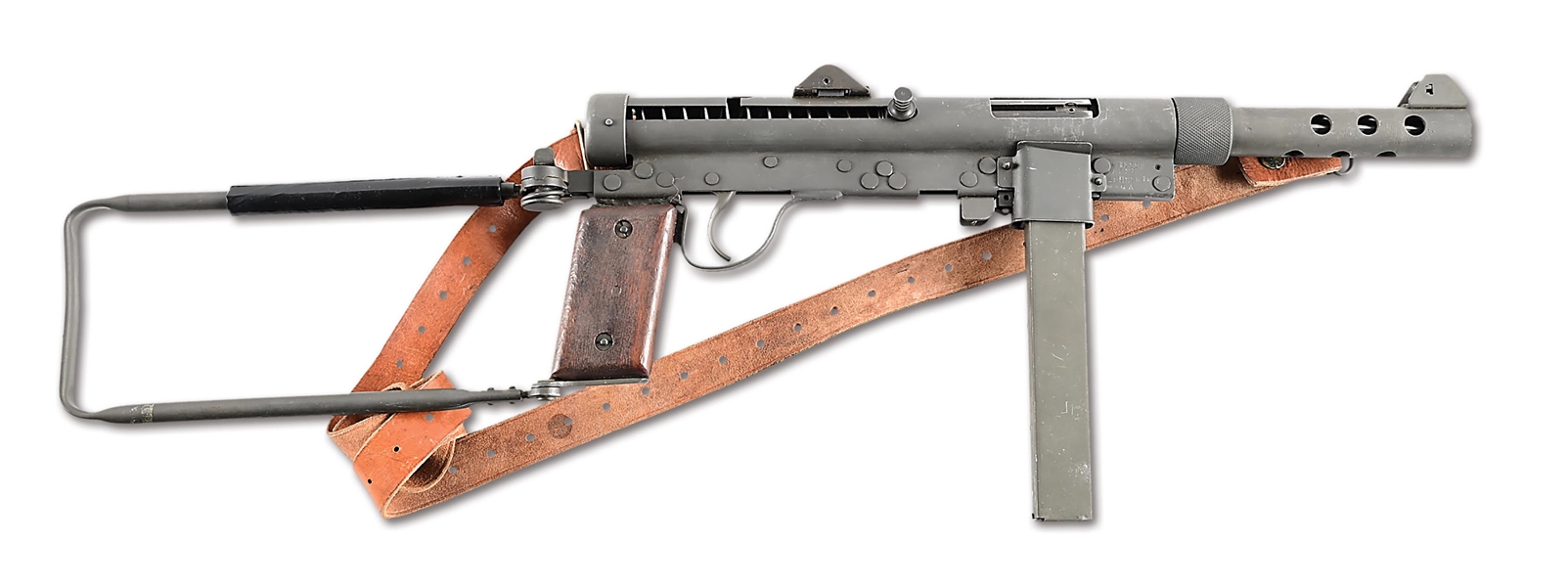
Carl Gustaf m/45
The Carl Gustaf m/45 is a Swedish 9mm submachine gun adopted in 1945 and made at the Carl Gustafs Stads Gevärsfaktori in Eskilstuna.… Continued…
-
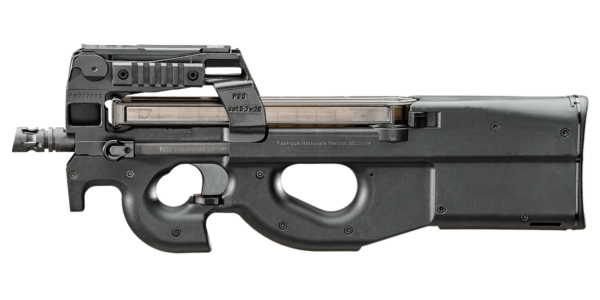
FN P90
The FN P90 is a Belgian personal defense weapon designed by FN Herstal in the late 1980s to give drivers, gunners and other rear-echelon… Continued…
-
HK MP5
The Heckler & Koch MP5 is the submachine gun by which every other has been judged since the 1970s. It shrank the roller-delayed blowback… Continued…
-
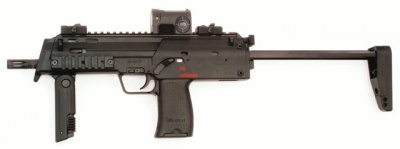
HK MP7
The Heckler & Koch MP7 is a personal defense weapon: a machine pistol the size of a large handgun that fires a small, very fast 4.6x30mm… Continued…
-
K-50M
The K-50M is a North Vietnamese submachine gun of the late 1950s and 1960s: a rebuilt Chinese Type 50, itself a copy of the Soviet PPSh-41.… Continued…
-
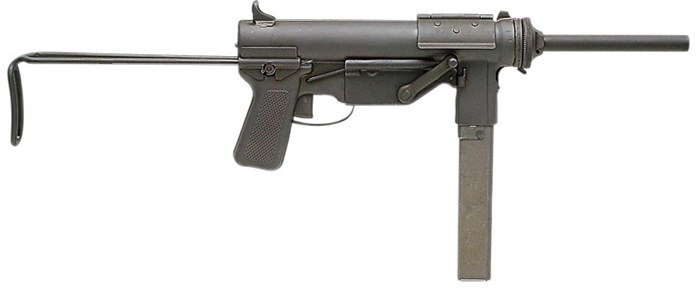
M3 Grease Gun
The M3 'Grease Gun' was America's Sten: a .45 caliber submachine gun of stamped steel and welded seams, designed in 1942 to replace the… Continued…
-
MAC-10
The MAC-10, properly the Ingram M10, is a very compact submachine gun designed by the American engineer Gordon Ingram in the 1960s and made… Continued…
-
MP 18
The MP 18 was the first practical submachine gun to go into service: a light automatic weapon firing pistol cartridges, designed by Hugo… Continued…
-
MP40
The MP40 was Germany's war-production submachine gun: 9mm Parabellum from an open bolt, a plain tube receiver of stampings and welds, no… Continued…
-
PPS-43
The PPS-43 is a Soviet submachine gun introduced in 1942, designed by Alexei Sudayev and first built in besieged Leningrad. Made almost… Continued…
-
PPSh-41
The PPSh-41 was the Soviet Union's war-winning submachine gun: a stamped-steel design by Georgy Shpagin firing the 7.62x25 Tokarev… Continued…
-
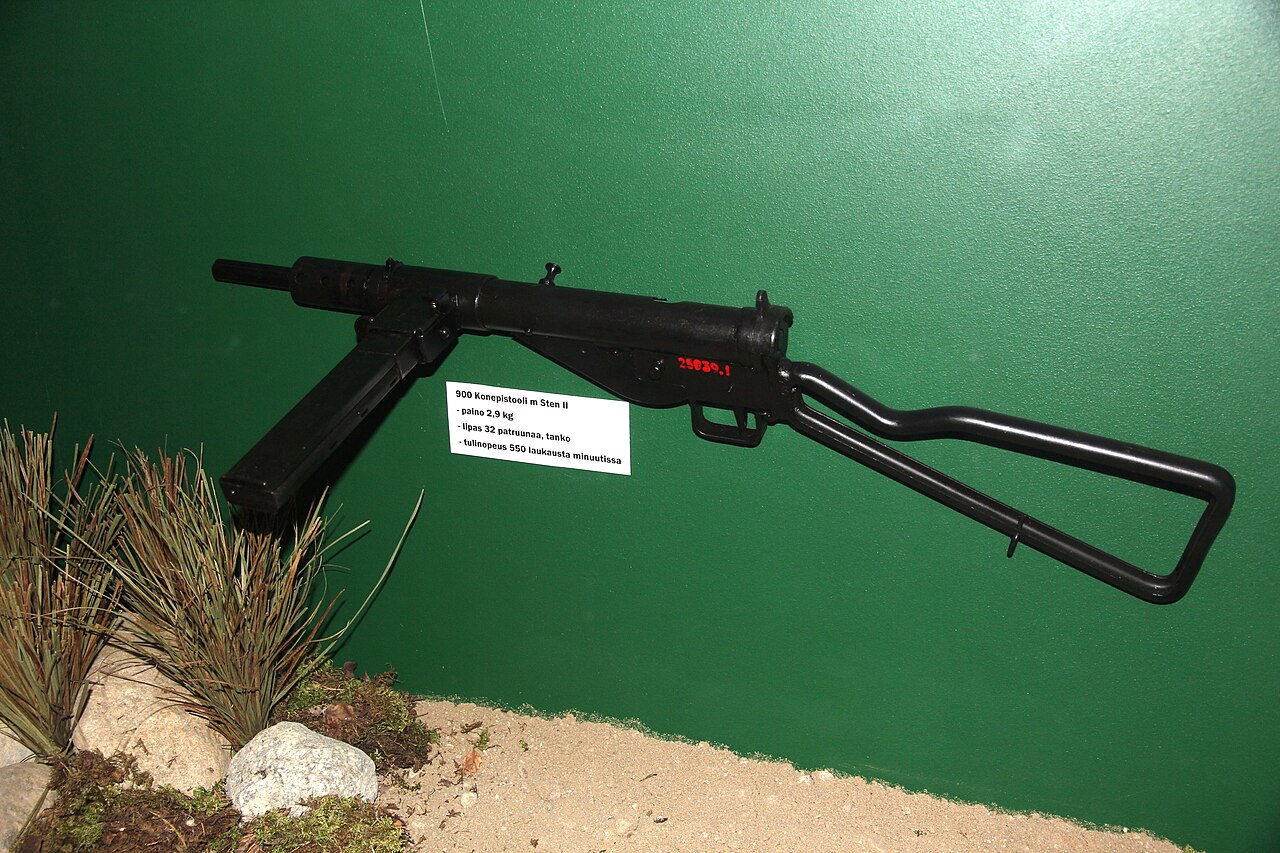
Sten Gun
The Sten was Britain's emergency submachine gun: a 9mm open-bolt weapon of stampings, tube, and spot welds that cost a few pounds and a few… Continued…
-
Sterling Submachine Gun
The Sterling is the 9mm submachine gun that replaced the Sten in British service. George Patchett designed it at Sterling Armaments in… Continued…
-
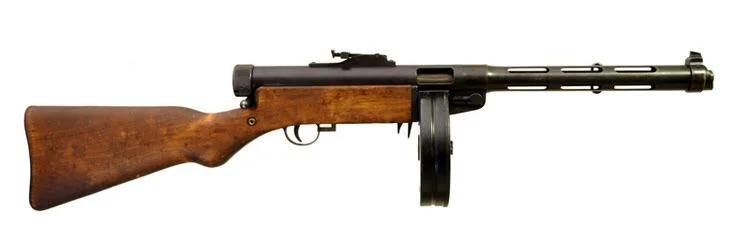
Suomi KP/-31
The Suomi KP/-31 was the Finnish Army's submachine gun in the Second World War. Designed by Aimo Lahti and made by the Tikkakoski company… Continued…
-
Thompson Submachine Gun
The Thompson was America's first submachine gun: a .45 ACP automatic designed as a trench broom for a war that ended before it shipped.… Continued…
-
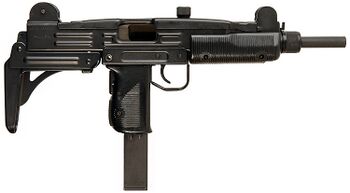
Uzi
The Uzi is a submachine gun designed in Israel by Major Uziel Gal around 1950 and made by Israel Military Industries. By placing the… Continued…