Origin
United States
The United States became the world's dominant arms producer from WWII onward. American weapons including the M1 Garand, M1911 pistol, M16 rifle, M4 carbine, and a vast array of artillery, aircraft, and naval weapons have defined modern warfare and been exported to militaries worldwide.
Overview
The United States entered the 19th century as a minor military power and ended the 20th as the world's dominant one, with an arms industry whose output in scope, quality, and innovation has shaped modern warfare globally. American weapons have been exported to allies and adversaries alike, and many — the M1911, M1 Garand, M16, .30-06 cartridge, and others — are among the most influential designs in history.
Small Arms Milestones
Pistols
- Colt Model 1873 Single Action Army — The iconic revolver of the frontier era; .45 Colt
- Colt M1911 — Designed by John Browning; .45 ACP semi-automatic; adopted 1911; served as the US standard sidearm until 1985; arguably the most influential pistol design of the 20th century
- Beretta M9 — Replaced the M1911; 9mm; 15-round magazine; NATO standard
- SIG Sauer M17/M18 — Current US military standard sidearm
Rifles
- Springfield Model 1873 "Trapdoor" — First standard US breech-loading rifle
- Krag-Jørgensen M1892 — First US magazine repeating rifle
- Springfield M1903 — Mauser-based bolt-action; 5-round internal magazine; used through WWII
- M1 Garand — Semi-automatic; 8-round en bloc clip; "the greatest battle implement ever devised" (Patton); standard US rifle 1936–1957
- M14 — 7.62mm NATO; 20-round magazine; transitional design
- M16/M16A1/A2/A4 — 5.56mm; the standard US military rifle since 1964
- M4 Carbine — Shortened M16; current standard US issue
Machine Guns
- Browning M1917/M1919 — Water and air-cooled; used in both World Wars
- Browning M2HB (.50 cal) — Heavy machine gun; introduced 1933; still the US and NATO standard heavy MG
- M60 GPMG — 7.62mm; used Vietnam through the 1990s
- M249 SAW — 5.56mm light machine gun; squad automatic weapon
Artillery and Heavy Weapons
- M1 155mm howitzer (Long Tom) — WWII standard heavy field piece
- M109 Paladin — Self-propelled 155mm; current US standard
- M270 MLRS — Multiple Launch Rocket System; precision-guided rockets
Aviation and Missiles
- P-51 Mustang — WWII long-range escort fighter
- F-86 Sabre — First American swept-wing jet fighter; Korean War
- F-4 Phantom II — Vietnam-era multirole fighter
- F-15/F-16 — Cold War fighters still in service
- F-22 Raptor / F-35 Lightning II — Current generation stealth fighters
- BGM-109 Tomahawk — Cruise missile; 1,500+ km range; first combat use 1991
Nuclear Arsenal
The United States developed the first nuclear weapons (Manhattan Project, 1945) and maintains a triad of land-based ICBMs (Minuteman III), submarine-launched ballistic missiles (Trident II), and strategic bombers (B-52, B-2).
This article is a stub. Contributions covering specific weapons systems, manufacturers, and conflicts are welcome.
Battles & Operations
-
Battles of Saratoga (19 September and 7 October 1777)
The Battles of Saratoga were two battles fought in upstate New York in the autumn of 1777. A British army under General John Burgoyne had… Continued…
-
Battle of Camden (16 August 1780)
The Battle of Camden, fought on 16 August 1780 a few miles north of Camden, South Carolina, was one of the worst American defeats of the… Continued…
-
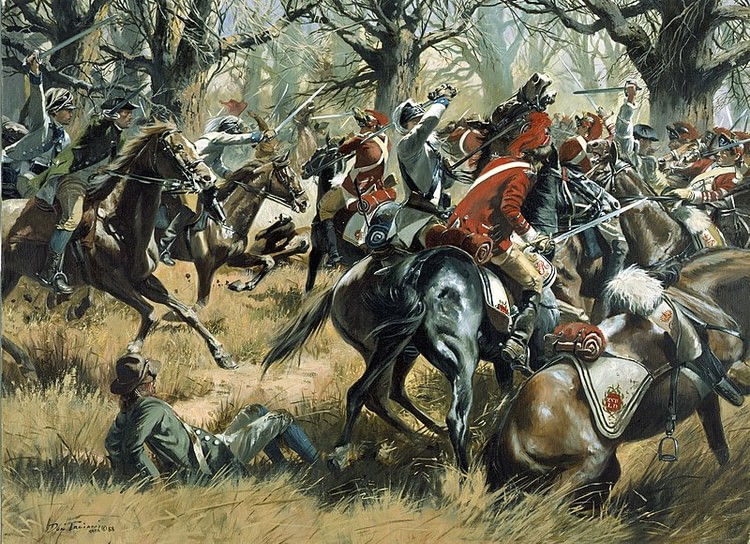
Battle of Cowpens (17 January 1781)
The Battle of Cowpens, fought on 17 January 1781 at a frontier pasture near the North Carolina border of South Carolina, was one of the… Continued…
-
Battle of Guilford Court House (15 March 1781)
The Battle of Guilford Court House was fought on 15 March 1781 in what is now Greensboro, North Carolina. About 1,900 British and German… Continued…
-
Siege of Yorktown (28 September - 19 October 1781)
The Siege of Yorktown, from 28 September to 19 October 1781, was the last major battle of the American Revolution. A combined American and… Continued…
-
Battle of the Alamo (23 February - 6 March 1836)
The Battle of the Alamo was the thirteen-day siege and final assault, from 23 February to 6 March 1836, in which a Mexican army under… Continued…
-
Battle of Gettysburg (1-3 July 1863)
The Battle of Gettysburg was fought on 1-3 July 1863 around the town of Gettysburg, Pennsylvania, between the Union Army of the Potomac… Continued…
-
Second Battle of Fort Wagner (18 July 1863)
The Second Battle of Fort Wagner, fought on 18 July 1863 on Morris Island outside Charleston, South Carolina, was a failed Union night… Continued…
-
Battle of the Little Bighorn (25-26 June 1876)
The Battle of the Little Bighorn was fought on 25 and 26 June 1876 beside the Little Bighorn River in Montana Territory. Lakota, Northern… Continued…
-
Meuse-Argonne Offensive (26 September - 11 November 1918)
The Meuse-Argonne Offensive, fought from 26 September to 11 November 1918, was the main American battle of the First World War and part of… Continued…
-
Battle of Midway (4-7 June 1942)
The Battle of Midway, fought from 4 to 7 June 1942 around Midway Atoll in the central Pacific, was the turning point of the naval war… Continued…
-
Normandy Landings (6 June 1944)
The Normandy Landings of 6 June 1944, D-Day, were the largest seaborne invasion in history and the start of the Allied liberation of… Continued…
-
Siege of Bastogne (20-27 December 1944)
The Siege of Bastogne, from 20 to 27 December 1944, was the best-known episode of the Battle of the Bulge. The US 101st Airborne Division… Continued…
-
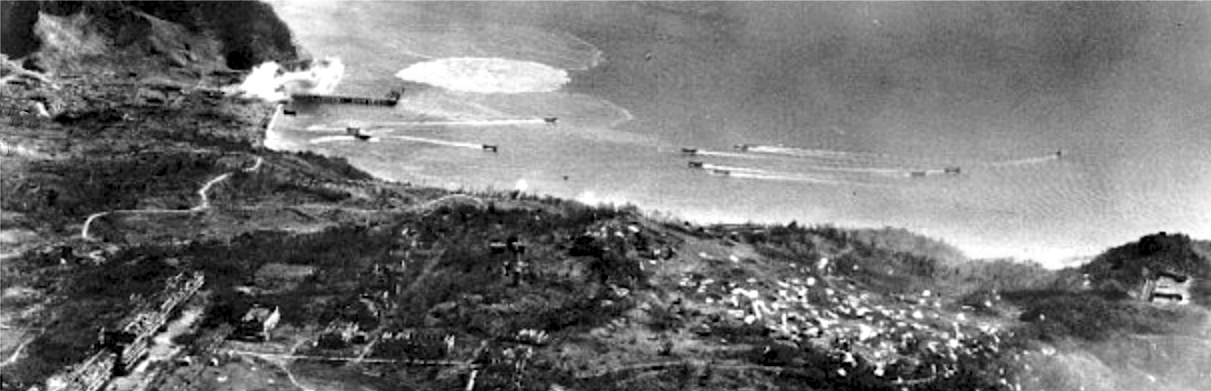
Battle of Corregidor (16-26 February 1945)
The Battle of Corregidor, 16 to 26 February 1945, recaptured the island fortress at the mouth of Manila Bay that American and Filipino… Continued…
-
Battle of Iwo Jima (19 February - 26 March 1945)
The Battle of Iwo Jima, fought from 19 February to 26 March 1945 on a small volcanic island south of Japan, was one of the hardest battles… Continued…
-
Battle of Okinawa (1 April - 22 June 1945)
The Battle of Okinawa, fought from 1 April to 22 June 1945, was the last major battle of the Pacific War and one of its largest. The US… Continued…
-
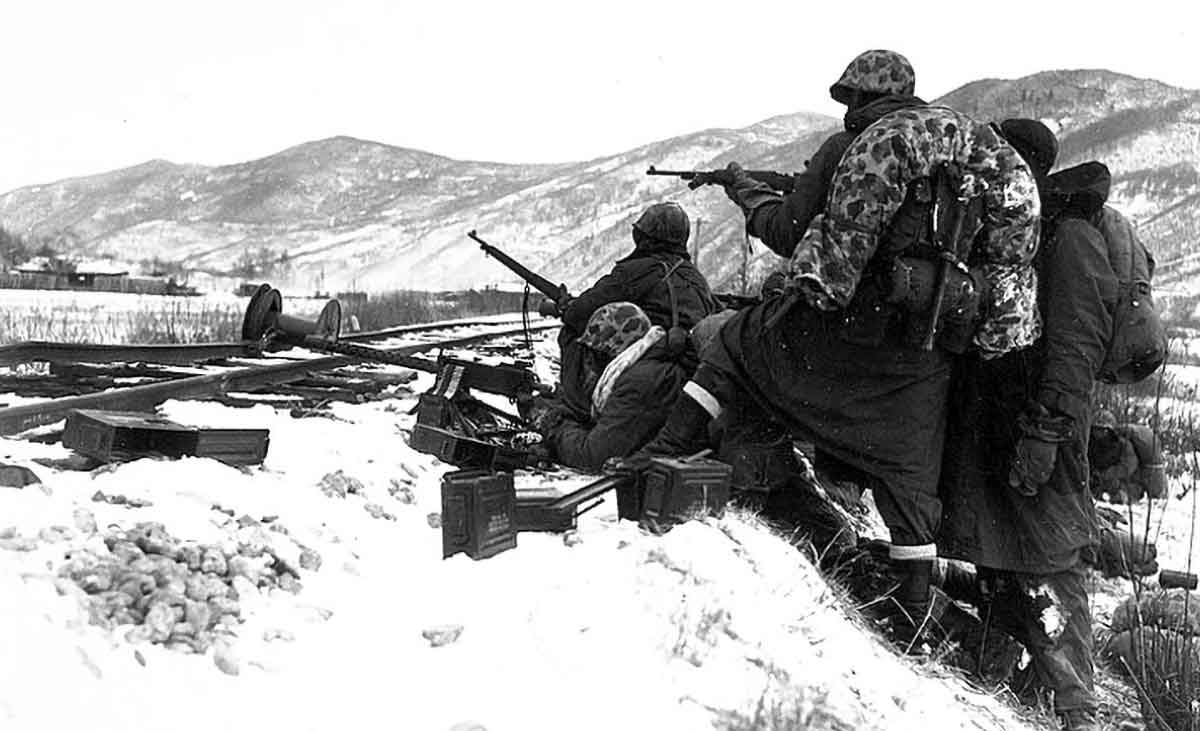
Battle of Chosin Reservoir (27 November - 13 December 1950)
The Battle of Chosin Reservoir was fought in the mountains of northeast Korea from late November to mid-December 1950. Chinese armies… Continued…
-
Battle of Ia Drang (14-18 November 1965)
The Battle of Ia Drang, fought from 14 to 18 November 1965 in the Central Highlands of South Vietnam, was the first major battle between… Continued…
-
Battle of Huế (31 January - 2 March 1968)
The Battle of Huế, fought from 31 January to 2 March 1968, was the longest and bloodiest battle of the Tet Offensive. North Vietnamese and… Continued…
-
Battle of Khe Sanh (21 January - 9 July 1968)
The Battle of Khe Sanh was a 77-day North Vietnamese siege of a US Marine Corps combat base near the Laotian border and the Demilitarized… Continued…
-
Battle of Mogadishu (3-4 October 1993)
The Battle of Mogadishu was fought on 3 and 4 October 1993 in the Somali capital between the American special operations force Task Force… Continued…
-
Operation Red Wings (27 June - mid-July 2005)
Operation Red Wings was an American operation in Kunar Province, Afghanistan, in June and July 2005, aimed at the militant leader Ahmad… Continued…
-
Operation Neptune Spear (2 May 2011)
Operation Neptune Spear was the United States raid of 2 May 2011 that killed Osama bin Laden, the founder of al-Qaeda, at a walled compound… Continued…
Weapons
-
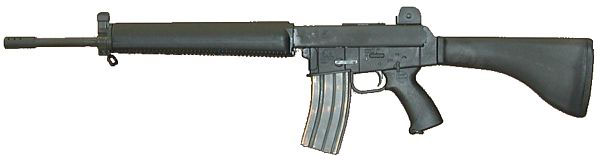
Armalite AR-18
The Armalite AR-18 is a 5.56mm select-fire rifle designed in 1963 by Arthur Miller and George Sullivan at Armalite in Costa Mesa… Continued…
-
Bangalore Torpedo
The Bangalore torpedo is a long explosive charge made of steel tubes that can be joined end to end, pushed under barbed wire or across a… Continued…
-
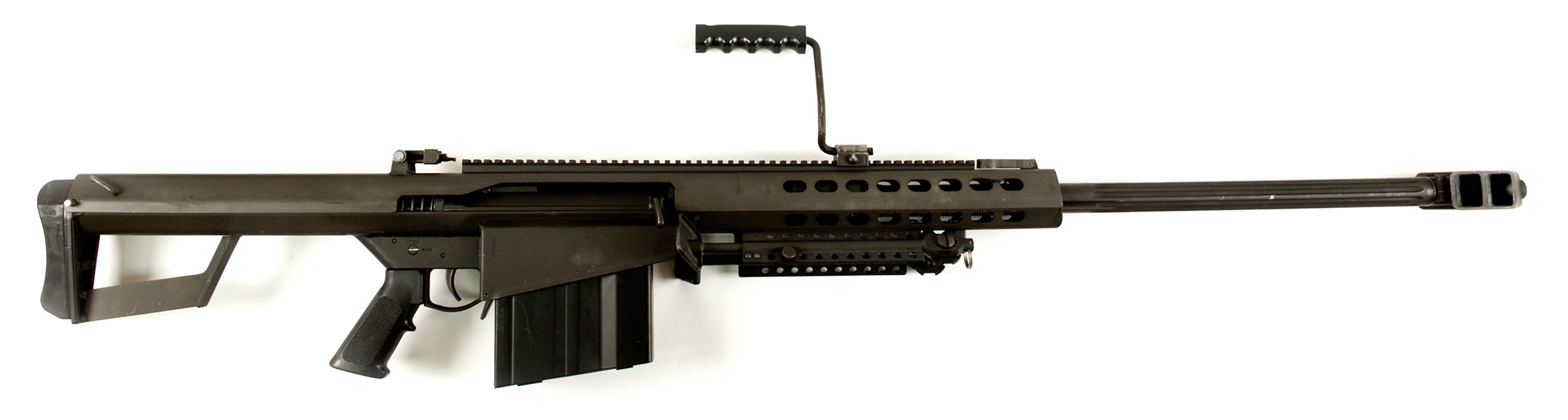
Barrett M82
The Barrett M82 is a semi-automatic rifle chambered for the .50 BMG machine-gun cartridge, designed by Ronnie Barrett in Tennessee in the… Continued…
-
Bazooka
The bazooka was the American 2.36-inch shoulder-fired rocket launcher of the Second World War, built as the M1, M1A1 and M9. Introduced in… Continued…
-
Beretta M9
The Beretta M9 is the 9 mm semi-automatic pistol adopted by the United States armed forces in 1985 to replace the .45 caliber M1911A1. It… Continued…
-
Boarding Axe
The boarding axe was the short-handled naval axe of the age of sail, with a cutting blade on one side and a spike on the other. It was a… Continued…
-
Boarding Pike
The boarding pike was a short spear carried on sailing warships to defend the ship against boarders and to arm boarding parties. It was… Continued…
-
Bofors 40 mm Gun
The Bofors 40 mm gun is a light anti-aircraft gun designed by the Swedish firm AB Bofors in the early 1930s. It fired a two-pound explosive… Continued…
-
Bolo Knife
The bolo is the broad-bladed working knife of the Philippines — wider toward the tip, weighted for the chop, the universal tool of field… Continued…
-
Bowie Knife
The Bowie knife is the great American fighting blade of the nineteenth century: a heavy sheath knife, typically with a clipped point and a… Continued…
-
Brodie Helmet
The Brodie helmet is the shallow, wide-brimmed steel helmet designed by John Leopold Brodie in 1915 and worn by British and Commonwealth… Continued…
-
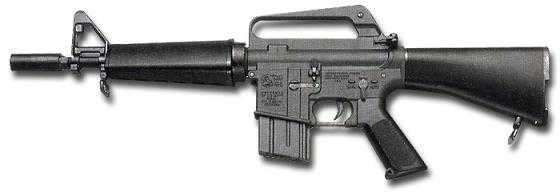
CAR-15
CAR-15 was Colt's name, from the mid-1960s, for a family of weapons built on the AR-15 and M16 rifle, and soldiers came to use it for the… Continued…
-
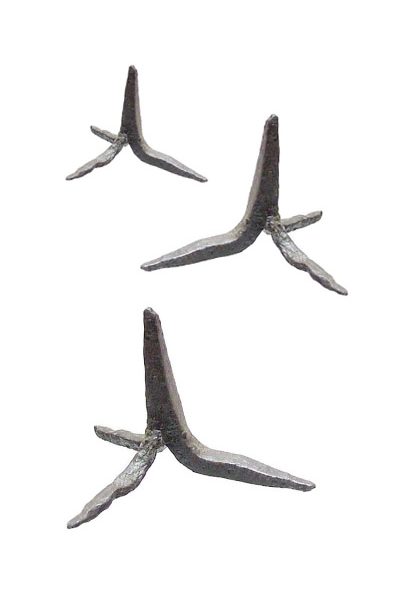
Caltrops
A caltrop is a small iron device of four spikes joined at the center so that however it lands, one spike always points up. Scattered on the… Continued…
-
Chauchat
The Chauchat, officially the Fusil Mitrailleur Modèle 1915 CSRG, was the French army's light automatic weapon of the First World War. It… Continued…
-
Colt 1851 Navy Revolver
The Colt 1851 Navy is the revolver that made Samuel Colt's fortune and the revolver of the American frontier and Civil War: a .36-caliber… Continued…
-
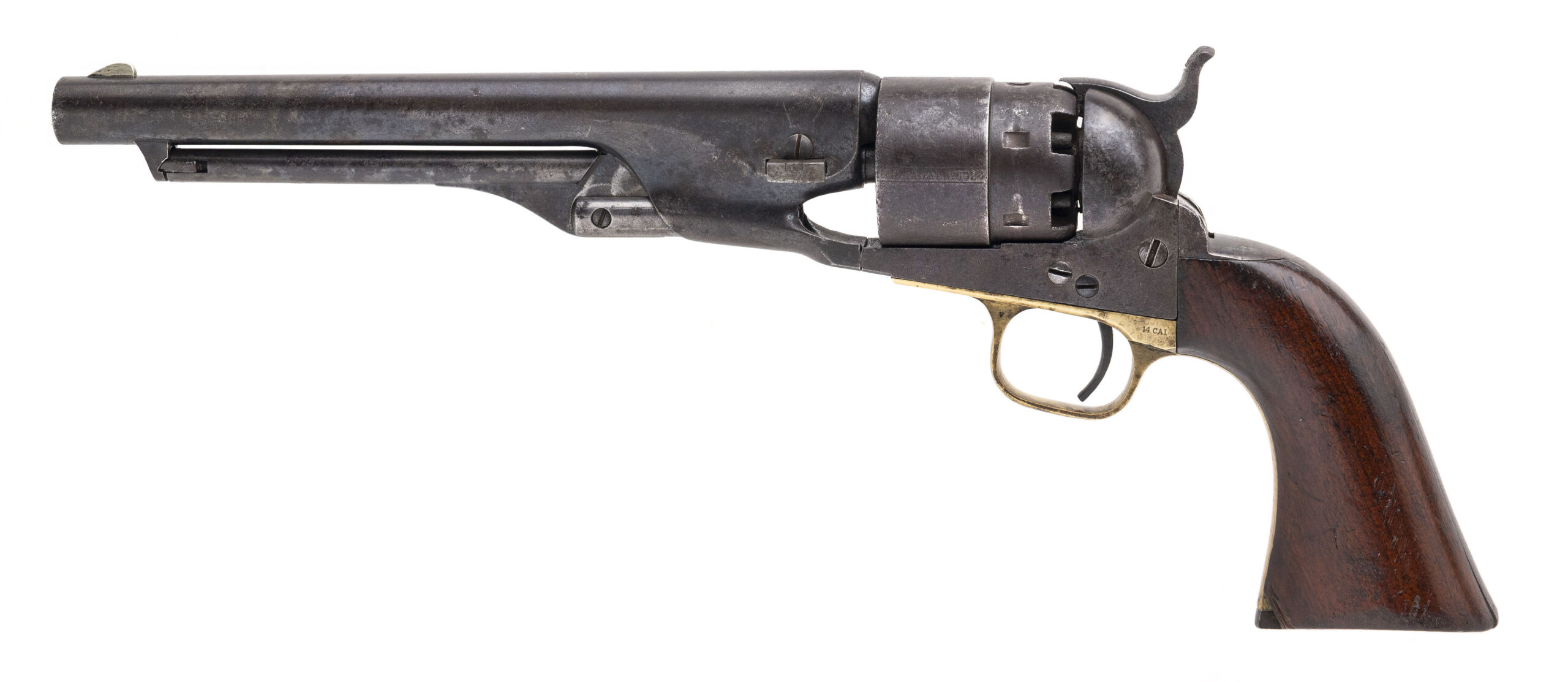
Colt 1860 Army
The Colt 1860 Army was the principal revolver of the Union cavalry in the American Civil War: a six-shot .44 caliber percussion revolver… Continued…
-
Colt Single Action Army
The Colt Single Action Army of 1873 — the Peacemaker — is the revolver of the American West. Adopted by the U.S. Army in .45 Colt and sold… Continued…
-
Ek Commando Knife
The Ek Commando knife is the private-purchase fighting knife of World War II America: hand-ground daggers and fighters from John Ek's… Continued…
-
FN MAG
The FN MAG is a Belgian general-purpose machine gun designed by Ernest Vervier at Fabrique Nationale and introduced in 1958. It fires… Continued…
-
Flak Jacket
The flak jacket is the fragmentation-protective vest of the mid-twentieth century: first the steel-plated flak suits of American bomber… Continued…
-
French 75
The French 75, the Canon de 75 modèle 1897, was the first modern quick-firing field gun. A hydraulic and air recoil system let the barrel… Continued…
-
Gatling gun
The Gatling gun was the first practical machine gun, a hand-cranked weapon with six to ten barrels rotating around a central shaft, each… Continued…
-
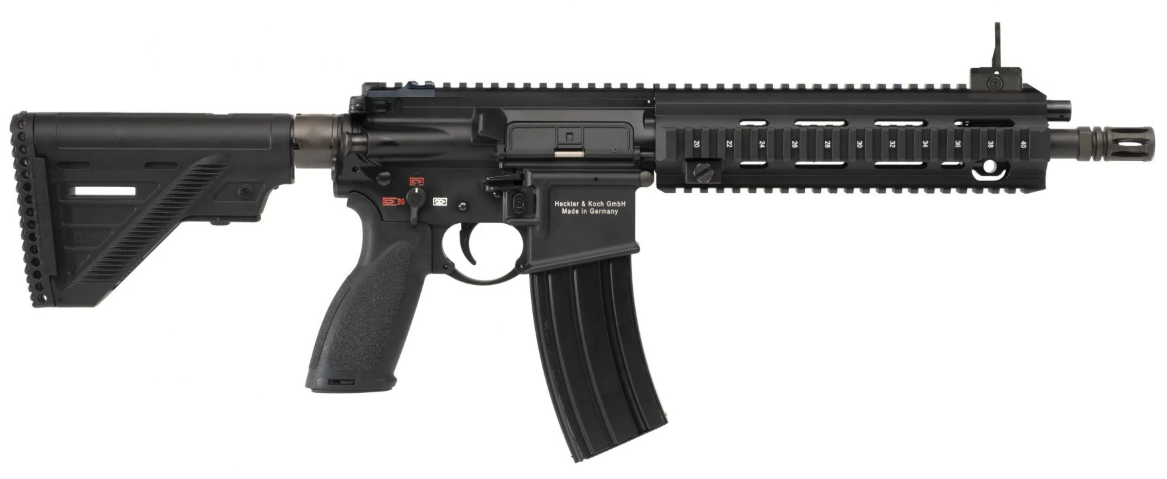
HK416
The Heckler & Koch HK416 is a 5.56mm assault rifle and carbine that keeps the ergonomics, magazines and accessories of the American M4 but… Continued…
-
Hawken Rifle
The Hawken rifle was the heavy half-stocked 'plains rifle' made in St. Louis by the brothers Jacob and Samuel Hawken from the 1820s, and… Continued…
-
Hotchkiss M1914
The Hotchkiss M1914 was the standard heavy machine gun of the French army in the First World War. Made by the Hotchkiss company near Paris… Continued…
-
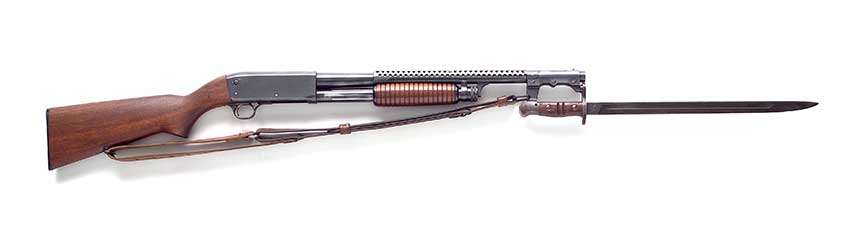
Ithaca 37
The Ithaca 37 is an American pump-action shotgun made by the Ithaca Gun Company of Ithaca, New York, from 1937. Based on a John Browning… Continued…
-
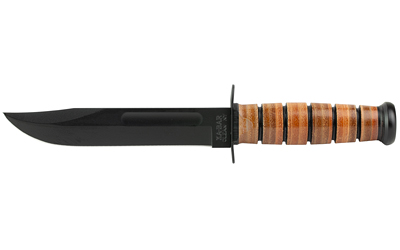
KA-BAR Knife
The KA-BAR is the fighting and utility knife of the United States Marine Corps: a seven-inch clip-point blade of carbon steel with a blood… Continued…
-
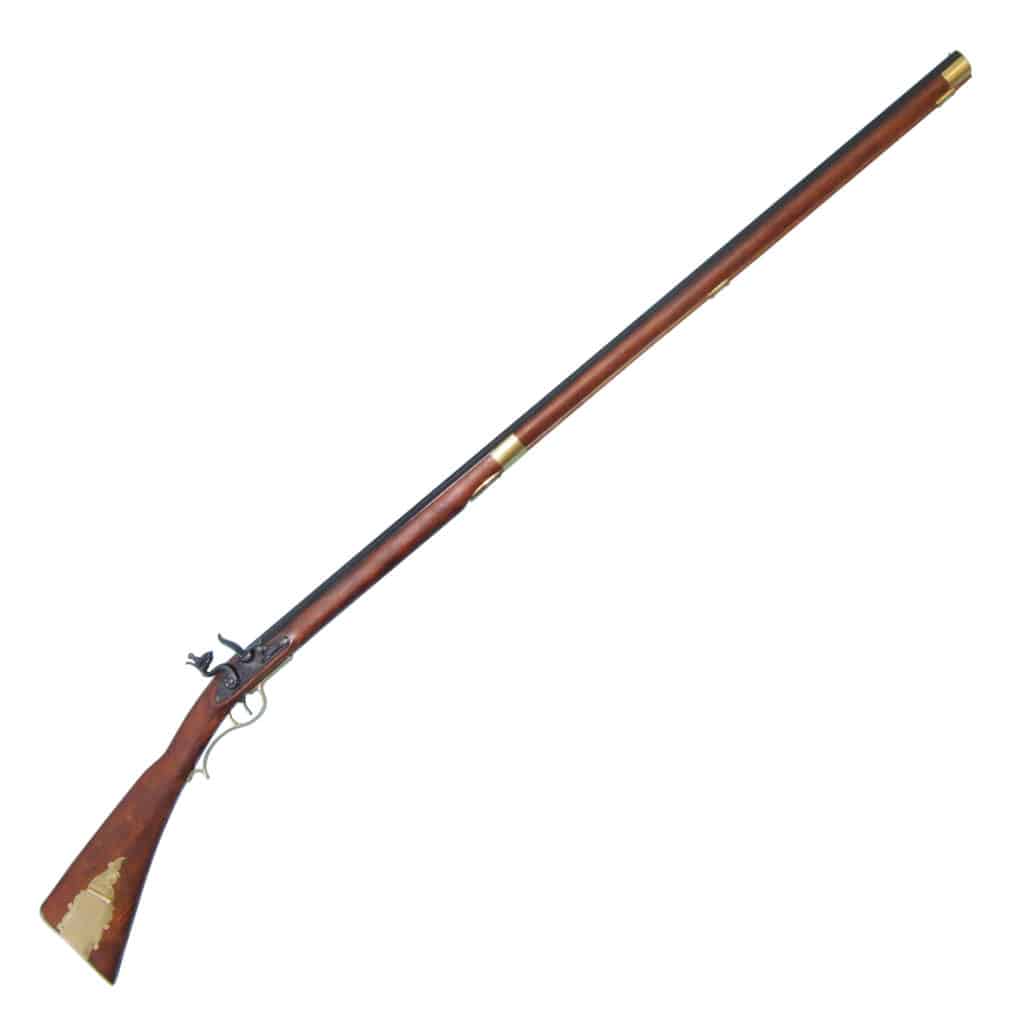
Kentucky Long Rifle
The Kentucky long rifle was the long-barreled, small-caliber flintlock rifle developed by German gunsmiths in Pennsylvania in the… Continued…
-
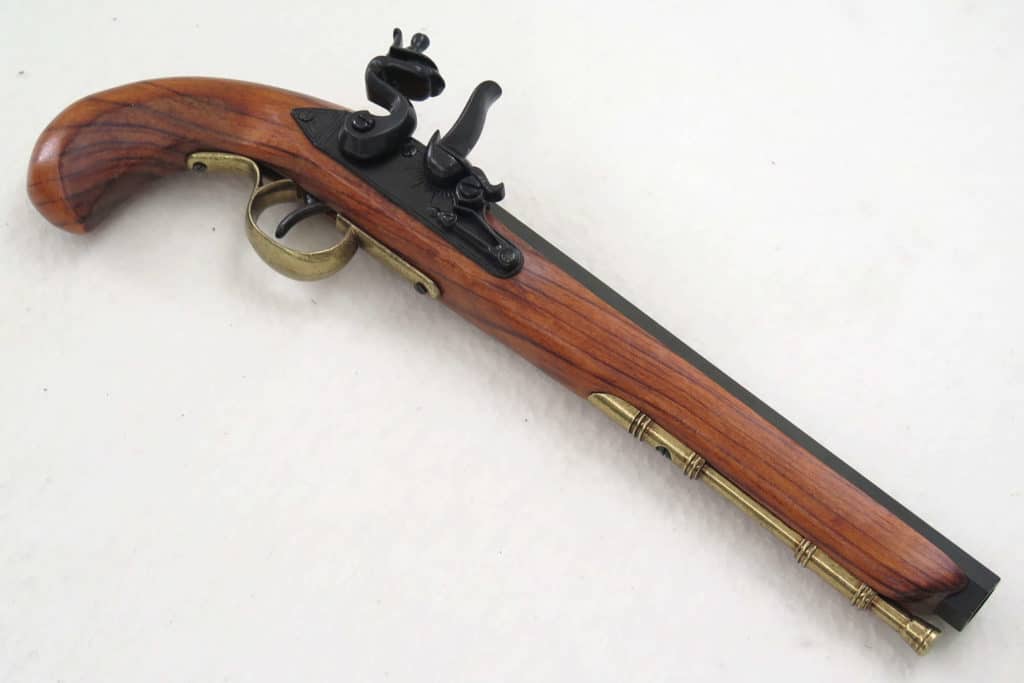
Kentucky Pistol
The Kentucky pistol is the handgun counterpart of the Kentucky long rifle: a single-shot flintlock pistol made by the same Pennsylvania and… Continued…
-
Krag-Jørgensen
The Krag-Jørgensen is a bolt-action rifle designed in Norway by Ole Krag and Erik Jørgensen and adopted by Denmark in 1889, the United… Continued…
-
Lewis Gun
The Lewis gun was the British Empire's light machine gun of the First World War: an air-cooled, gas-operated gun with a distinctive fat… Continued…
-
M1 Carbine
The M1 Carbine was the most-produced American small arm of the Second World War: a five-pound, semi-automatic .30-caliber carbine designed… Continued…
-
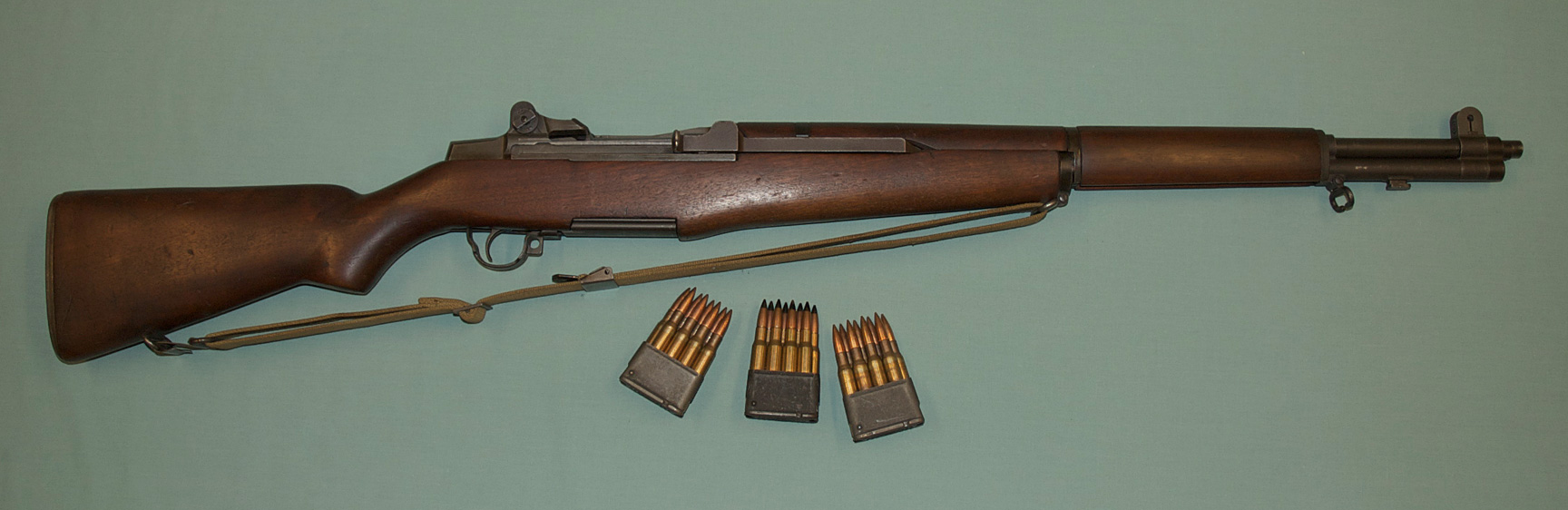
M1 Garand
The M1 Garand was the first semi-automatic rifle adopted as the standard arm of any major power, giving the American infantryman of the… Continued…
-
M1 Helmet
The M1 helmet was the steel combat helmet of the United States armed forces from 1941 until the mid 1980s, worn through the Second World… Continued…
-
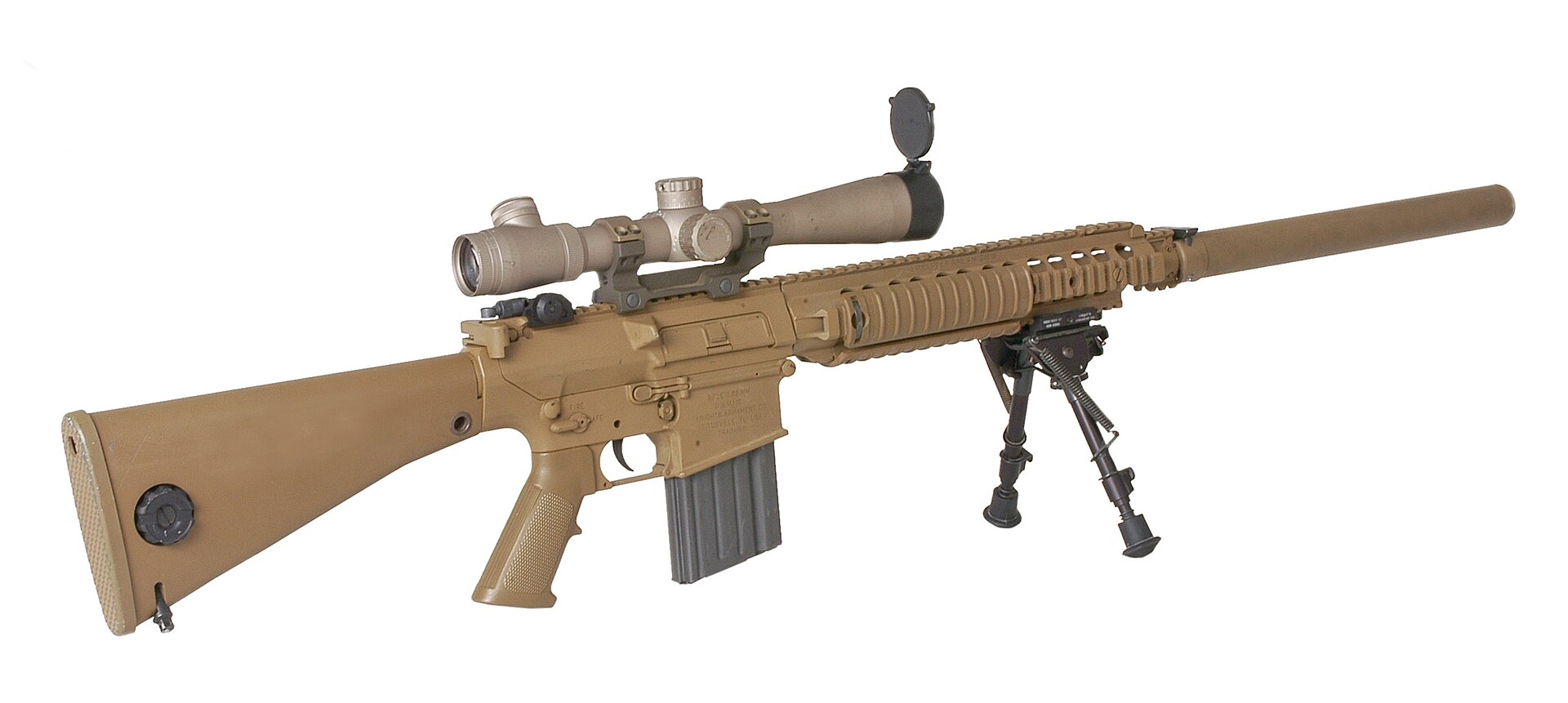
M110 Semi-Automatic Sniper System
The M110 Semi-Automatic Sniper System is the United States Army's self-loading 7.62mm sniper rifle, adopted in 2008 to give sniper teams… Continued…
-
M14 Rifle
The M14 was the United States' last wooden-stocked battle rifle: a select-fire development of the M1 Garand chambered for the new 7.62mm… Continued…
-
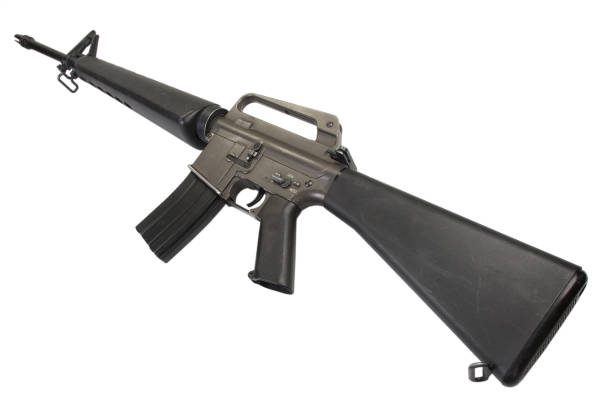
M16 Rifle
The M16 brought the assault rifle to the West: Eugene Stoner's AR-15 design in 5.56mm, built of aluminum forgings and polymer around a… Continued…
-
M18 Claymore Mine
The M18A1 Claymore is an American directional anti-personnel mine. Its curved plastic case holds a layer of C-4 explosive behind about 700… Continued…
-
M1865 Spencer Rifle
The Spencer was the first repeating rifle adopted in large numbers by any army. Invented by Christopher Spencer in 1860, it held seven… Continued…
-
M1903 Springfield
The M1903 Springfield was the United States' service rifle from 1903 until the M1 Garand replaced it in the late 1930s, and a sniper's and… Continued…
-
M1911 Pistol
The M1911 is John Browning's masterpiece: a short-recoil, single-action semi-automatic in .45 ACP that served as the standard American… Continued…
-
M1917 Enfield
The M1917 Enfield, officially the United States Rifle, cal .30, Model of 1917, was the bolt-action rifle carried by most American soldiers… Continued…
-
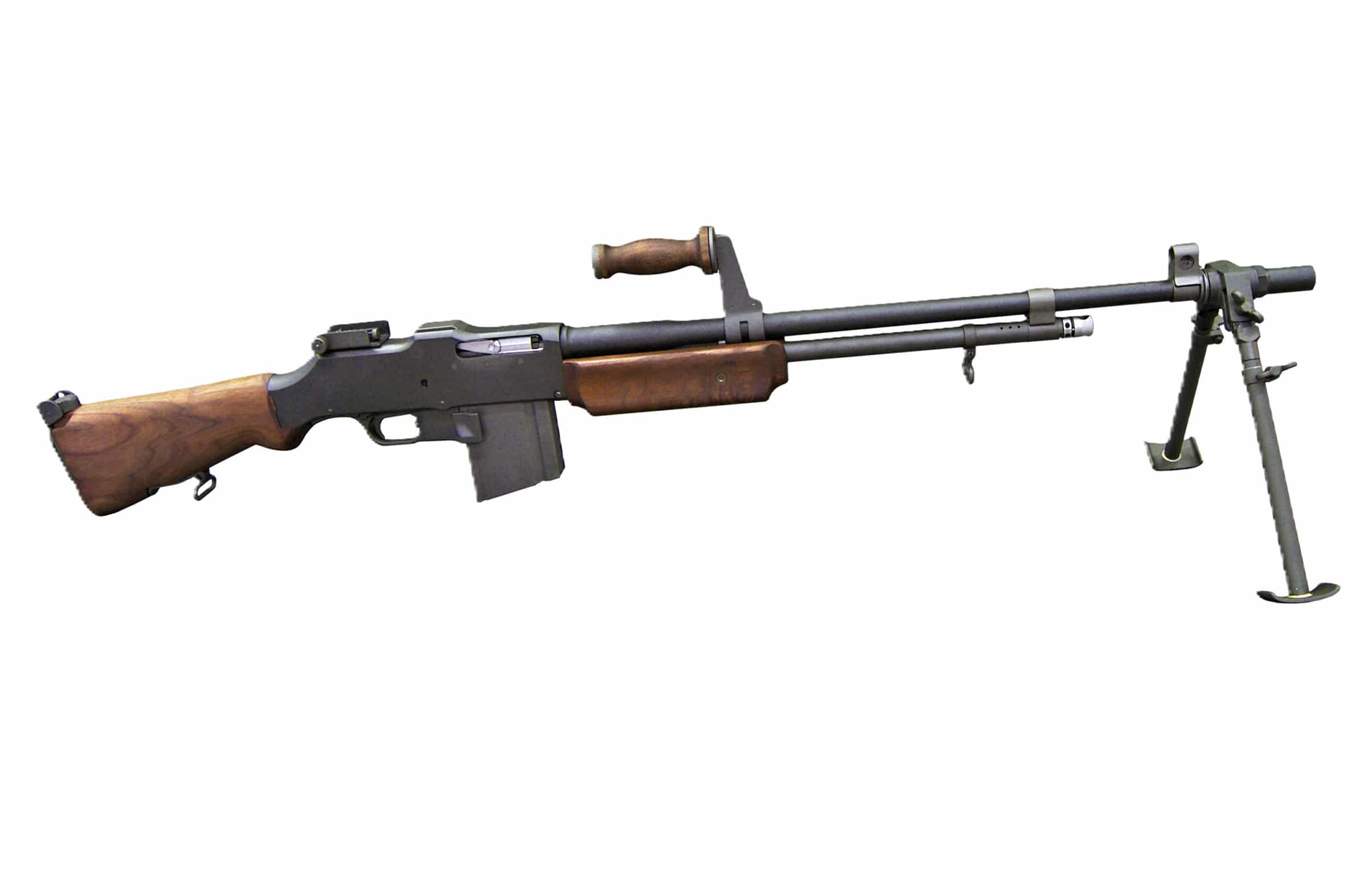
M1918 BAR
The Browning Automatic Rifle was John Moses Browning's shoulder-fired automatic weapon, adopted by the United States Army in 1918 and the… Continued…
-
M1919 Browning Machine Gun
The M1919 Browning is John Browning's water-cooled M1917 machine gun made air-cooled: a short-recoil, belt-fed .30-06 weapon that armed… Continued…
-
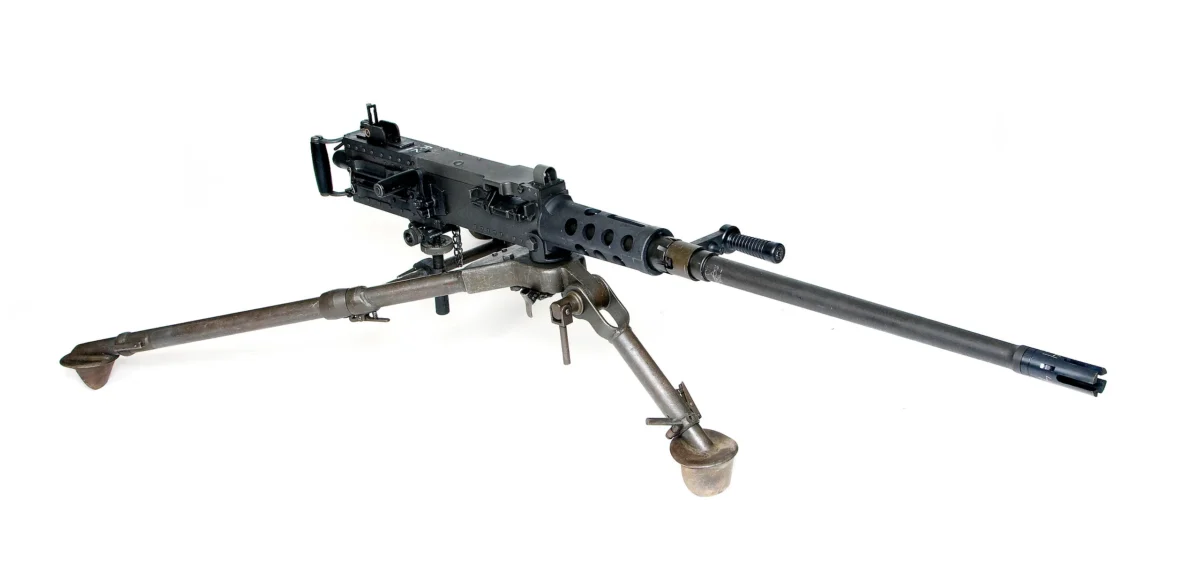
M2 Browning Machine Gun
The M2 is the American heavy machine gun of .50 caliber, designed by John Browning at the end of the First World War and adopted in its… Continued…
-
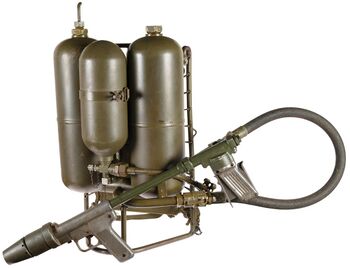
M2 Flamethrower
The M2 was the American portable flamethrower of the late Second World War and the Korean War. It was a backpack with two fuel tanks and a… Continued…
-
M2010 Enhanced Sniper Rifle
The M2010 Enhanced Sniper Rifle is a US Army bolt-action sniper rifle in .300 Winchester Magnum, made by rebuilding existing M24 rifles… Continued…
-
M203 Grenade Launcher
The M203 is a single-shot 40 mm grenade launcher that clips under the barrel of an M16 rifle or M4 carbine. Developed by the AAI… Continued…
-
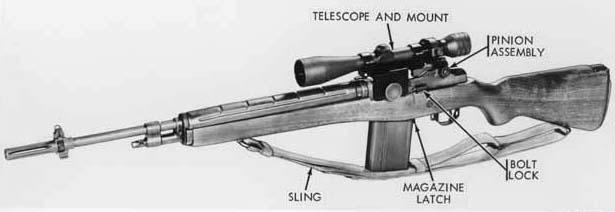
M21 Sniper Weapon System
The M21 Sniper Weapon System was the United States Army's sniper rifle from 1969 to 1988: a National Match M14 selected for accuracy… Continued…
-
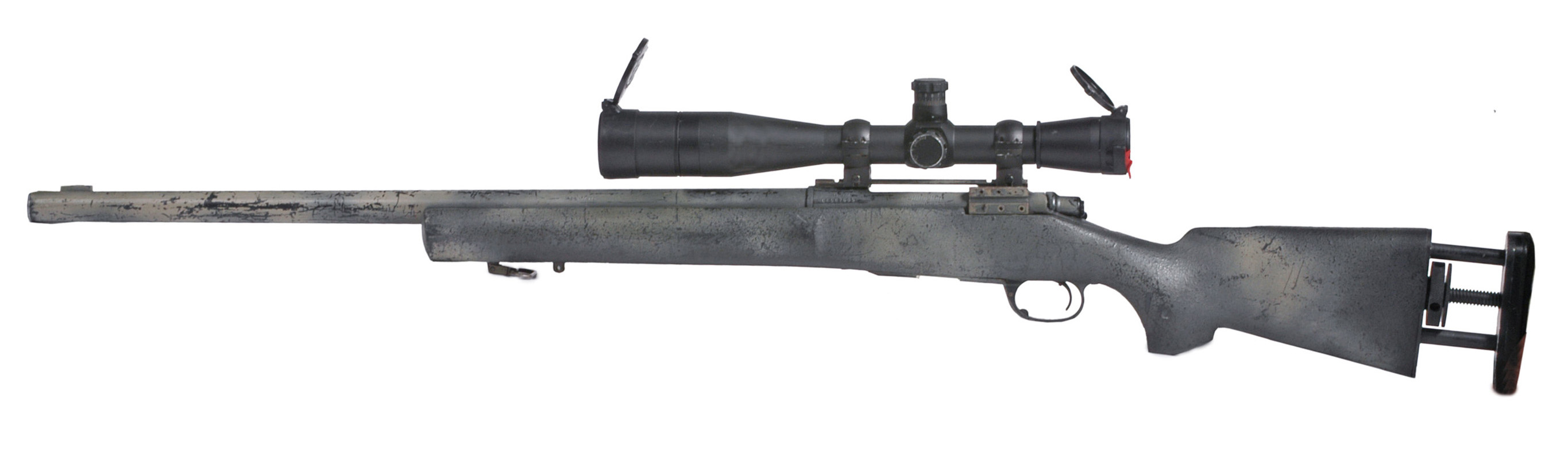
M24 Sniper Weapon System
The M24 Sniper Weapon System was the United States Army's standard sniper rifle from 1988 until the 2010s: a Remington Model 700 long… Continued…
-
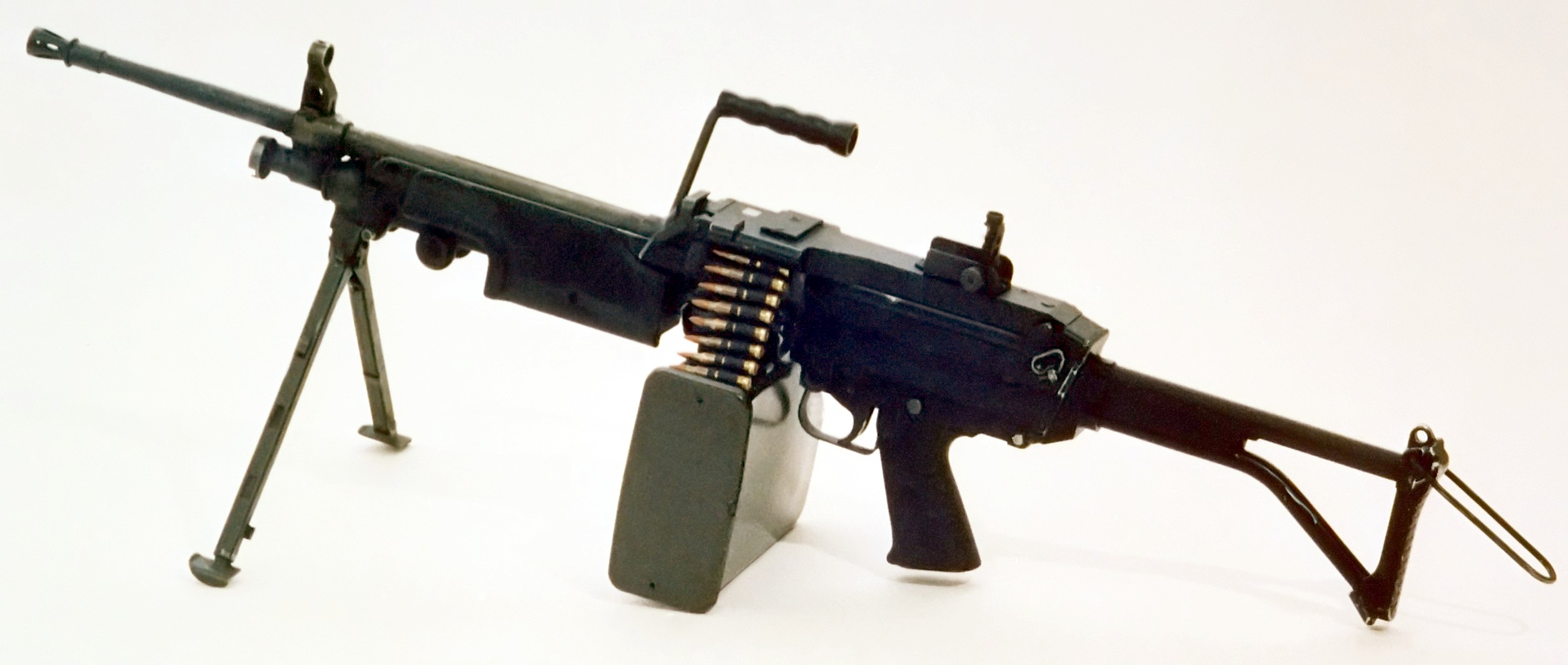
M249 Squad Automatic Weapon
The M249 Squad Automatic Weapon is the American version of the Belgian FN Minimi: a gas-operated, belt-fed 5.56mm light machine gun light… Continued…
-
M26 Grenade
The M26 was the standard American fragmentation hand grenade of the Vietnam War. Adopted in the early 1950s to replace the cast-iron Mk 2… Continued…
-
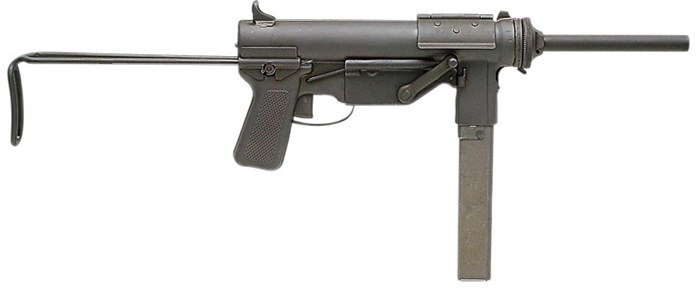
M3 Grease Gun
The M3 'Grease Gun' was America's Sten: a .45 caliber submachine gun of stamped steel and welded seams, designed in 1942 to replace the… Continued…
-
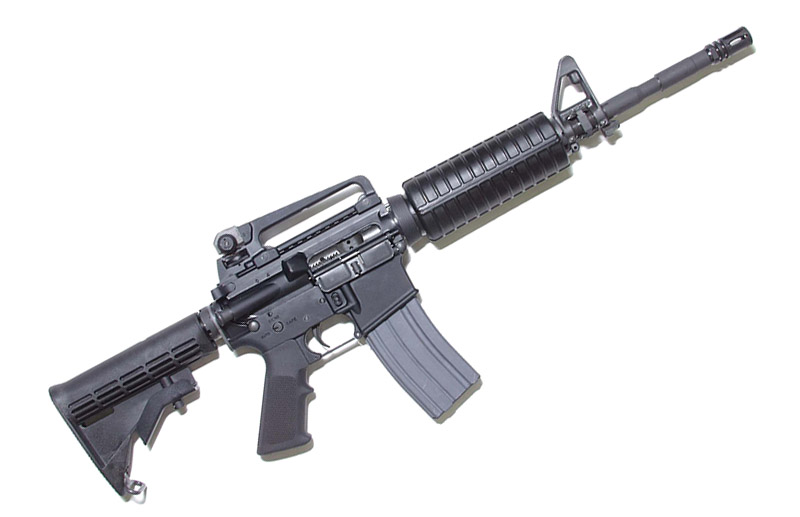
M4 Carbine
The M4 carbine is a shortened, lighter version of the M16 rifle, made by Colt and adopted by the US Army in 1994. It has a 14.5-inch… Continued…
-
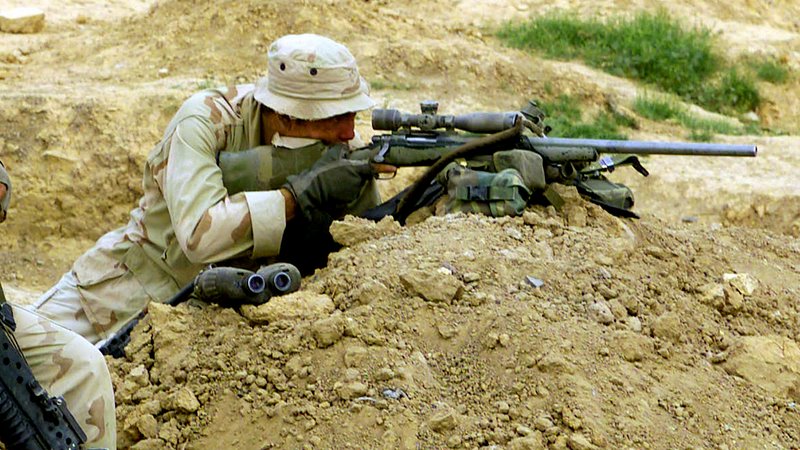
M40 Rifle
The M40 is the bolt-action sniper rifle of the US Marine Corps, adopted in 1966 and in service in successive versions until the 2010s. The… Continued…
-
M60 Machine Gun
The M60 was the United States' first general-purpose machine gun: a belt-fed 7.62mm weapon light enough for one soldier to carry on the… Continued…
-
M67 Grenade
The M67 is the standard fragmentation hand grenade of the United States armed forces. Adopted in the late 1960s, it is a smooth steel… Continued…
-
M72 LAW
The M72 LAW is an American 66 mm anti-tank rocket in a disposable, telescoping launch tube. Adopted by the US Army and Marine Corps in… Continued…
-
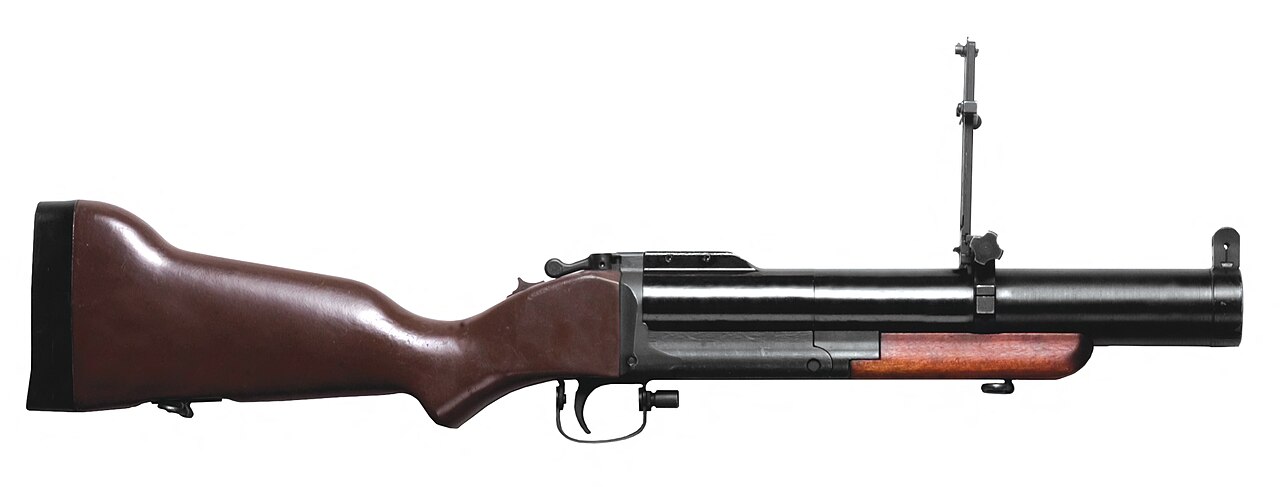
M79 Grenade Launcher
The M79 is a single-shot, break-open, shoulder-fired grenade launcher that fires a 40x46mm low-velocity grenade to about 400 meters… Continued…
-
MAC-10
The MAC-10, properly the Ingram M10, is a very compact submachine gun designed by the American engineer Gordon Ingram in the 1960s and made… Continued…
-
Marine Raider Stiletto
The Marine Raider stiletto is the U.S. Marine Corps' copy of the British Fairbairn-Sykes fighting knife: a slim double-edged dagger… Continued…
-
Mark 13 Torpedo
The Mark 13 was the standard aerial torpedo of the United States Navy in the Second World War, carried by the TBD Devastator and TBF… Continued…
-
Mark I Trench Knife
The Mark I trench knife of 1918 is the most recognizable close-combat weapon of the Great War: a double-edged dagger blade beneath a cast… Continued…
-
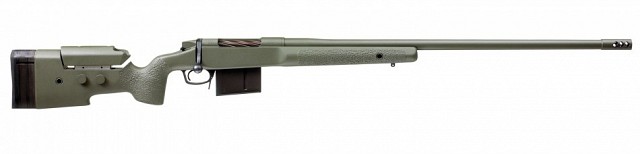
McMillan TAC-338
The McMillan TAC-338 is a bolt action sniper rifle built by McMillan Firearms of Phoenix, Arizona, and chambered for the powerful .338… Continued…
-
Minié Ball
The Minié ball is the conical, hollow-based lead bullet that made the rifled musket a practical infantry weapon. Developed by the French… Continued…
-
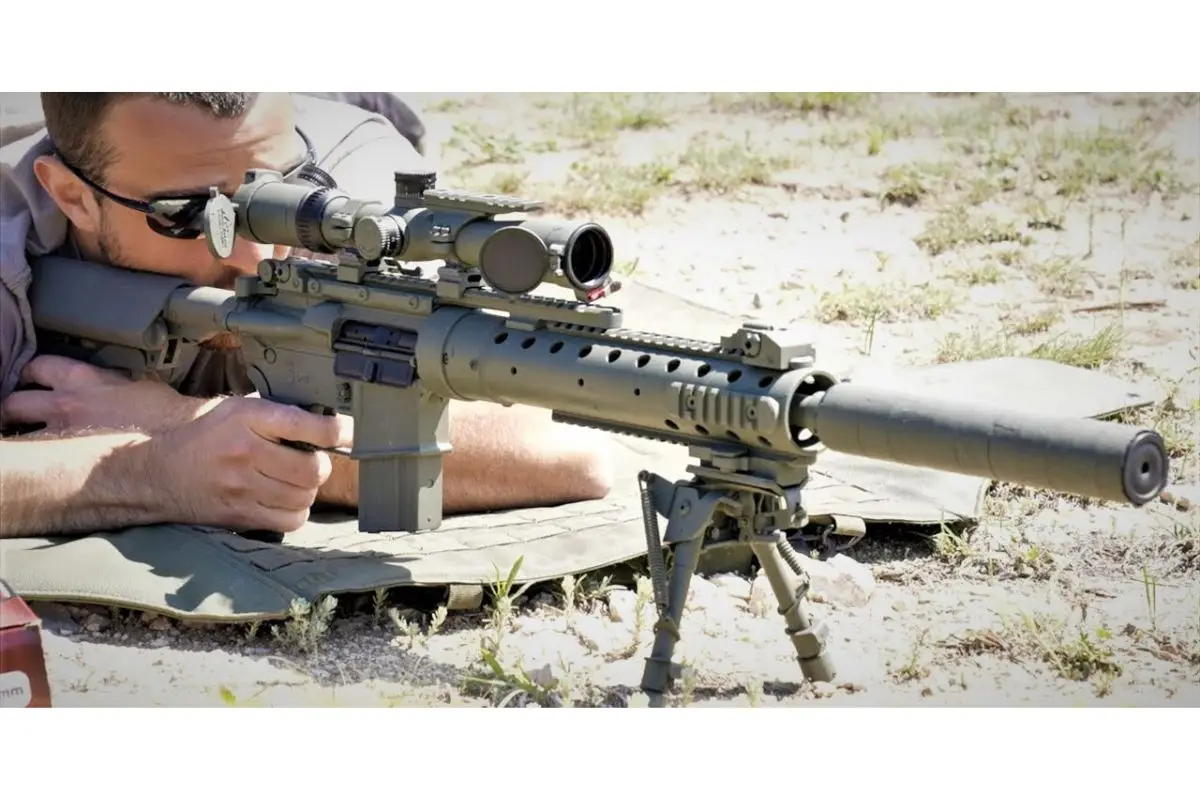
Mk 12 Special Purpose Rifle
The Mk 12 Special Purpose Rifle (SPR) was a precision rifle built on the M16/AR-15 pattern for US special operations forces. Developed in… Continued…
-
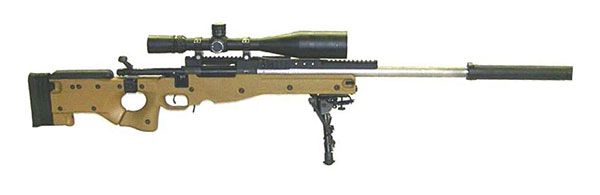
Mk 13 Rifle
The Mk 13 is an American bolt-action sniper rifle chambered for .300 Winchester Magnum, built by the Naval Surface Warfare Center at Crane… Continued…
-
Mk 2 Fragmentation Grenade
The Mk 2 was the standard American fragmentation hand grenade from the end of the First World War into the Vietnam War. Its cast-iron body… Continued…
-
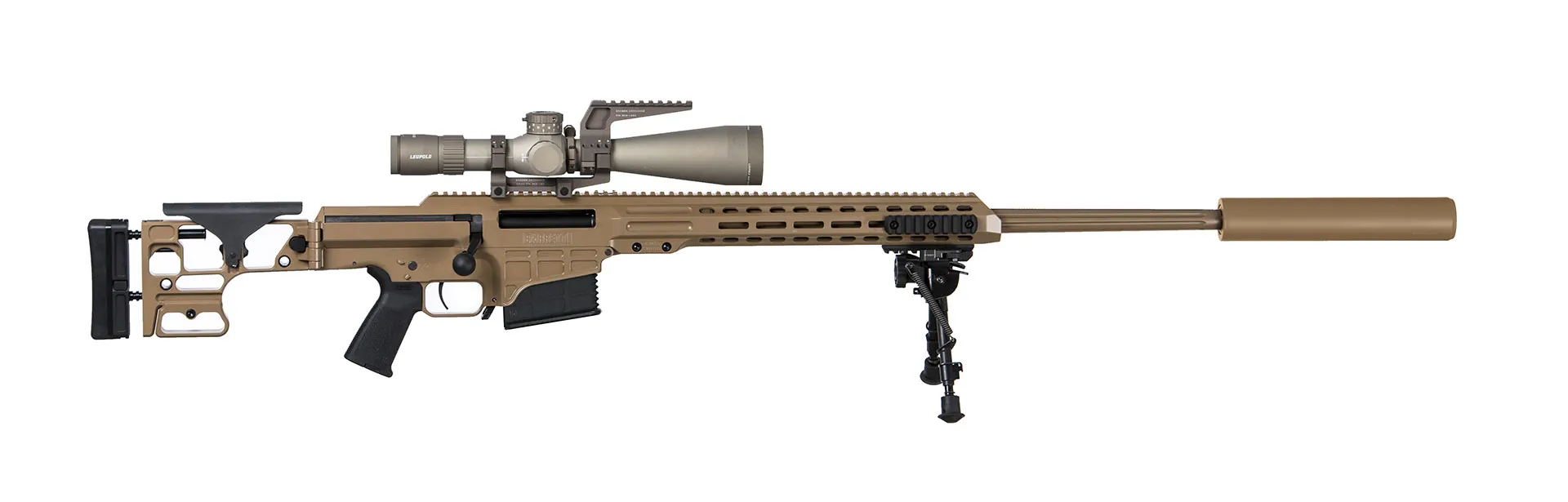
Mk 22 Advanced Sniper Rifle
The Mk22 Advanced Sniper Rifle is a multi-caliber bolt-action sniper rifle based on the Barrett MRAD, chosen by US Special Operations… Continued…
-
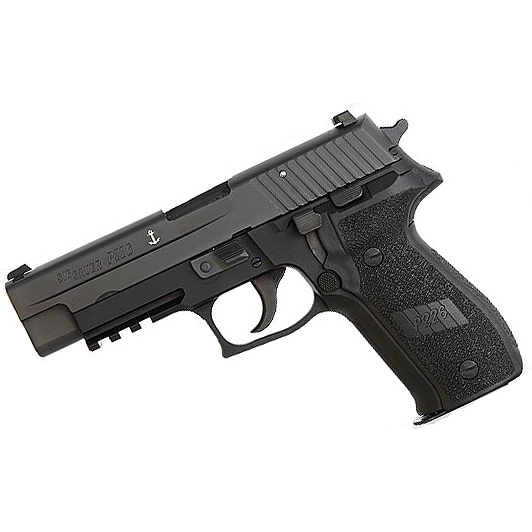
Mk 25
The Mk 25 is the United States Navy's designation for the SIG Sauer P226 as carried by the Navy SEALs: a standard P226 in 9mm with a… Continued…
-
Model 1850 Foot Officer's Sword
The Model 1850 Foot Officer's Sword was the regulation sword of company-grade infantry officers of the United States Army from 1850 until… Continued…
-
Model 1860 Light Cavalry Saber
The Model 1860 Light Cavalry Saber was the standard edged weapon of the Union horseman: a curved, single-edged blade of about 35 inches in… Continued…
-
Napoleon 12-Pounder
The 12-pounder Napoleon was the most common field gun of the American Civil War: a bronze smoothbore gun-howitzer of 4.62-inch bore… Continued…
-
PASGT Helmet
The PASGT helmet was the standard combat helmet of the United States armed forces from the early 1980s until the mid-2000s. Its name stands… Continued…
-
Parrott Rifle
The Parrott rifle was a family of muzzle-loading rifled cannon designed by Robert Parker Parrott and made at the West Point Foundry in Cold… Continued…
-
Pattern 1853 Enfield
The Pattern 1853 Enfield was the British Army's .577 caliber percussion rifle-musket, adopted in 1853 and made at the Royal Small Arms… Continued…
-
Plate Carrier
A plate carrier is a piece of body armor equipment: a load-bearing vest built to hold hard ballistic plates over the chest and back, the… Continued…
-
Raufoss Mk 211
The Raufoss Mk 211 is a .50 caliber (12.7x99mm) multipurpose cartridge developed in Norway by Raufoss, now part of the Nammo group. Its… Continued…
-
Remington 1858 New Model Army
The Remington New Model Army was the second great Union revolver of the American Civil War: a six-shot .44 caliber percussion revolver… Continued…
-
Remington 870
The Remington 870 is a pump-action shotgun made by Remington Arms since 1950. With a steel receiver machined from a solid block and twin… Continued…
-
Remington Model 1875
The Remington Model 1875 was Remington's answer to the Colt Peacemaker: a big single-action Army revolver in .44 and .45 calibers, built on… Continued…
-
Remington Rolling Block
The Remington rolling block was a single-shot breech-loading rifle made by E. Remington and Sons of Ilion, New York, from the mid-1860s.… Continued…
-
SIG MCX
The SIG MCX is a family of gas-piston rifles and carbines introduced by SIG Sauer in 2015. It keeps the controls, ergonomics and magazines… Continued…
-
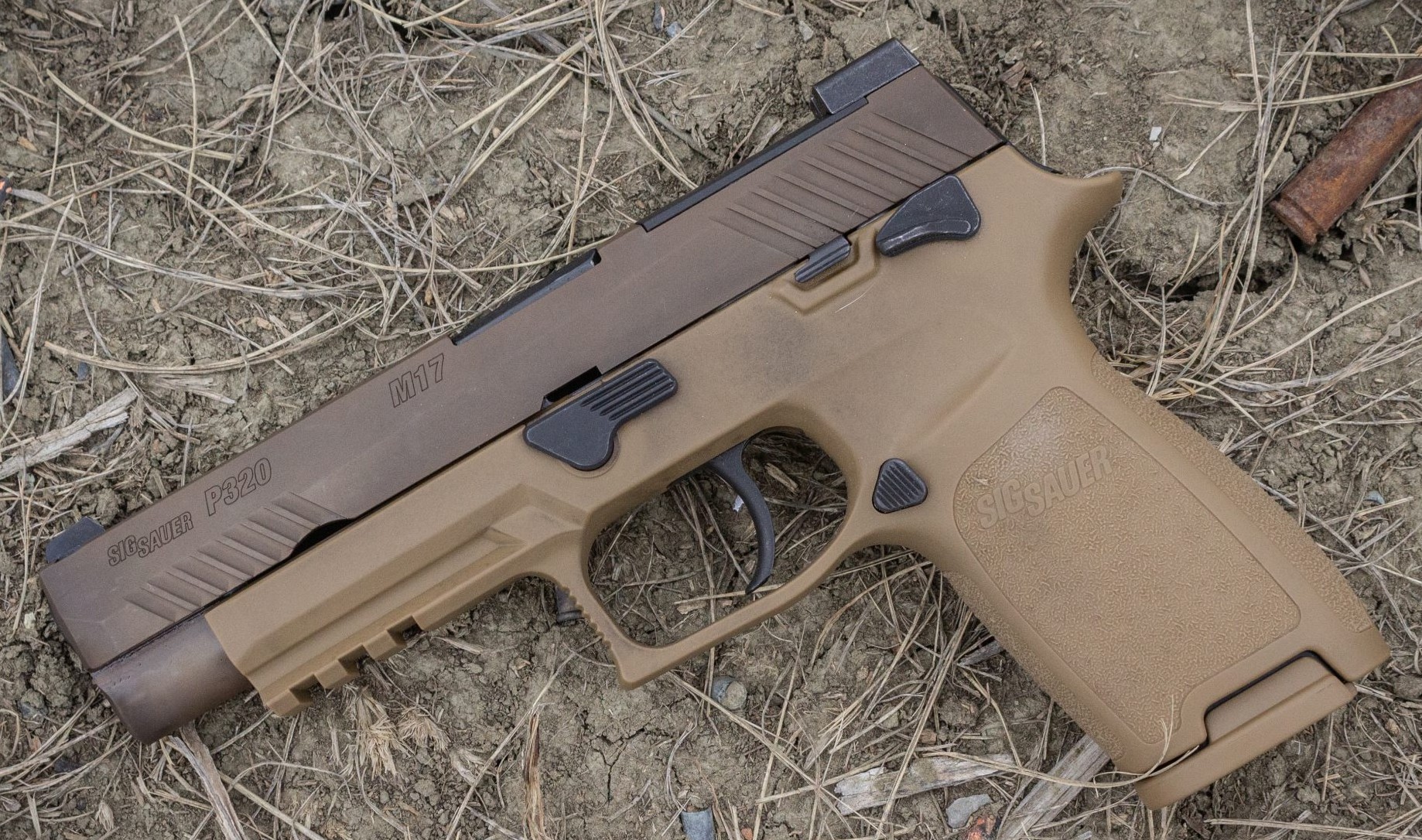
SIG Sauer M17
The M17 and its compact sibling the M18 are the service pistols of the United States armed forces, variants of the SIG Sauer P320 selected… Continued…
-
Satchel Charge
A satchel charge is a bag of explosive blocks, with a carrying strap and a fuse, that a soldier throws or places against a bunker, pillbox… Continued…
-
Sharps Rifle
The Sharps was the finest breech-loading rifle of the American Civil War and the buffalo hunter's gun of the plains that followed.… Continued…
-
Siege Mortar
A siege mortar was a short, wide-mouthed cannon that fired at a high angle, so that its projectile rose over walls and earthworks and fell… Continued…
-
Spontoon
The spontoon, or espontoon, was a short pike of about six to seven feet carried by infantry officers, and later by sergeants, in European… Continued…
-
Springfield Model 1842
The Springfield Model 1842 was the United States Army's first regulation percussion musket and the last of its .69 caliber smoothbores.… Continued…
-
Springfield Model 1861
The Springfield Model 1861 was the standard infantry arm of the Union in the Civil War: a .58 caliber single-shot muzzleloading… Continued…
-
Springfield Model 1873
The Springfield Model 1873, known as the Trapdoor Springfield, was the standard rifle and carbine of the United States Army from 1873 until… Continued…
-
Thompson Submachine Gun
The Thompson was America's first submachine gun: a .45 ACP automatic designed as a trench broom for a war that ended before it shipped.… Continued…
-
Winchester Model 1866
The Winchester Model 1866 — the Yellow Boy, for its gleaming brass receiver — was the first rifle to carry the Winchester name: the Civil… Continued…
-
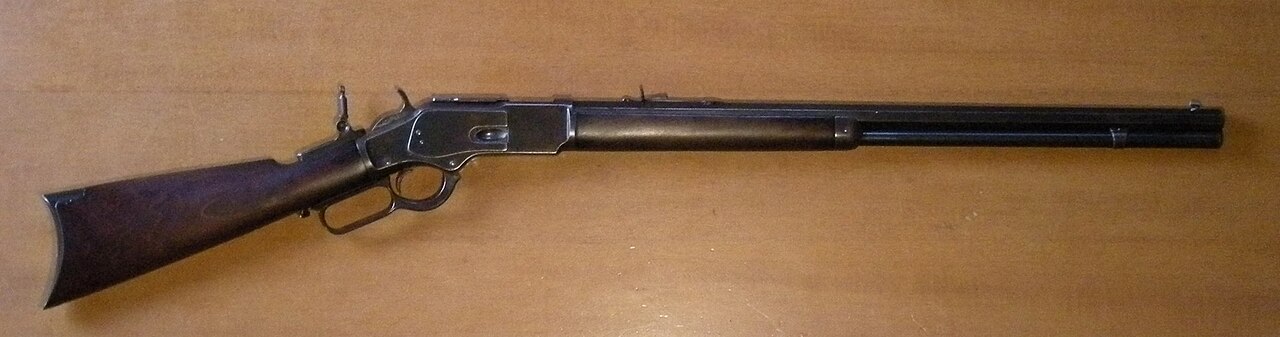
Winchester Model 1873
The Winchester Model 1873 is the archetypal lever-action of the American West: an iron-then-steel-framed repeater feeding centerfire .44-40… Continued…
-
Winchester Model 1892
The Winchester Model 1892 was John Browning's compact masterpiece of the lever-action line: the pistol-caliber Winchester rebuilt around… Continued…
-
Winchester Model 1897
The Winchester Model 1897 is a pump-action shotgun designed by John Moses Browning and made by Winchester from 1897 to 1957. An improved… Continued…