Historical Context
Norman Conquest
William of Normandy's conquest of Anglo-Saxon England, decided at Hastings in 1066 and completed by 1072. The Norman combination of mounted knights, archers and castles overcame the Anglo-Saxon shield wall and its axe-armed housecarls.
1066 – c. 1072
Overview
When Edward the Confessor died childless in January 1066, the English crown was claimed by three men: Harold Godwinson, the most powerful earl in England, who was crowned at once; Harald Hardrada, king of Norway; and William, Duke of Normandy, who said Edward had promised him the throne. Harald Hardrada landed first, in the north, and was defeated and killed by Harold at Stamford Bridge on 25 September. Three days later William landed at Pevensey on the south coast. Harold marched south and met him at the Battle of Hastings on 14 October, where the English were defeated and Harold was killed. William was crowned on Christmas Day 1066, but it took him years of campaigning, rebellion and repression, including the devastation of northern England known as the Harrying of the North, to secure the kingdom by about 1072.
Weapons of the English
The Anglo-Saxon army fought on foot. Its core was the housecarls, the professional retainers of the king and earls, in mail and helmets, many wielding the long two-handed Dane Axe. With the local levies of the fyrd they formed a shield wall, a dense line of overlapping shields that was very hard to break with a frontal attack. Swords, spears, javelins and the Seax were common, but the English had few archers at Hastings and no cavalry.
Weapons of the Normans
William's army combined three arms. His mounted knights wore the Mail Hauberk and a conical helmet, carried the tall Norman Kite Shield and fought with lance and sword. His archers and crossbowmen could strike the shield wall from a distance. The combination, rather than any one weapon, decided Hastings: repeated cavalry attacks, feigned retreats that drew parts of the English line out of position, and archery that wore it down until it broke.
Legacy
The conquest replaced the English aristocracy with a Norman one, filled the country with castles, and reshaped the English language, law and church. It is the best-illustrated war of the Middle Ages: the Bayeux Tapestry shows its arms and armor in detail, and it is still the main visual source for eleventh-century warfare.
Battles & Operations
-
Battle of Hastings (14 October 1066)
The Battle of Hastings, fought on 14 October 1066 on a ridge north of Hastings in Sussex, decided the Norman Conquest of England. King… Continued…
-
The Battle of Stamford Bridge (25 September 1066)
The Battle of Stamford Bridge was fought on 25 September 1066 near York between the English army of King Harold Godwinson and a Norwegian… Continued…
Weapons
-
Crossbow
The crossbow put a bow on a stock, held its own draw, and released on a trigger — trading the archer's lifetime of training for a weapon… Continued…
-
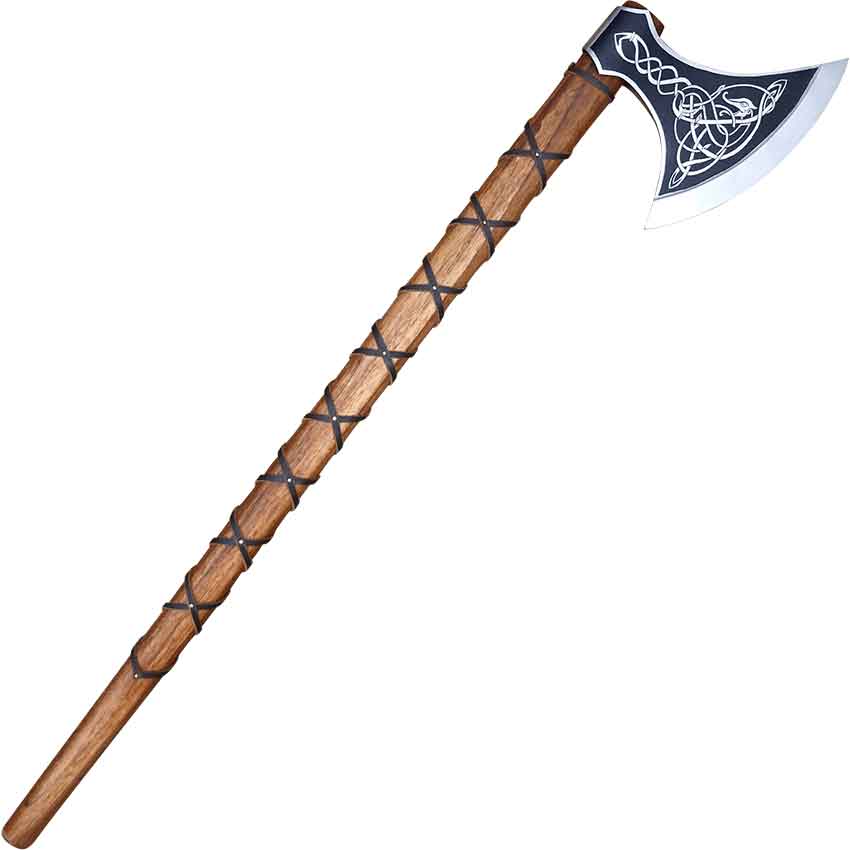
Dane Axe
The Dane axe is the great two-handed axe of the Viking Age and its aftermath: a thin, broad, crescent-edged head on a haft about a meter… Continued…
-
Knight's Lance
The knight's lance was the defining weapon of medieval European heavy cavalry: a long wooden shaft with an iron head, held tight under the… Continued…
-
Mail Hauberk
The mail hauberk was the principal body armor of European warriors for most of the Middle Ages: a long shirt of thousands of interlinked… Continued…
-
Norman Kite Shield
The kite shield is the long, round-topped, tapering shield carried by the Norman knights of the Bayeux Tapestry and by armored horsemen… Continued…
-
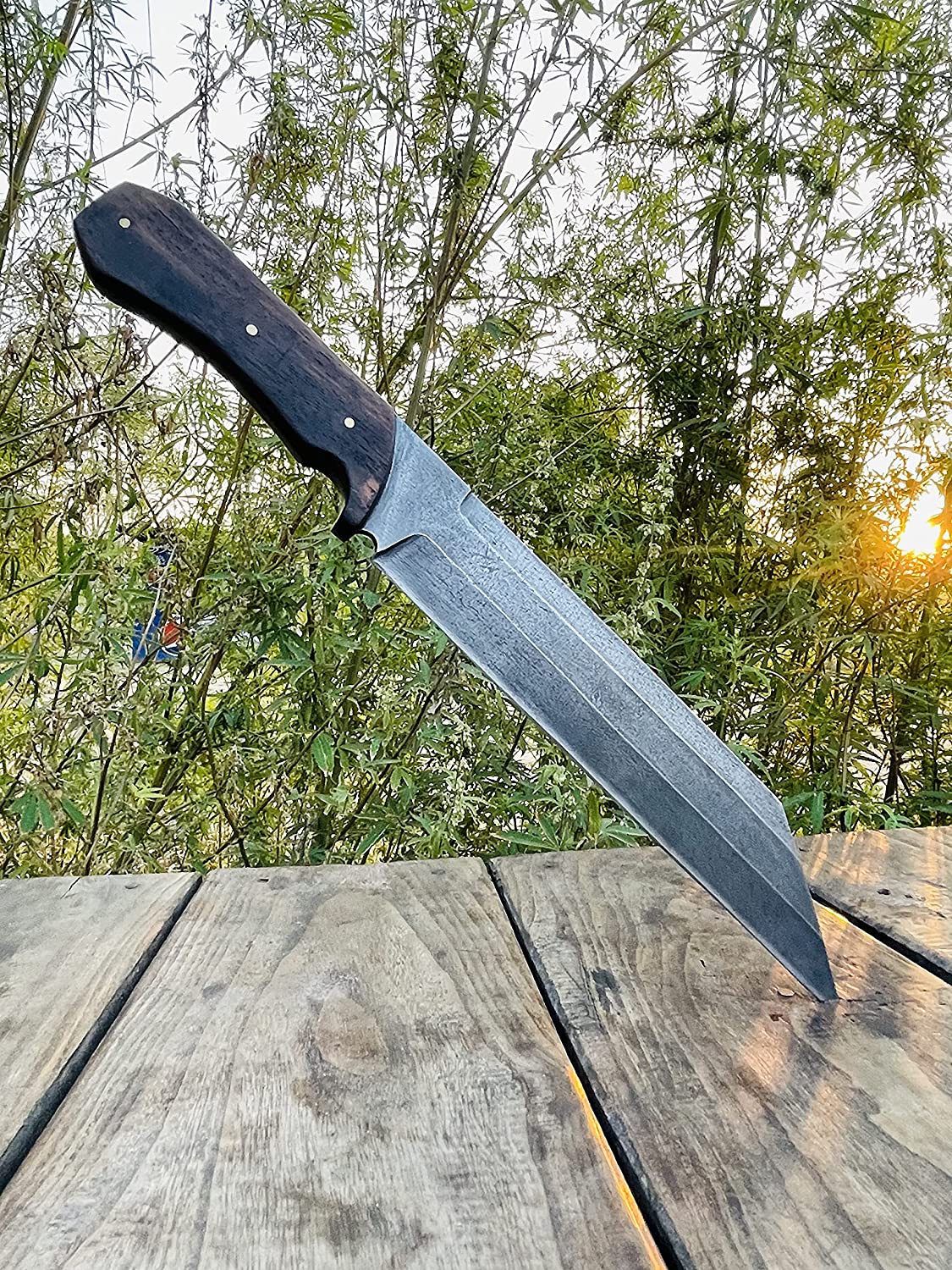
Seax
The seax is the single-edged knife of the early medieval Germanic peoples, carried from the fifth to the eleventh century by Franks… Continued…
-
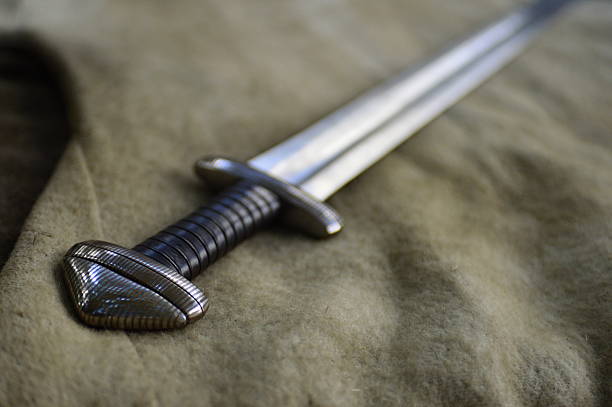
Ulfberht Sword
The Ulfberht swords are a group of about 170 early medieval sword blades inscribed with the name +VLFBERH+T, made between the ninth and… Continued…
-
Viking Battle Axe
The battle axe was the most distinctively Norse weapon of the Viking Age. From the one-handed bearded axe that doubled as a farm tool to… Continued…
-
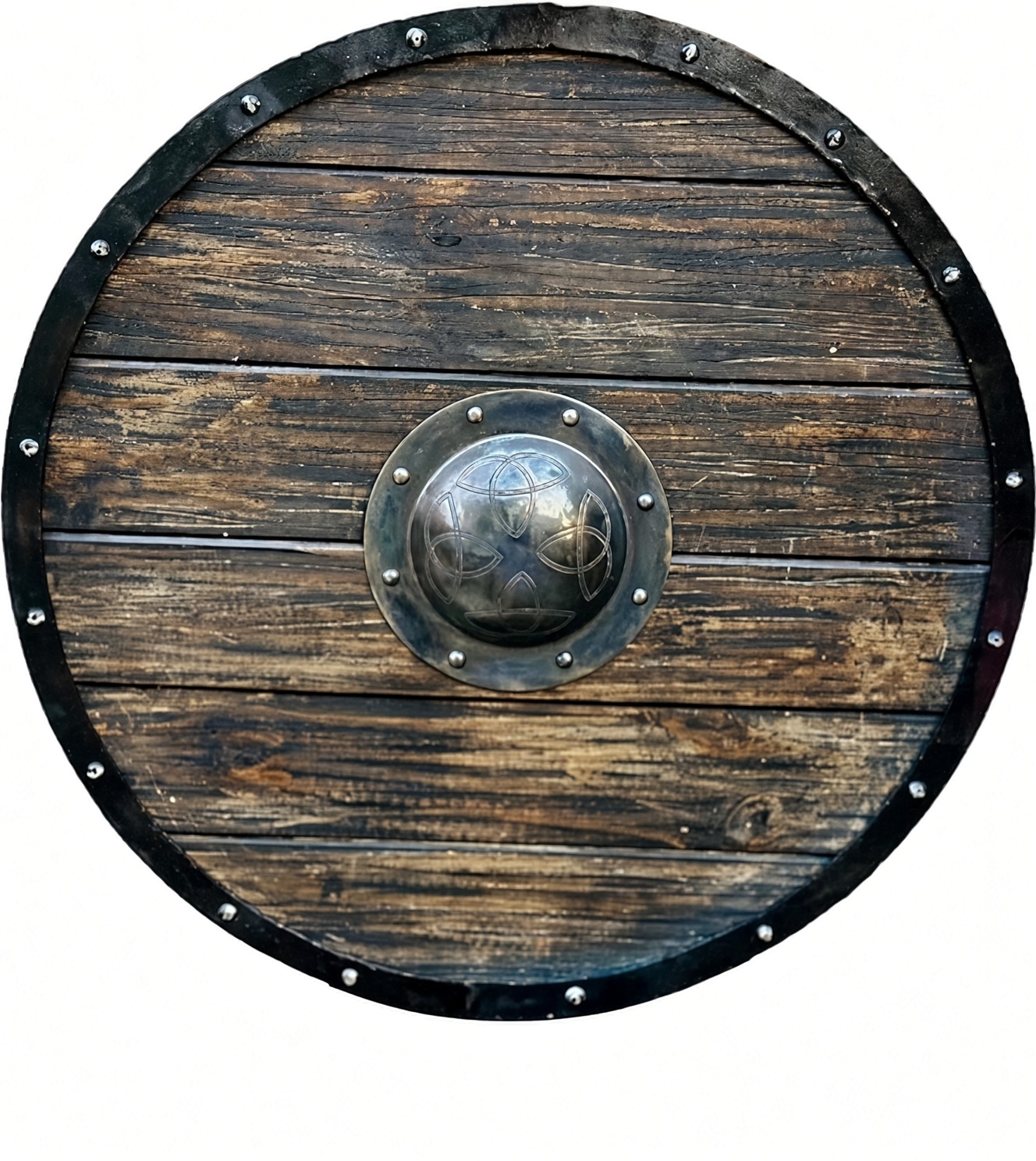
Viking Round Shield
The round shield was the main defense of the Viking warrior: a disc of wooden boards, usually about 80 to 95 centimeters across, with an… Continued…
-
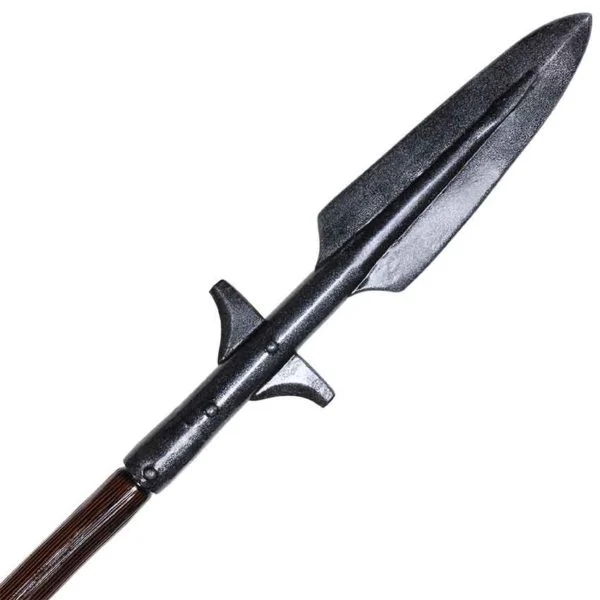
Viking Spear
The spear was the most common weapon of the Viking Age, carried by farmers and kings alike. It had an iron head, socketed onto an ash shaft… Continued…