The Battle of Stamford Bridge
The Battle of Stamford Bridge was fought on 25 September 1066 near York between the English army of King Harold Godwinson and a Norwegian invasion force under King Harald Hardrada and Harold's exiled brother Tostig. Harold marched from London in less than a week and caught the Norwegians unprepared and without their mail. Hardrada and Tostig were killed and the survivors sailed home in a fraction of their ships. The battle ended the Viking age in England, and nineteen days later Harold fell to William of Normandy at Hastings.
Also known as Battle of Stamford Bridge, Stamford Bridge 1066, Stamfordbridge, Harald Hardrada's invasion, Norwegian invasion of 1066, Battle of Stamford Brigg
Background
Edward the Confessor died in January 1066 and Harold Godwinson, the most powerful earl in England, was crowned the next day. Two rivals prepared to take the throne from him. Duke William of Normandy claimed Edward had promised it to him, and in Norway King Harald Sigurdsson, called Hardrada, the "hard ruler," pressed an older claim through a treaty between earlier kings. Harald had spent his youth as a captain of the Varangian Guard in Constantinople and had fought for thirty years. Harold's own brother Tostig, driven out of his earldom of Northumbria the year before, joined the Norwegian king. In September Harald sailed with a fleet the chronicles put at about 300 ships, perhaps 9,000 men, gathered Tostig's followers and landed on the Ouse south of York. On 20 September at Fulford he destroyed the army of the northern earls Edwin and Morcar, and York agreed to surrender and give hostages.
Harold was in the south waiting for William. When news of the landing reached him he marched his housecarls north, calling out the fyrd as he went, and covered the roughly 185 miles to Yorkshire in about five days.
The Battle
The Norwegians had arranged to collect the York hostages at Stamford Bridge, where the road crossed the River Derwent some seven miles east of the city. On the morning of 25 September Harald and Tostig went there with about two thirds of the army. It was a hot day, and the sagas say the men left their mail shirts at the ships at Riccall, ten miles away, taking only helmets, shields, spears and swords. Harold's army came through York and down the road from the west, and the Norwegians first saw it as a cloud of dust and a glitter of weapons, "like a field of broken ice."
Harald sent riders to Riccall for the rest of his men and drew up on the east bank. The Anglo-Saxon Chronicle adds that a single Norwegian held the bridge with an axe against the whole English army until a man floated under it in a barrel and speared him from below. The English then crossed and attacked the Norwegian shield ring. The fighting lasted most of the day. Harald, in the sagas, fought in front of his banner "Land-Waster" without armor and was killed by an arrow in the throat. Tostig took up the banner and refused Harold's offer of peace, and the line broke around him. Late in the day Eystein Orri arrived from the ships with the reserve, in full mail after running ten miles in the heat, and his charge, remembered as "Orri's storm," briefly drove the English back before it too collapsed. Eystein was killed, and the survivors fled to the ships with the English in pursuit.
Weapons
Both armies fought on foot in the shield wall, the Norwegians behind the Viking Round Shield and the English behind round and kite shields. The weapon of the line was the Viking Spear, and the heavy blow came from the Dane Axe, a two-handed weapon carried by Harold's housecarls and by the Norwegian who held the bridge. The rank and file also had the one-handed Viking Battle Axe and the single-edged Seax. Chieftains and housecarls carried swords of the Ulfberht Sword type. The decisive difference was armor. Harold's professional troops wore the Mail Hauberk; most of the Norwegians had left theirs behind, and the sagas blame the disaster on it as much as on the surprise.
Aftermath
Harald Hardrada and Tostig were dead, and the Norwegian losses were so heavy that, by the chronicle's count, the survivors needed only 24 of the 300 ships to sail home under Harald's son Olaf, who swore peace with Harold. The battle is often taken as the end of the Viking age in England. Harold had no time to enjoy it. William landed at Pevensey on 28 September, three days after the battle, and Harold turned his tired army south. On 14 October he was killed at the Battle of Hastings, and the Norman Conquest that followed changed England for good. Historians still argue over how much the march north and the losses at Stamford Bridge weakened the English at Hastings, but the two battles, fought nineteen days apart, are inseparable.
On Screen
The battle has had little screen time beside Hastings. The two-part Channel 4 drama 1066: The Battle for Middle Earth (2009), written by Peter Harness and told from the point of view of ordinary fyrdmen, is the main dramatization and covers Fulford, Stamford Bridge and Hastings in turn. Hardrada's death and the lone axeman on the bridge are staples of documentary reconstructions, and the march from London is a set piece in most television histories of the year 1066.
Weapons used
-
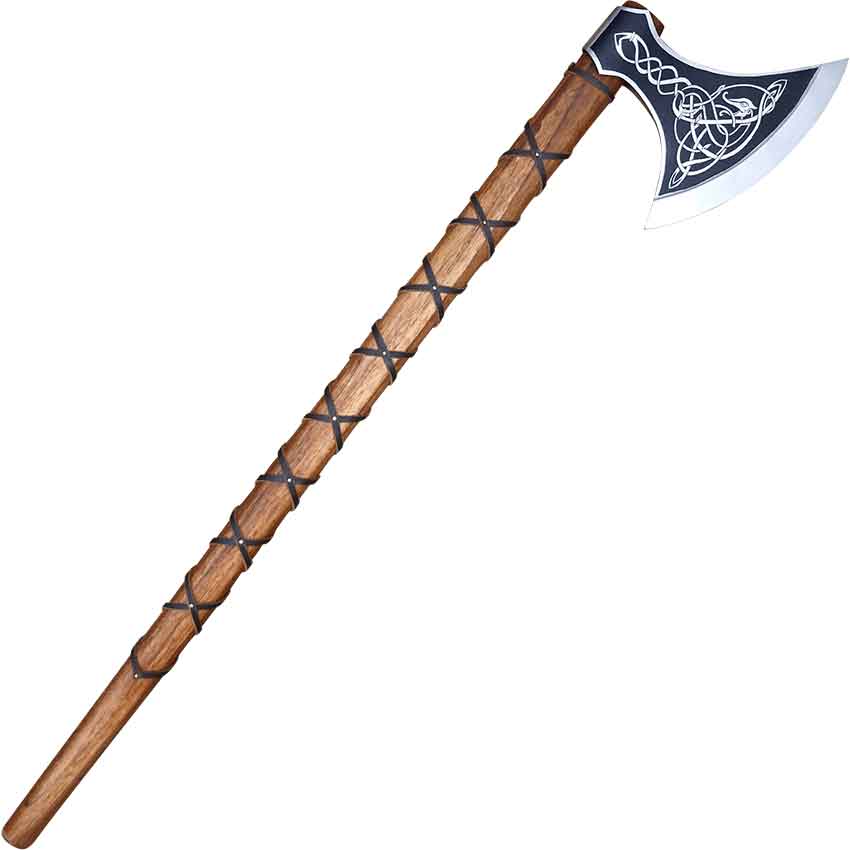
Dane Axe
The two-handed Dane axe was the weapon of Harold's housecarls and of the Norwegian who, the chronicle says, held the bridge alone. Continued…
-
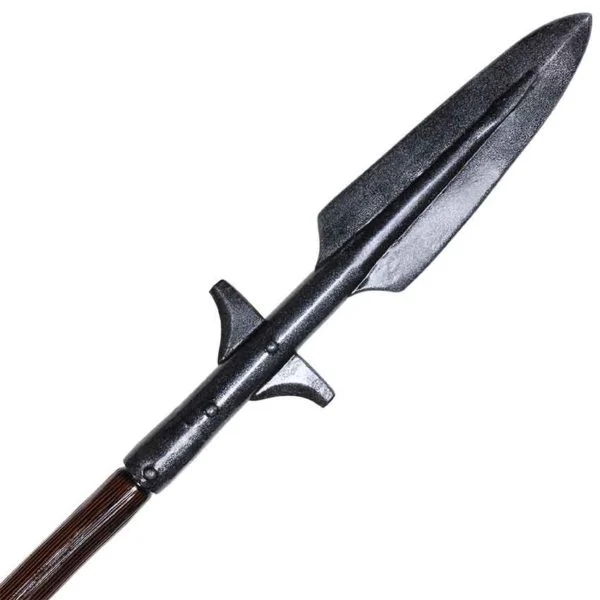
Viking Spear
The spear was the common weapon of both shield walls, thrown and thrust. Continued…
-
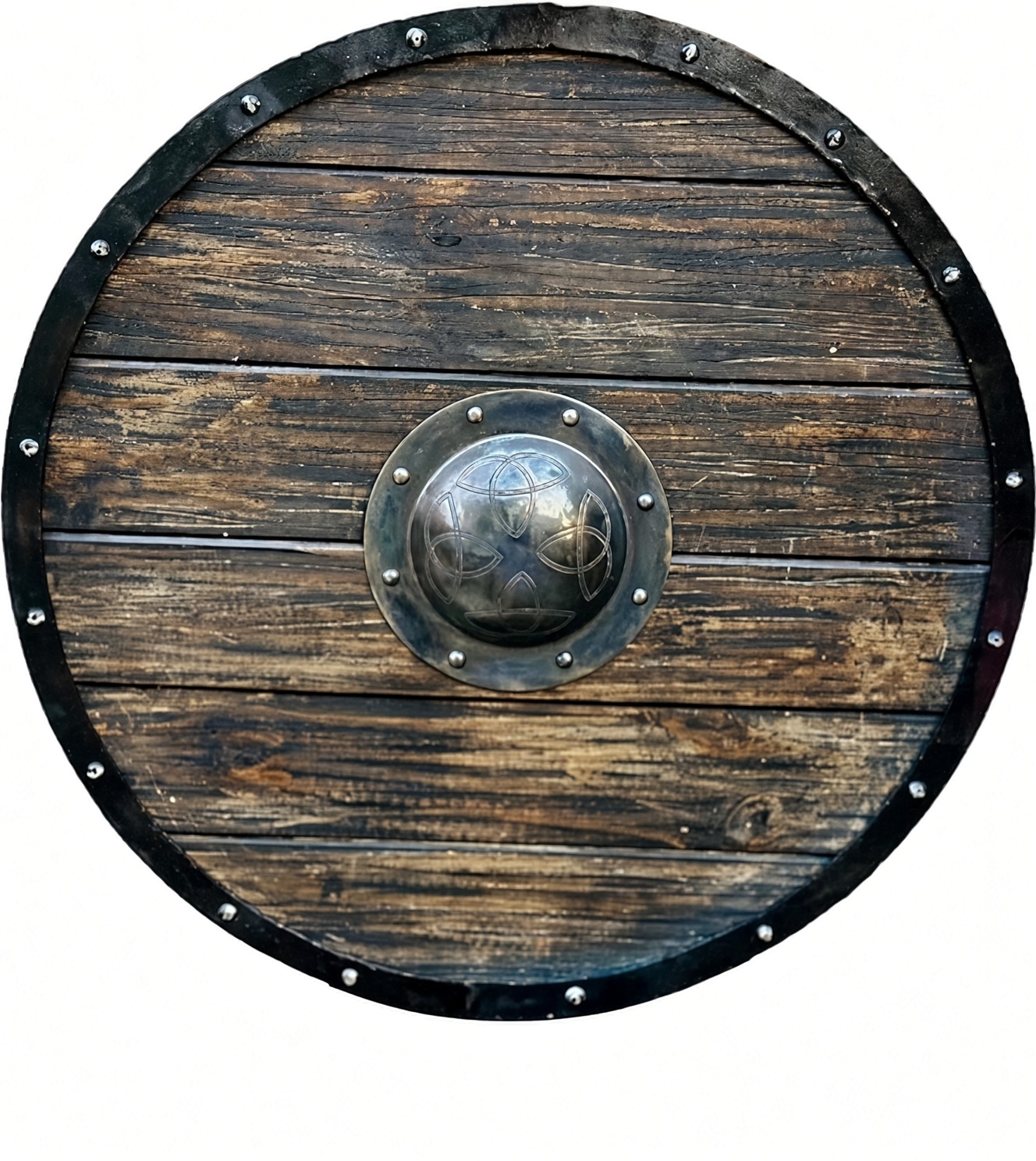
Viking Round Shield
Round shields formed the Norwegian ring on the east bank and the English wall that broke it. Continued…
-
Mail Hauberk
Most of the Norwegians had left their mail at the ships at Riccall, and the sagas blame the slaughter on it. Continued…
-
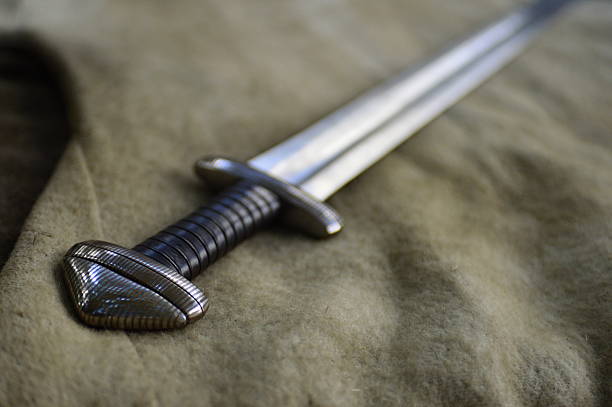
Ulfberht Sword
Swords of the Ulfberht pattern were carried by the wealthier men on both sides. Continued…
-
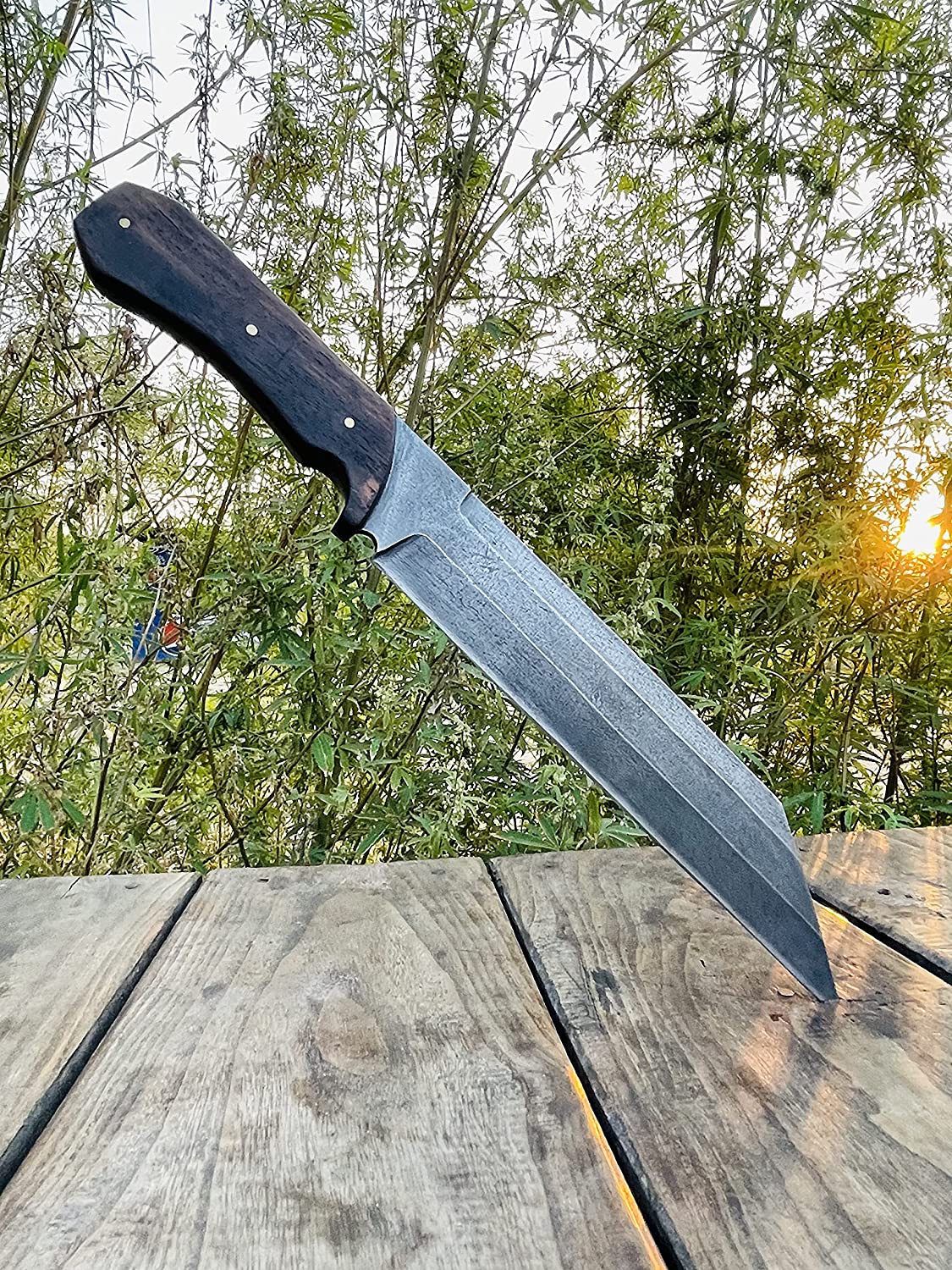
Seax
The single-edged seax was the sidearm of the English fyrd. Continued…
-
Viking Battle AxeFor sale
The one-handed bearded axe was the Norwegian rank and file's weapon beside the spear. Continued…
Sources
The Anglo-Saxon Chronicle. Translated and edited by Michael Swanton. Routledge, 1996.
Snorri Sturluson. King Harald's Saga, from Heimskringla. Translated by Magnus Magnusson and Hermann Palsson. Penguin Classics, 1966.
DeVries, Kelly. The Norwegian Invasion of England in 1066. Boydell Press, 1999.
Suggest an edit · account required · reviewed before publishing · how it works