Origin
Sweden
Sweden had a remarkable period of military dominance in the 17th century under Gustavus Adolphus, who revolutionized infantry tactics combining muskets, pikes, and mobile artillery. Swedish steel production and arms manufacturing remained significant into the modern era.
Overview
Sweden's period of military dominance — the Swedish Empire (Stormaktstiden, "Age of Greatness," c. 1611–1721) — was built on military reforms that combined pike, musket, and mobile artillery more effectively than any contemporary power. King Gustavus Adolphus (r. 1611–1632) is widely regarded as the father of modern warfare, and his innovations shaped European military tactics for generations.
Gustavus Adolphus's Reforms
Infantry
- Reduced pike length from 16–18 feet to 11 feet; lighter and faster
- Increased the proportion of musketeers; issued lighter muskets that could be fired without a forked rest
- Trained musketeers to deliver massed salvo fire rather than the slow countermarch
- Combined infantry and cavalry in coordinated attacks
Artillery
- Introduced light regimental guns — 3-pounder cannon light enough for infantry to drag themselves; gave each infantry regiment its own artillery support
- Standardized ammunition across the army
- Used concentrated battery fire to prepare infantry attacks
Cavalry
- Returned Swedish cavalry to the sword charge, abandoning the slow caracole (ride up, pistol shot, retreat)
- Cavalry charged with drawn sabers, pistols used only at the moment of impact
Modern Swedish Arms
Sweden has a remarkable small-country arms industry:
- Bofors 40mm L/60 and L/70 — The most successful anti-aircraft guns in history; licensed and produced across dozens of countries; still in widespread use
- Carl Gustaf M2/M3 (84mm recoilless rifle) — Multi-purpose infantry weapon; rocket/recoilless; widely used by special forces worldwide including US Army Rangers and Delta Force
- AT4 — Single-shot disposable rocket launcher; lighter replacement for the LAW; used by US and NATO forces
- RBS-70 — Short-range surface-to-air missile system
- Gripen (JAS 39) — Multirole fighter aircraft; exported to several nations
This article is a stub.
Battles & Operations
Weapons
-
Bofors 40 mm Gun
The Bofors 40 mm gun is a light anti-aircraft gun designed by the Swedish firm AB Bofors in the early 1930s. It fired a two-pound explosive… Continued…
-
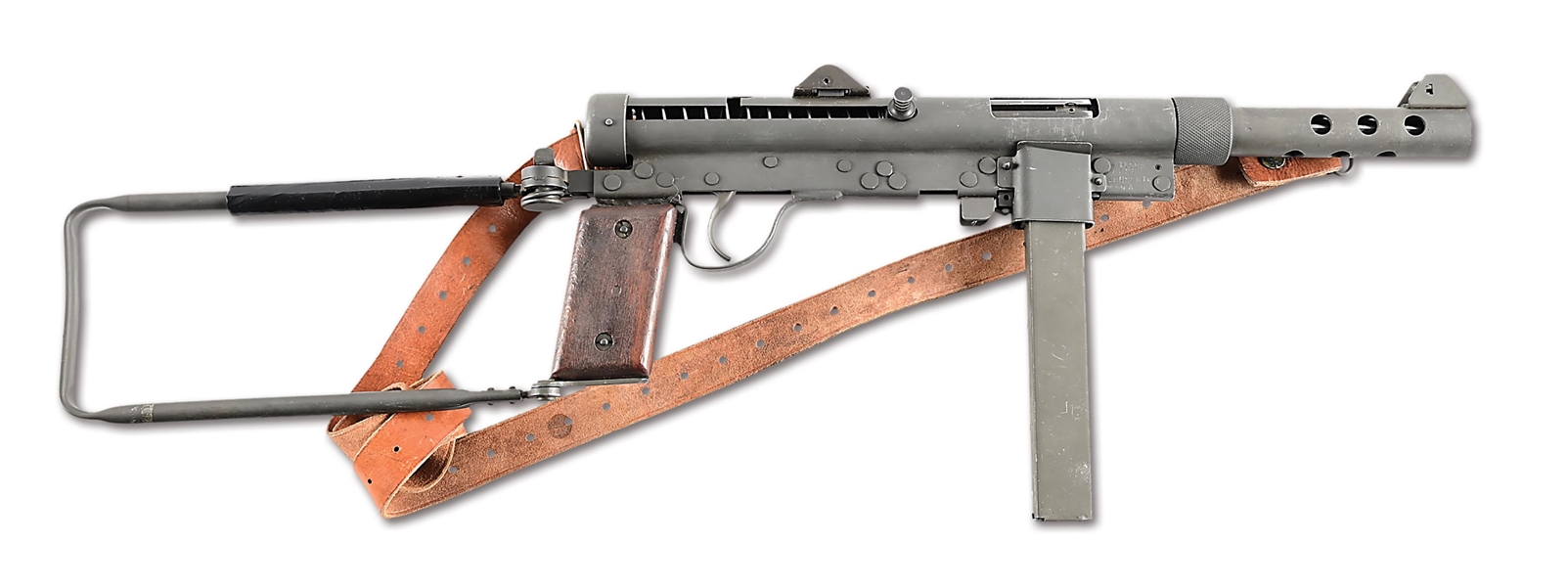
Carl Gustaf m/45
The Carl Gustaf m/45 is a Swedish 9mm submachine gun adopted in 1945 and made at the Carl Gustafs Stads Gevärsfaktori in Eskilstuna.… Continued…
-
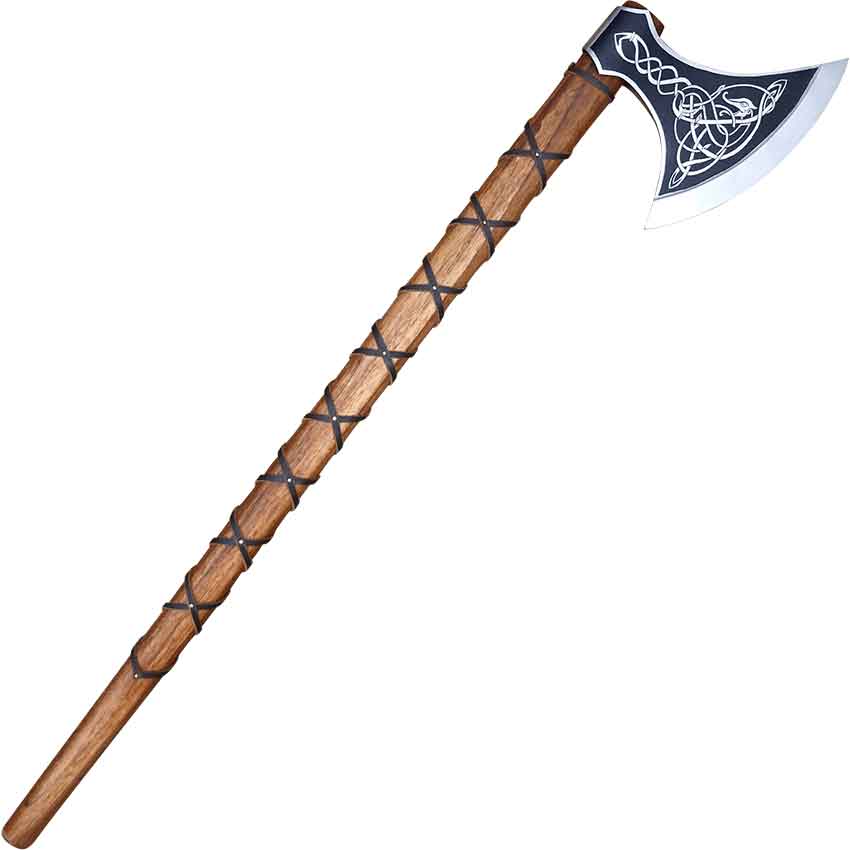
Dane Axe
The Dane axe is the great two-handed axe of the Viking Age and its aftermath: a thin, broad, crescent-edged head on a haft about a meter… Continued…
-
G3 Rifle
The Heckler & Koch G3 is a select-fire 7.62x51 mm NATO battle rifle adopted by West Germany in 1959 and kept as its standard rifle until… Continued…
-
Pappenheimer Rapier
The Pappenheimer is a type of rapier or heavy cut-and-thrust sword of about 1620-1650, recognized by the two large dished shells, usually… Continued…
-
Remington Rolling Block
The Remington rolling block was a single-shot breech-loading rifle made by E. Remington and Sons of Ilion, New York, from the mid-1860s.… Continued…
-
Schwarzlose Machine Gun
The Schwarzlose was the standard heavy machine gun of the Austro-Hungarian army in the First World War. Designed by the German engineer… Continued…
-
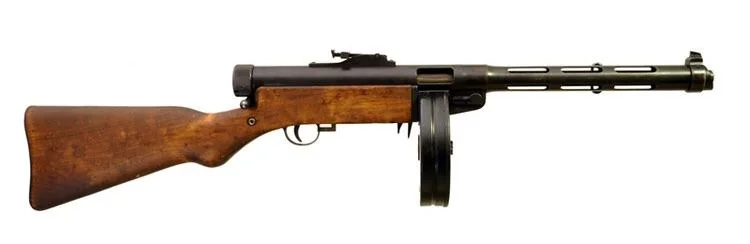
Suomi KP/-31
The Suomi KP/-31 was the Finnish Army's submachine gun in the Second World War. Designed by Aimo Lahti and made by the Tikkakoski company… Continued…
-
Swedish Military Mora Knife
The Mora knife is the plain Swedish sheath knife made in and around Mora, in the province of Dalarna, and it was the everyday knife of the… Continued…
-
Swedish Regimental Gun
The Swedish regimental gun was a light bronze cannon, usually a three-pounder, attached to each infantry regiment of Gustavus Adolphus's… Continued…
-
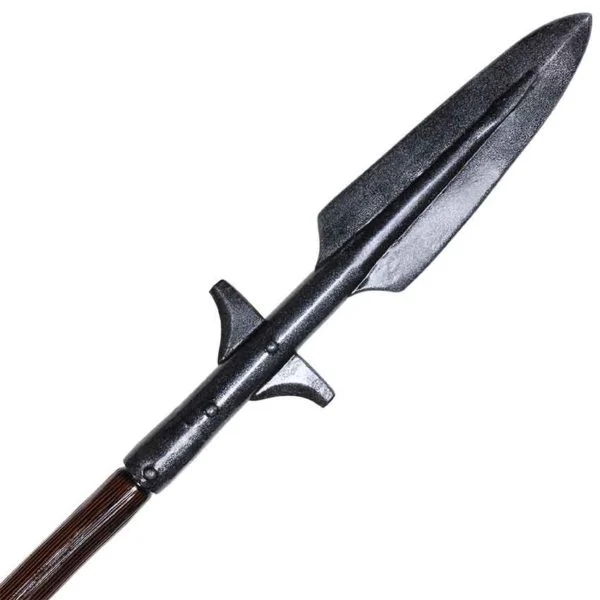
Viking Spear
The spear was the most common weapon of the Viking Age, carried by farmers and kings alike. It had an iron head, socketed onto an ash shaft… Continued…