Origin
Denmark
Denmark has a long martial history from Viking origins through modern times. Danish Vikings used axes, swords, and spears, while later Danish armies used European standard firearms. Denmark was the origin of the distinctive Danish axe that influenced medieval polearm design.
Overview
Denmark was a major Viking power and the seat of the North Sea Empire under Cnut the Great (r. 1016–1035). Danish Vikings raided and settled across Europe and were among the primary carriers of the axe-fighting tradition that defined Norse warfare.
Viking Era Weapons
- Danish axe (Dane axe / Breiðöx) — A large, thin-bladed two-handed axe with a dramatically flared cutting edge up to 45 cm wide; the signature Danish weapon; used with both hands or one hand with a shield on the back; capable of sweeping blows that could cut through shield and limb simultaneously
- Viking sword — Single-handed, pattern-welded; broad blade with wide fuller; Ulfberht swords (high-carbon crucible steel) appeared among Norse peoples in this period
- Spear — The primary weapon for most Viking warriors
- Round shield — Typically ~90 cm diameter; planked wood with iron boss
Medieval and Later
Denmark participated in Northern Crusades and maintained a significant naval tradition. Danish arquebusiers and cavalry served across European conflicts. The Krudttårnet (Gunpowder Tower) in Copenhagen reflects early Danish engagement with gunpowder technology.
In the 19th century, Denmark adopted the Gevær m/1867 Remington rolling block rifle, a solid and modern breech-loader. Danish troops in the Second Schleswig War (1864) fought against Prussian forces armed with the Dreyse needle gun, a significant technological disadvantage.
Modern Era
Denmark is a NATO member and uses standard NATO weapons including the M16/M4 pattern Diemaco C7/C8 (Canadian variant) and Heckler & Koch weapons.
This article is a stub.
-
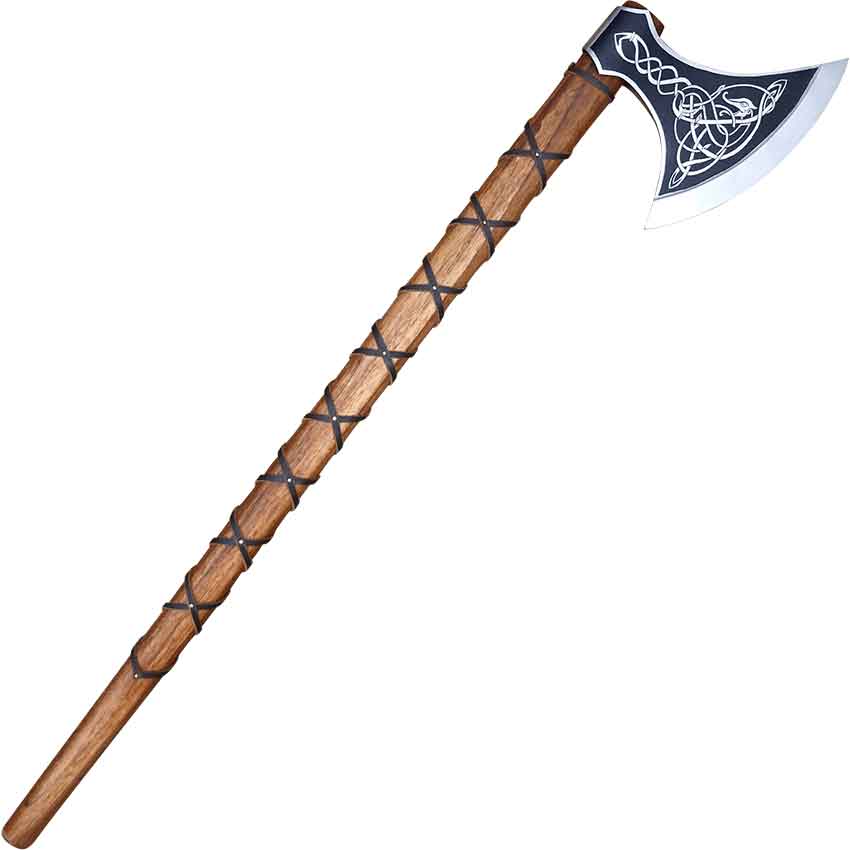
Dane Axe
The Dane axe is the great two-handed axe of the Viking Age and its aftermath: a thin, broad, crescent-edged head on a haft about a meter… Continued…
-
Holmegaard Bow
The Holmegaard bows are among the oldest complete bows in the world: self bows of elm, about 9,000 years old, recovered from the Holmegaard… Continued…
-
Krag-Jørgensen
The Krag-Jørgensen is a bolt-action rifle designed in Norway by Ole Krag and Erik Jørgensen and adopted by Denmark in 1889, the United… Continued…
-
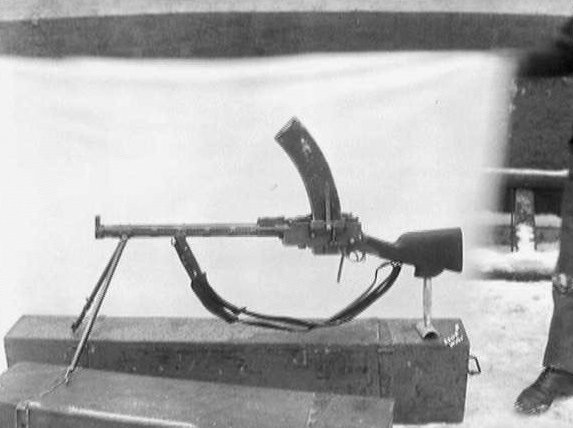
Madsen Machine Gun
The Madsen was a Danish light machine gun and the first weapon of its kind to be mass-produced, entering service in 1902. Light enough for… Continued…
-
Remington Rolling Block
The Remington rolling block was a single-shot breech-loading rifle made by E. Remington and Sons of Ilion, New York, from the mid-1860s.… Continued…
-
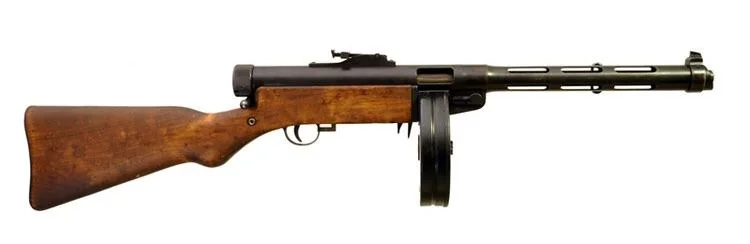
Suomi KP/-31
The Suomi KP/-31 was the Finnish Army's submachine gun in the Second World War. Designed by Aimo Lahti and made by the Tikkakoski company… Continued…
-
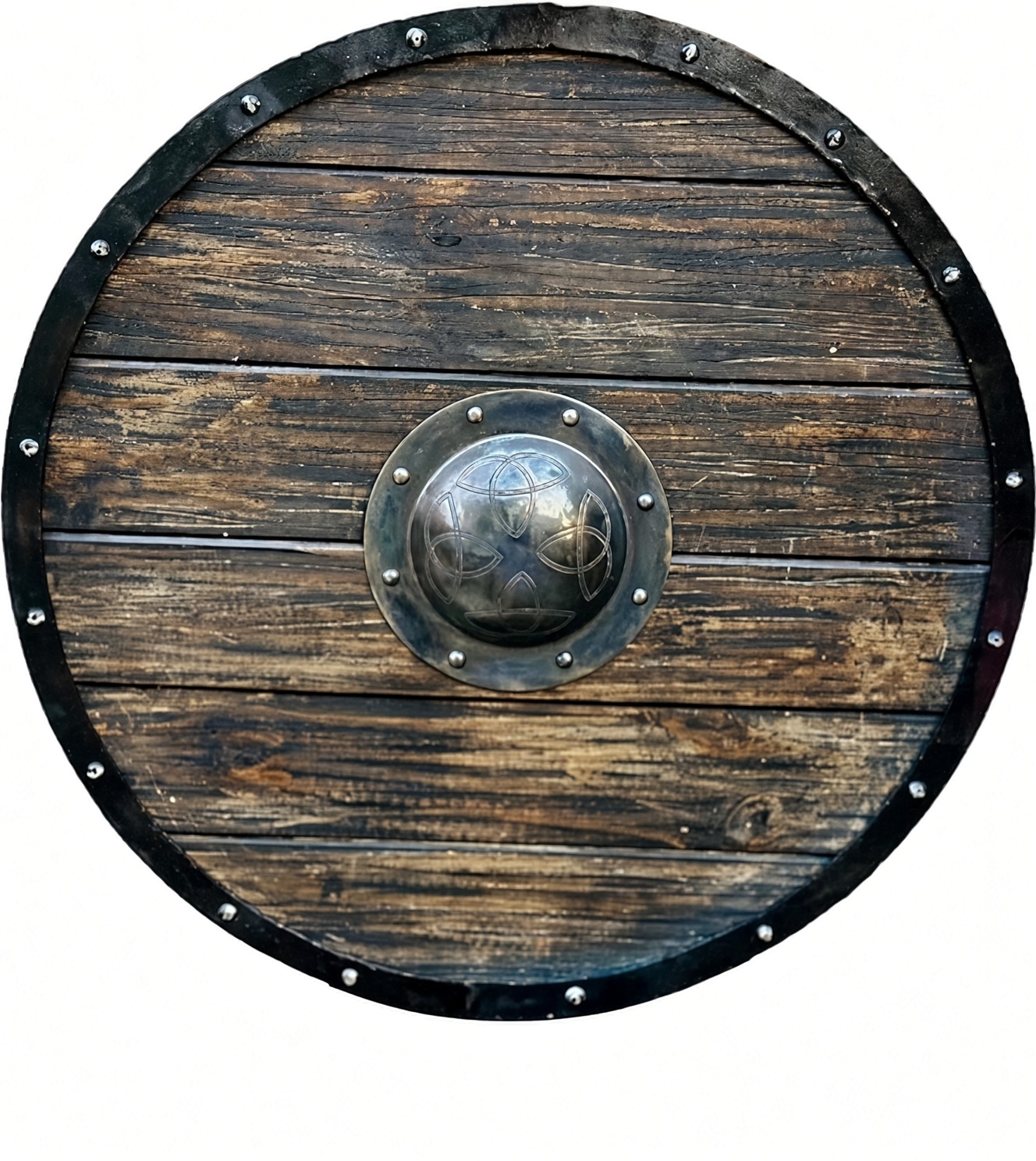
Viking Round Shield
The round shield was the main defense of the Viking warrior: a disc of wooden boards, usually about 80 to 95 centimeters across, with an… Continued…
-
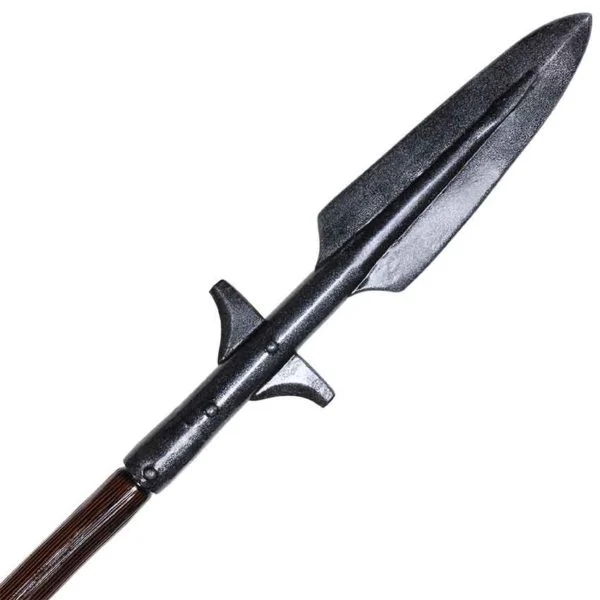
Viking Spear
The spear was the most common weapon of the Viking Age, carried by farmers and kings alike. It had an iron head, socketed onto an ash shaft… Continued…