Weapon Type
Edged Weapons
Weapons with a cutting or piercing blade.
Category Overview
Overview
Edged weapons — weapons whose primary mechanism of injury is a sharpened blade — represent the oldest and most diverse category of purpose-made human weapons. From the first knapped flint knives of the Stone Age to the combat knives issued to modern soldiers, the edged weapon has been a constant presence in human conflict for over 2.5 million years.
The category encompasses weapons optimized for different purposes:
- Cutting — Designed for slashing; typically curved or with a long single edge; sabers, falchions, scimitars
- Thrusting — Designed for penetrating; narrow, stiff blades with acute points; rapiers, estocs, bodkin daggers
- Chopping — Designed for heavy impact cutting; weight-forward geometry; axes, cleavers, falchions
- Dual-purpose — Balanced between cut and thrust; longswords, arming swords, most military knives
Major Subcategories
Swords
The sword — a blade longer than 30 cm with a handle — is the defining edged weapon of military history. See: Swords, Longswords, Broadswords, Sabers & Cutlasses, Rapiers, Falchions, Short Swords, Katana & Japanese.
Daggers & Knives
Short bladed weapons carried as sidearms, tools, or concealed weapons. See: Daggers & Knives.
Axes
Heavy chopping weapons combining a blade with a weighted head; among the oldest edged weapons. See: Axes.
Bayonets
Bladed attachments for firearms; transformed the musket into a spear. See: Bayonets.
Pole Weapons with Blades
Bladed heads on long hafts combining edge and reach — naginata, glaive, halberd. See: Pole Weapons, Halberds & Poleaxes, Spears & Lances.
Materials History
| Period | Material | Notes | |--------|----------|-------| | Stone Age | Flint, obsidian | Sharper than steel; brittle | | Bronze Age | Bronze | First reliable metal edge | | Iron Age | Iron, early steel | Widely available; progressively superior | | Medieval | High-carbon steel | Quenching and tempering refined | | Modern | High-alloy steel, ceramics | Corrosion-resistant; specialized alloys |
This article is a stub. Contributions covering specific weapon types, materials, and historical development are welcome.
Battles & Operations
-
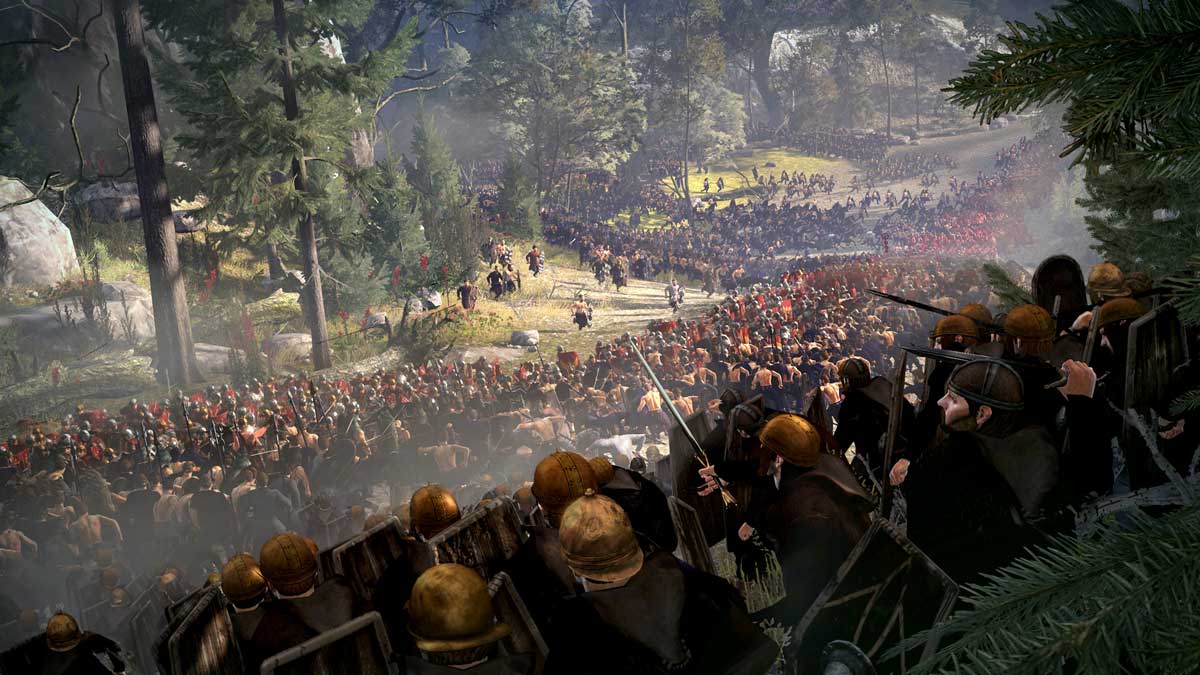
Battle of Teutoburg Forest (September 9 AD)
The Battle of the Teutoburg Forest was the destruction of three Roman legions — the XVII, XVIII and XIX — with their auxiliaries by an… Continued…
-
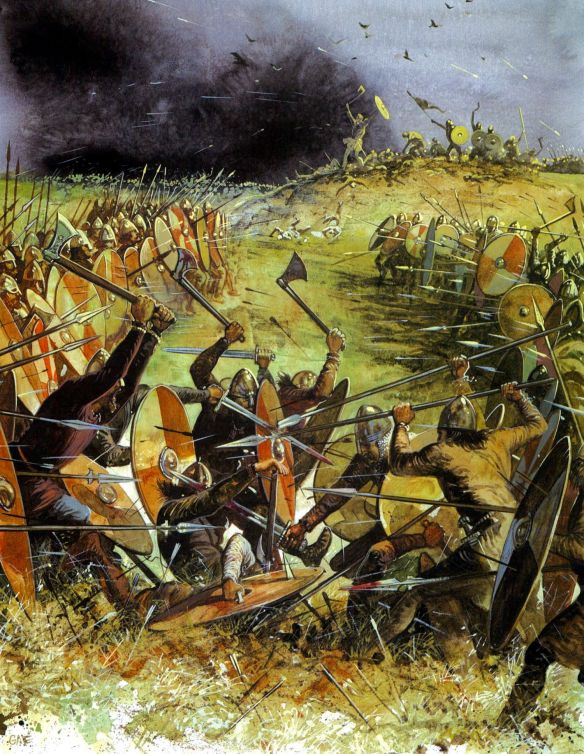
Battle of Maldon (10 August 991)
The Battle of Maldon, fought in August 991 on the Blackwater estuary near Maldon in Essex, pitted Byrhtnoth, ealdorman of Essex, and the… Continued…
-
Battle of Waterloo (18 June 1815)
The Battle of Waterloo, fought on Sunday 18 June 1815 near the village of Waterloo in present-day Belgium, ended the Napoleonic Wars.… Continued…
Weapons
-
1796 Heavy Cavalry Sword
The Pattern 1796 Heavy Cavalry Sword was the regulation sword of the British heavy cavalry from 1796 until 1821, including at Waterloo.… Continued…
-
1796 Light Cavalry Sabre
The Pattern 1796 Light Cavalry Sabre was the sword of Britain's light dragoons and hussars through the Napoleonic Wars, designed by John… Continued…
-
An XI Light Cavalry Sabre
The An XI light cavalry saber was the regulation sword of Napoleon's hussars and chasseurs à cheval. Adopted in Year XI of the French… Continued…
-
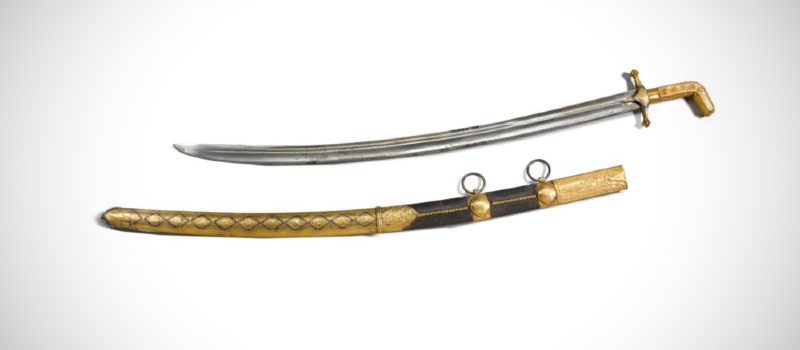
Arab Saif
The saif, from the Arabic word for sword, was the straight, double-edged sword carried by the Arab armies of the early Islamic conquests.… Continued…
-
Arming Sword
The arming sword was the one-handed, double-edged sword of the medieval knight, carried from the eleventh to the fifteenth century with a… Continued…
-
Aztec Macuahuitl
The macuahuitl was the standard close-combat weapon of the Aztec warrior: a flat hardwood club edged on both sides with rows of prismatic… Continued…
-
Boarding Axe
The boarding axe was the short-handled naval axe of the age of sail, with a cutting blade on one side and a spike on the other. It was a… Continued…
-
Boarding Cutlass
The cutlass was the sailor's sword of the Age of Sail: short, broad-bladed, and basket-guarded, built for the crowded chaos of a boarding… Continued…
-
Bolo Knife
The bolo is the broad-bladed working knife of the Philippines — wider toward the tip, weighted for the chop, the universal tool of field… Continued…
-
Bowie Knife
The Bowie knife is the great American fighting blade of the nineteenth century: a heavy sheath knife, typically with a clipped point and a… Continued…
-
Byzantine Spathion
The spathion was the straight, double-edged long sword of the Eastern Roman, or Byzantine, army — the direct descendant of the late Roman… Continued…
-
Celtic La Tène Sword
The La Tène sword was the iron sword of the Celtic peoples of Europe from about 450 BC until the Roman conquest, named after an… Continued…
-
Chinese Dao
The dao — the single-edged Chinese saber — was the standard sidearm of Chinese soldiers for the better part of two thousand years, honored… Continued…
-
Chinese Jian
The jian is the double-edged straight sword of China, in continuous use for more than two and a half thousand years. It began as a short… Continued…
-
Copper Age Axe
The copper axe was the first metal weapon and tool of prehistoric Europe, made in the Copper Age of the fourth and early third millennia… Continued…
-
Cossack Shashka
The shashka is the guardless saber of the Caucasus and the Cossacks — a slightly curved, single-edged blade carried edge-up in the scabbard… Continued…
-
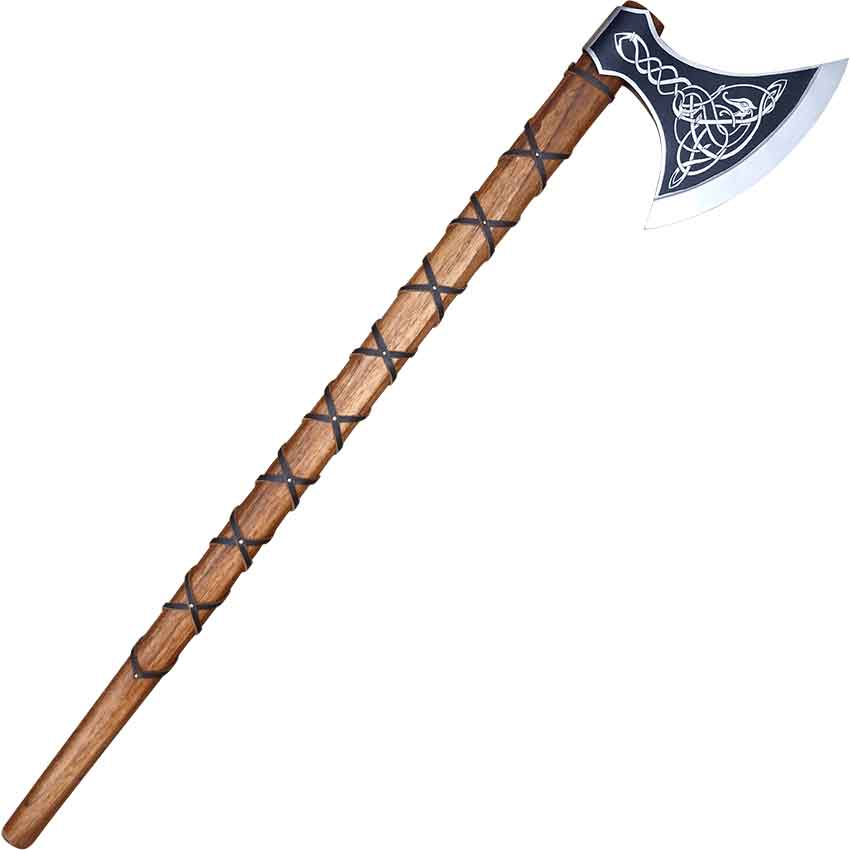
Dane Axe
The Dane axe is the great two-handed axe of the Viking Age and its aftermath: a thin, broad, crescent-edged head on a haft about a meter… Continued…
-
Egyptian Khopesh
The khopesh is the curved sickle-sword of Bronze Age Egypt, its blade sweeping into a crescent with the cutting edge on the OUTSIDE of the… Continued…
-
Ek Commando Knife
The Ek Commando knife is the private-purchase fighting knife of World War II America: hand-ground daggers and fighters from John Ek's… Continued…
-
Estoc
The estoc was a sword made to defeat plate armor: a long, stiff blade with no real cutting edge, triangular, square or diamond in section… Continued…
-
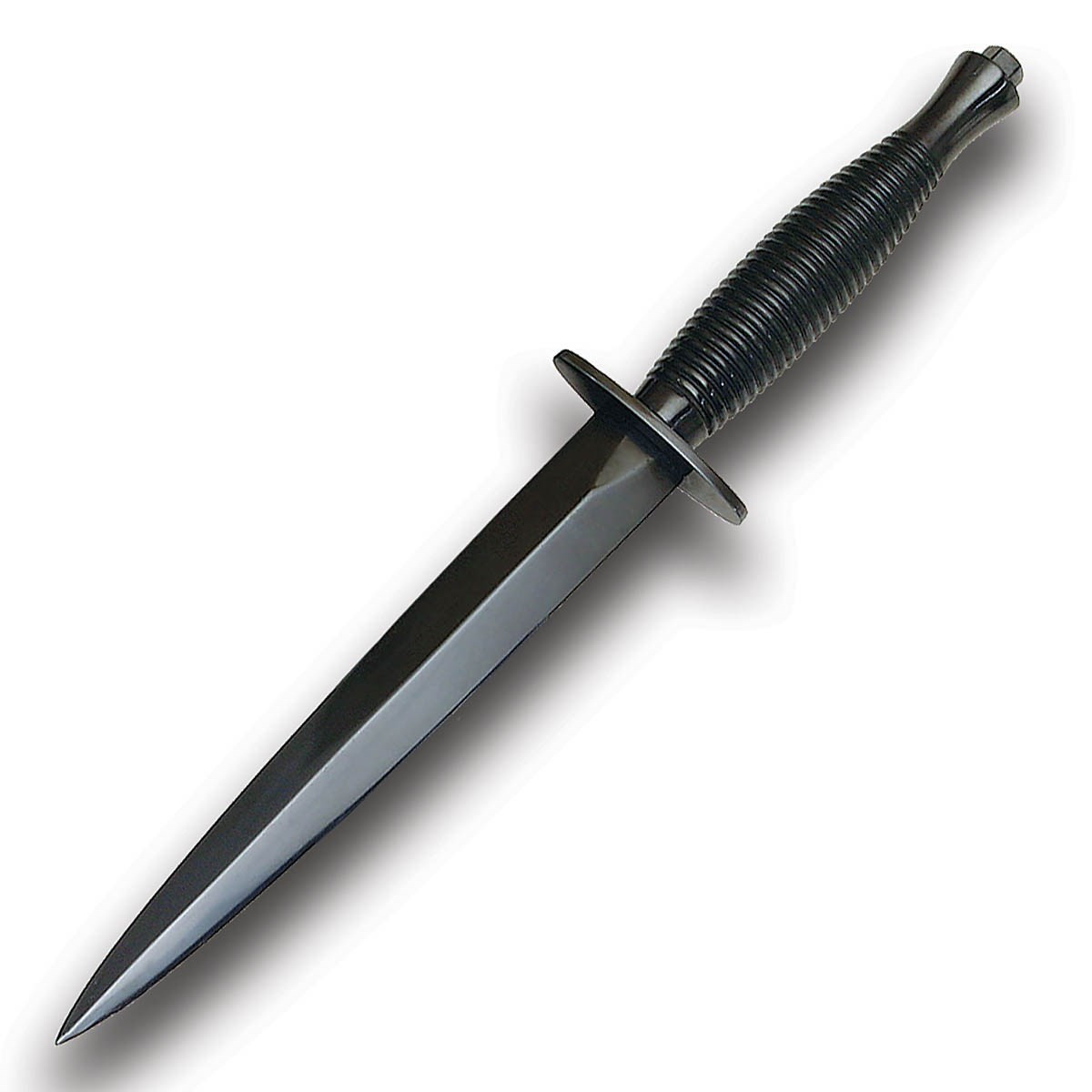
Fairbairn–Sykes Fighting Knife
The Fairbairn–Sykes Fighting Knife was a slim, double-edged dagger designed in 1940 by William Fairbairn and Eric Sykes, two former… Continued…
-
Falchion
The falchion was a single-edged medieval sword with a broad blade, heavier toward the point, that combined the chopping power of an axe… Continued…
-
Flint Hand Axe
The flint hand axe is the signature tool of the Acheulean tradition: a teardrop-shaped stone flaked on both faces to a sharp, symmetrical… Continued…
-
Frankish Francisca
The francisca is the throwing axe of the early Franks, the Germanic people who overran Roman Gaul in the fifth century and gave France its… Continued…
-
Greek Kopis
The kopis was the forward-curved, single-edged chopping sword of classical Greece. Its blade is concave near the hilt and swells toward the… Continued…
-
Greek Xiphos
The xiphos was the sidearm of the Greek hoplite: a double-edged, leaf-bladed short sword drawn when the spear — always the primary weapon … Continued…
-
Highland Dirk
The Highland dirk is the long, single-edged dagger of the Scottish Highlands, known in Gaelic as the biodag. It developed from the medieval… Continued…
-
Iberian Falcata
The falcata is the curved, single-edged sword of the Iberians of pre-Roman Spain, used from about the fifth to the first century BC. Its… Continued…
-
Indian Talwar
The talwar is the classic curved saber of the Indian subcontinent, the weapon of Mughal, Rajput, Maratha, and Sikh horsemen from the… Continued…
-
Infantry Hanger
The infantry hanger was the short, slightly curved sword carried by private soldiers and grenadiers of the British foot for much of the… Continued…
-
Jambiya
The jambiya is the curved, double-edged dagger of Arabia, worn at the front of the belt in a sheath with a sharply upturned tip. It is most… Continued…
-
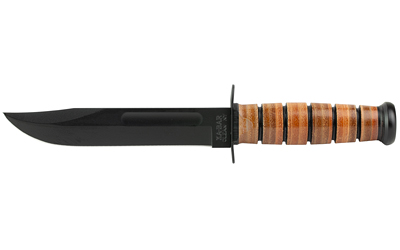
KA-BAR Knife
The KA-BAR is the fighting and utility knife of the United States Marine Corps: a seven-inch clip-point blade of carbon steel with a blood… Continued…
-
Kai Gunto
The kai gunto, 'navy military sword', was the sword of officers of the Imperial Japanese Navy from the late 1930s through the Second World… Continued…
-
Karambit
The karambit is the claw-shaped knife of the Malay world: a small, sharply curved blade from Sumatra and the surrounding archipelago, held… Continued…
-
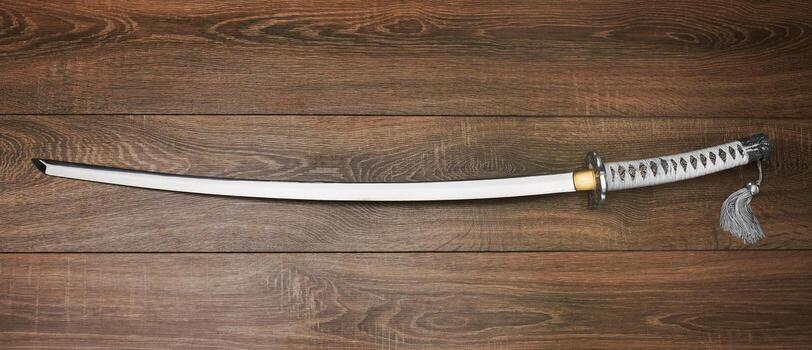
Katana
The katana is the curved, single-edged long sword of the samurai, worn edge-up through the sash and drawn in the same motion that cuts. Its… Continued…
-
Katar
The katar is the Indian push dagger: a short, broad, often triangular blade set at right angles to an H-shaped grip, so that the fighter… Continued…
-
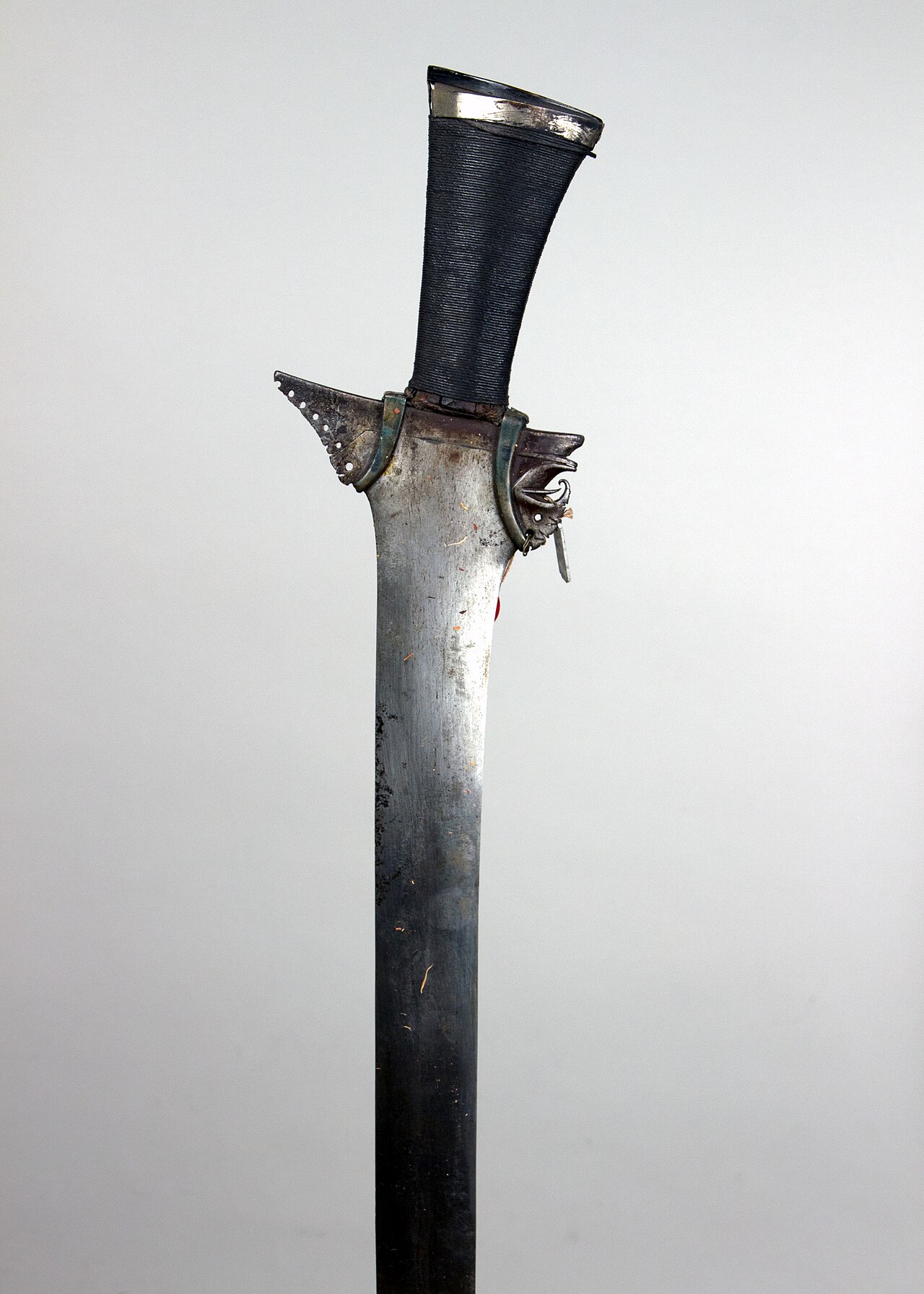
Keris
The keris is the asymmetrical dagger of the Malay world, at once a fighting weapon, a badge of rank, and a sacred heirloom. Recognizable by… Continued…
-
Klewang
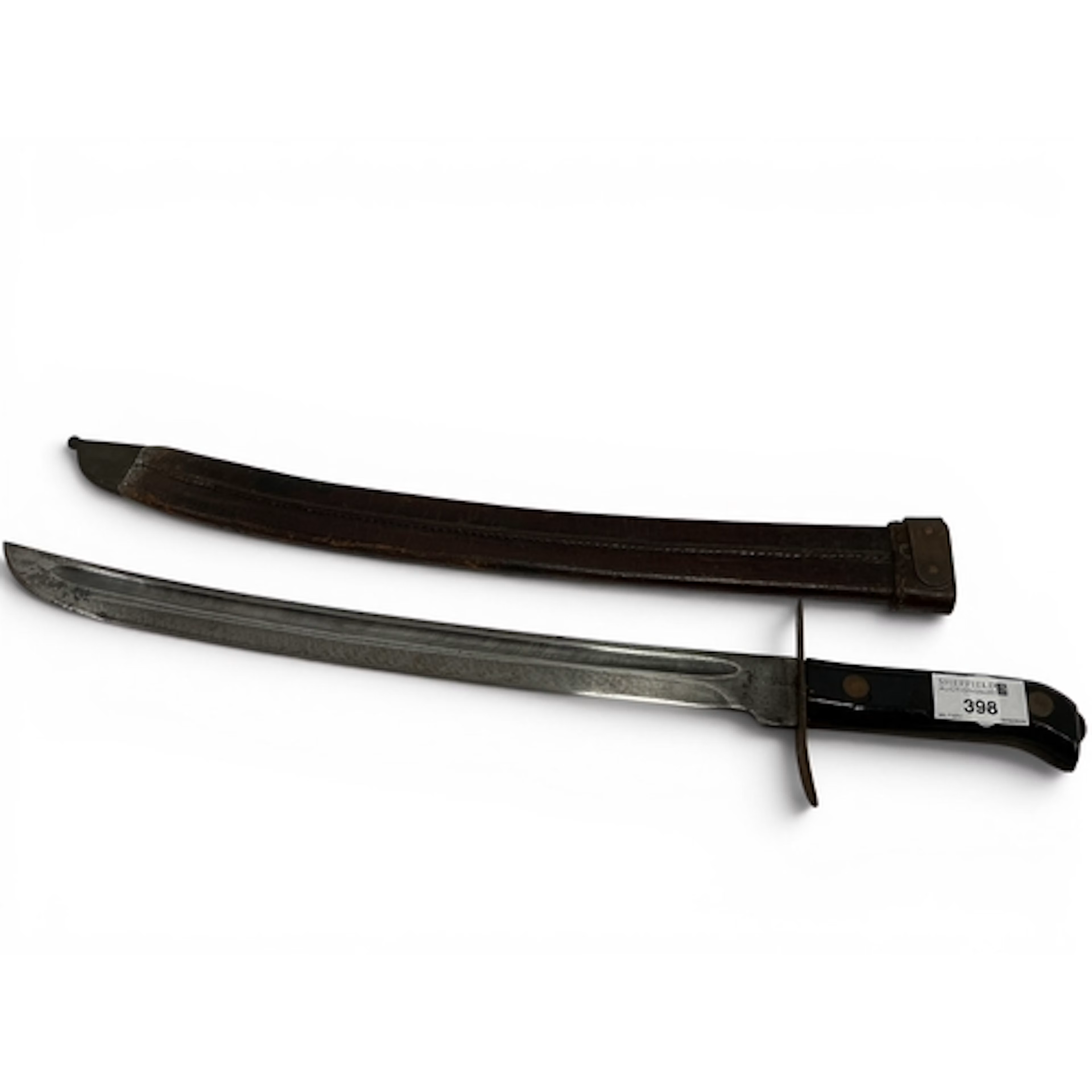
The klewang is a single-edged short sword from the Indonesian archipelago, and the name of the Dutch military weapon developed from it.… Continued…
-
Kukri
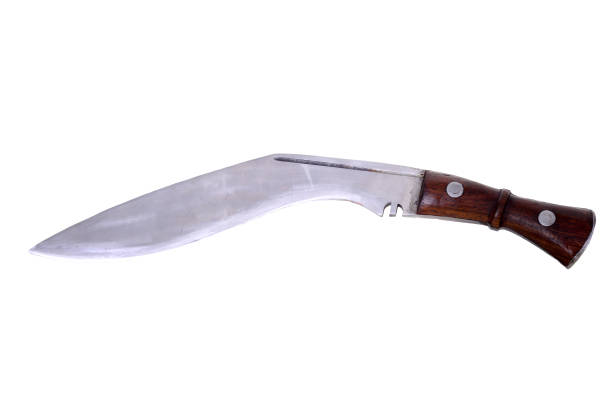
The kukri is the forward-curved knife of Nepal: a broad, downward-angled blade that concentrates a blow like a hatchet while handling like… Continued…
-
Landsknecht Zweihänder
The zweihänder was the great two-handed sword of the German Landsknecht mercenaries: up to 1.8 meters of steel with side rings, parrying… Continued…
-
Langes Messer
The Langes Messer, German for long knife, was a single-edged sword used in the German lands and Central Europe from the fourteenth to the… Continued…
-
Longsword
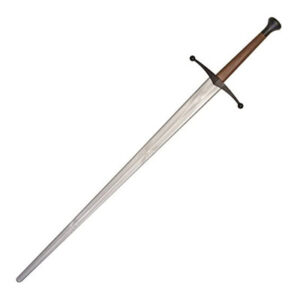
The longsword is the two-handed knightly sword of the late Middle Ages and Renaissance: a straight, double-edged blade of roughly 33 to 43… Continued…
-
Marine Raider Stiletto
The Marine Raider stiletto is the U.S. Marine Corps' copy of the British Fairbairn-Sykes fighting knife: a slim double-edged dagger… Continued…
-
Mark I Trench Knife
The Mark I trench knife of 1918 is the most recognizable close-combat weapon of the Great War: a double-edged dagger blade beneath a cast… Continued…
-
Model 1850 Foot Officer's Sword
The Model 1850 Foot Officer's Sword was the regulation sword of company-grade infantry officers of the United States Army from 1850 until… Continued…
-
Model 1860 Light Cavalry Saber
The Model 1860 Light Cavalry Saber was the standard edged weapon of the Union horseman: a curved, single-edged blade of about 35 inches in… Continued…
-
Naue II Sword
The Naue II sword is the most widespread sword type of the European Late Bronze Age: a leaf-shaped bronze blade cast in one piece with a… Continued…
-
Nodachi
The nodachi, or ōdachi, is an extra-long Japanese sword with a blade of three shaku (about 36 inches) or more, and often much longer. It… Continued…
-
Ottoman Kilij
The kilij is the curved saber of the Ottoman Turks, and the name — simply 'sword' in Turkish — covers a family of blades carried from the… Continued…
-
Ottoman Yatagan
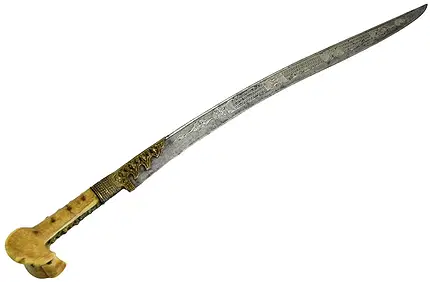
The yatagan is the signature short sword of the Ottoman world: a single-edged blade curving forward like the kopis and kukri family, a hilt… Continued…
-
Pappenheimer Rapier
The Pappenheimer is a type of rapier or heavy cut-and-thrust sword of about 1620-1650, recognized by the two large dished shells, usually… Continued…
-
Pattern 1907 Bayonet
The Pattern 1907 was the British Army's sword bayonet for the Short Magazine Lee-Enfield rifle through both world wars. Its 17-inch blade… Continued…
-
Persian Akinakes
The akinakes is the straight, double-edged short sword of the Achaemenid Persian Empire, borrowed from the Scythian horsemen of the steppe… Continued…
-
Persian Shamshir
The shamshir is Persia's deeply curved saber — the blade whose silhouette gave Europe the word 'scimitar.' Perfected under the Safavids, it… Continued…
-
Persian Tabar
The tabar is the war axe of Persia and the wider Islamic world, from the Middle East to Mughal India. The name is Persian for axe, and the… Continued…
-
Plug Bayonet
The plug bayonet was the first bayonet: a dagger with a tapered handle that was pushed into the muzzle of a musket, turning the gun into a… Continued…
-
Polish Szabla
The szabla is the curved saber of the Polish-Lithuanian Commonwealth, carried by the Polish nobility and cavalry from the sixteenth to the… Continued…
-
Puukko
The puukko is the traditional Finnish belt knife: a short, single-edged blade with a straight back, a plain handle usually made of birch… Continued…
-
Roman Gladius
The gladius was the short sword of the Roman legionary and the weapon that conquered the Mediterranean world. Adopted from Iberian patterns… Continued…
-
Roman Pugio
The pugio was the dagger of the Roman soldier, worn on the left hip opposite the gladius. Its broad, leaf-shaped double-edged blade, often… Continued…
-
Roman Spatha
The spatha was the long, straight, double-edged sword of the Roman Empire. First carried by auxiliary cavalry in the first century AD… Continued…
-
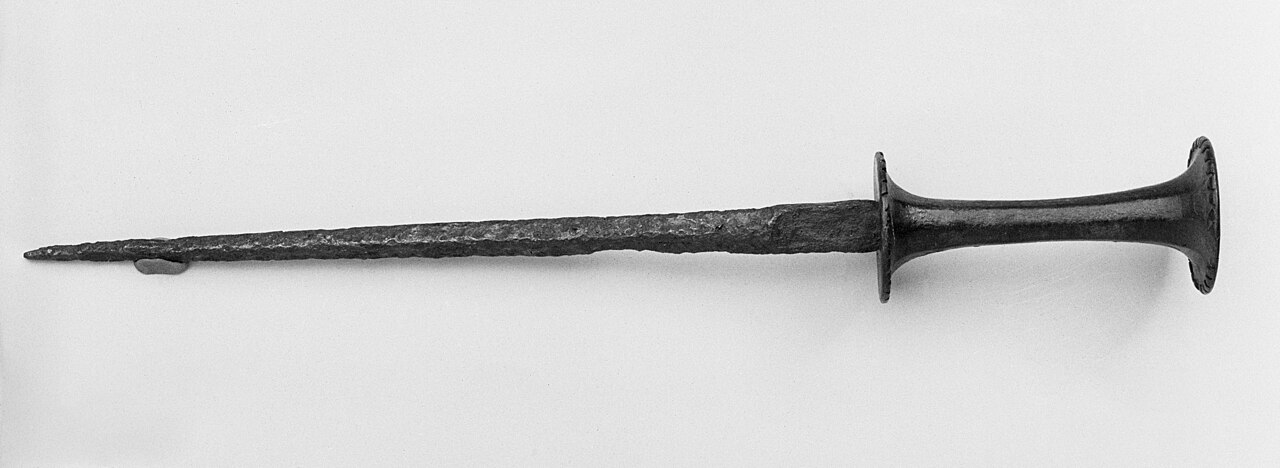
Rondel Dagger
The rondel dagger was the stiff, needle-pointed dagger of the late medieval knight, named for the disc-shaped guard and pommel that framed… Continued…
-
Scottish Claymore
Claymore — Gaelic claidheamh-mòr, 'great sword' — names the two-handed sword of the Highland clans of the fifteenth to seventeenth… Continued…
-
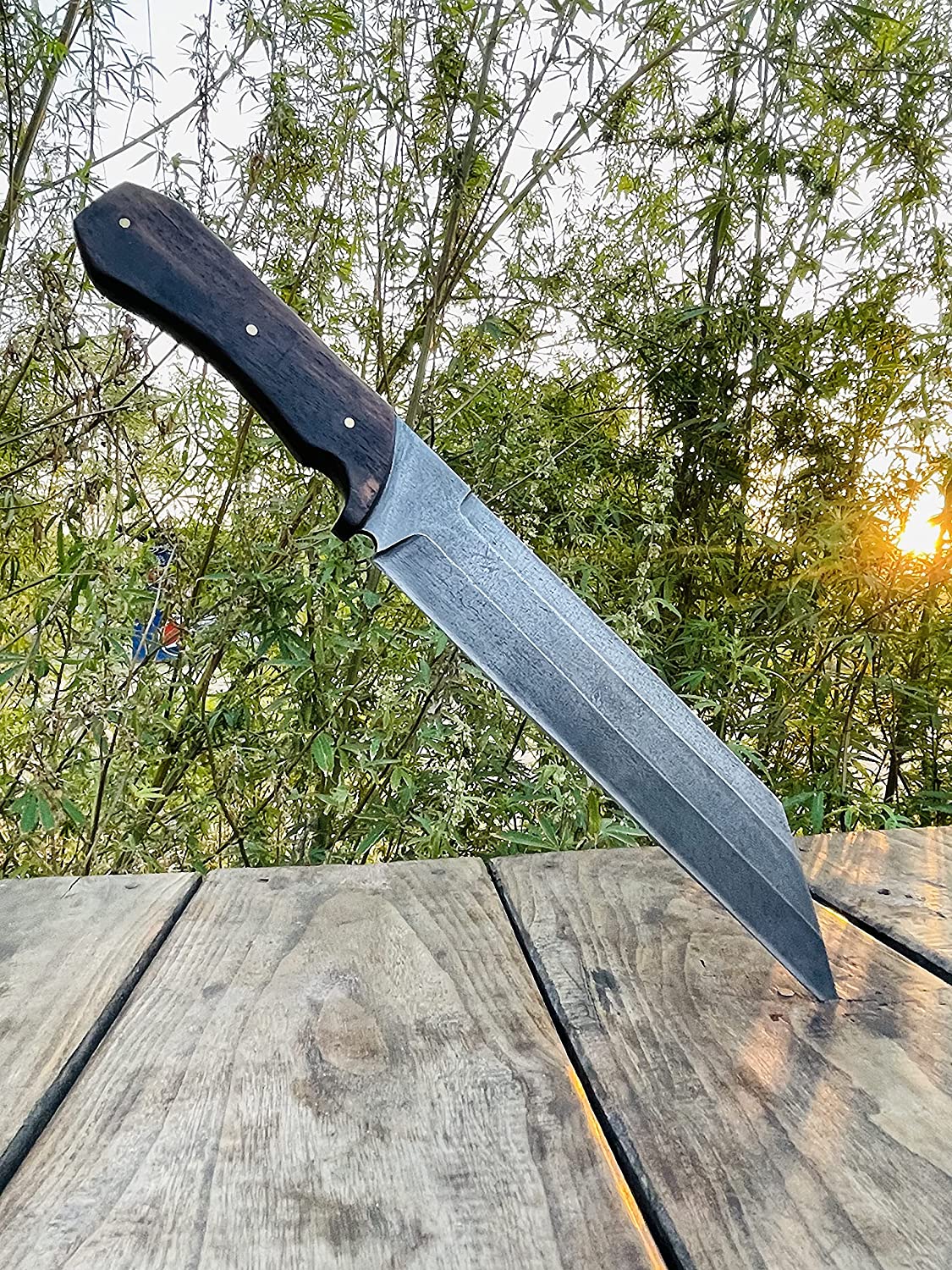
Seax
The seax is the single-edged knife of the early medieval Germanic peoples, carried from the fifth to the eleventh century by Franks… Continued…
-
Shotel
The shotel is the Ethiopian sword with a deeply curved, sickle-shaped blade, sharpened on both edges. Its curve was designed to reach… Continued…
-
Smallsword
The smallsword was the gentleman's sword of the late seventeenth and eighteenth centuries: a light, short thrusting sword, usually with a… Continued…
-
Socket Bayonet
The socket bayonet is a blade fixed to the side of a metal tube that slides over the muzzle of a musket and locks in place. Unlike the… Continued…
-
Spetsnaz Trench Shovel
The Russian small infantry spade, the MPL-50, is a short, all-steel-bladed entrenching tool of nineteenth-century design that became a… Continued…
-
Swedish Military Mora Knife
The Mora knife is the plain Swedish sheath knife made in and around Mora, in the province of Dalarna, and it was the everyday knife of the… Continued…
-
Swept-Hilt Rapier
The swept-hilt rapier was the civilian sword of the late Renaissance: a long, narrow thrusting blade defended by a basket of gracefully… Continued…
-
Tanto
The tanto is the dagger of the samurai: a single- or double-edged Japanese blade under thirty centimeters, forged, hardened, and polished… Continued…
-
Tomahawk
The tomahawk is the light axe of the North American frontier: an Algonquian name, a Native American weapon concept, and a European-forged… Continued…
-
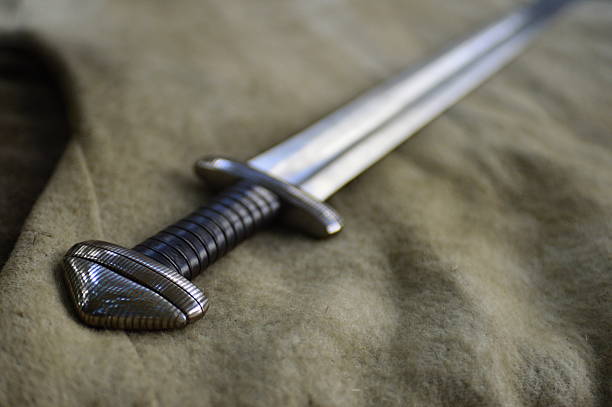
Ulfberht Sword
The Ulfberht swords are a group of about 170 early medieval sword blades inscribed with the name +VLFBERH+T, made between the ninth and… Continued…
-
Viking Battle Axe
The battle axe was the most distinctively Norse weapon of the Viking Age. From the one-handed bearded axe that doubled as a farm tool to… Continued…